UK Approves Jackdaw Gas Field In North Sea Despite Climate Concerns
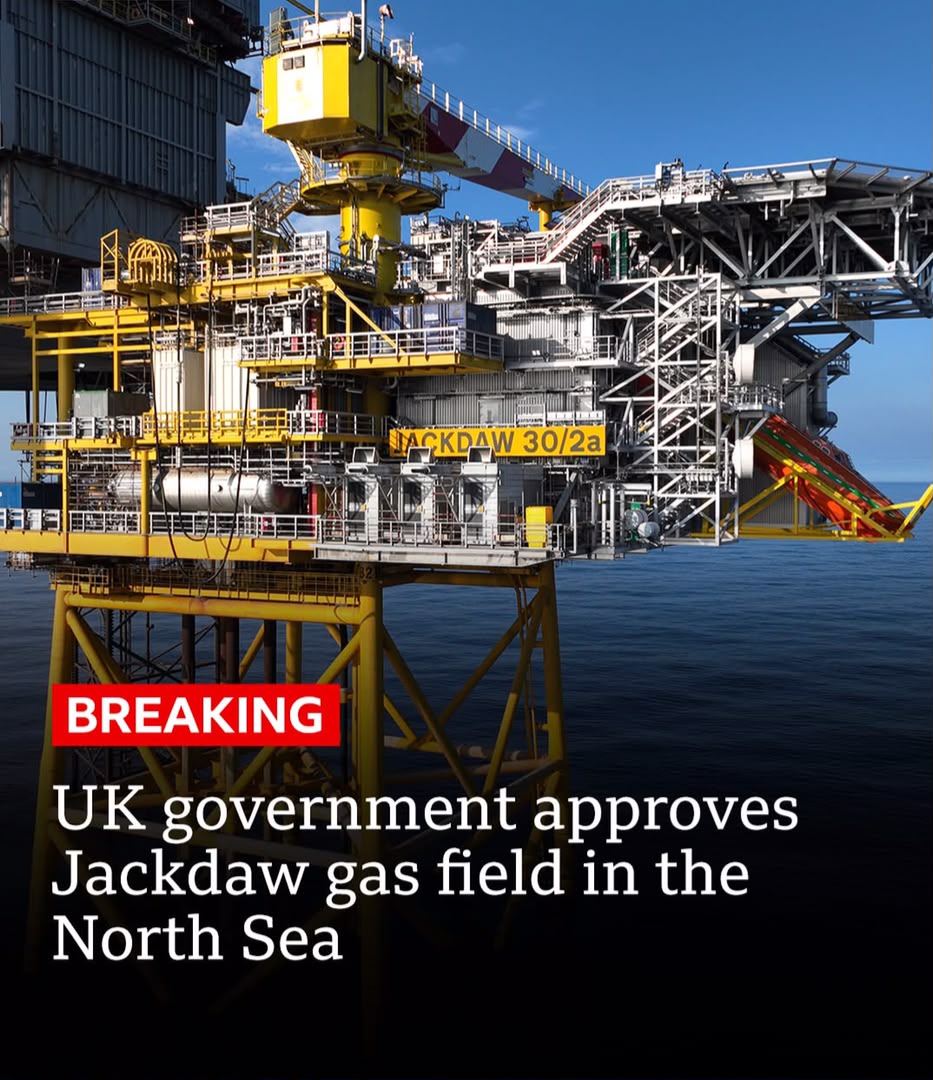
UK Approves Jackdaw Gas Field in North Sea Despite Climate Concerns The United Kingdom government has approved gas production at the controversial Jackdaw gas field in the North Sea, paving the way for the project to begin supplying British homes and businesses as early as the end of October. The decision, announced on Wednesday, October 21, follows years of legal challenges and debate over energy security, jobs and the environmental consequences of extracting and burning fossil fuels.Energy Secretary Miatta Fahnbulleh approved the project after reviewing its environmental implications and compatibility with the UK’s legally binding climate commitments. The government said the field could increase domestic gas production by approximately six per cent at peak output and operate for up to 11 years. The government said approving the project would help strengthen Britain’s energy security, reduce reliance on imported fuels and protect hundreds of jobs linked to the North Sea oil and gas industry. Prime Minister Andy Burnham welcomed the decision, arguing that Britain should responsibly utilise existing energy resources while continuing its transition towards renewable and nuclear power. The government also said the project would generate tax revenue and make use of existing infrastructure in the North Sea. However, the approval does not guarantee an immediate reduction in household energy bills. The Energy Secretary that gas from Jackdaw would not lower bills this winter. Jackdaw is operated by Adura, a joint venture involving Shell and Norway’s Equinor. The project was initially approved in 2022 but faced a setback following a 2024 court ruling that required the environmental consequences of burning extracted oil and gas to be considered as part of the approval process. The companies subsequently resubmitted their environmental applications, prompting a fresh assessment by the government and the relevant regulator. The North Sea Transition Authority has now granted consent for production, allowing the developer to proceed with the project following the necessary development work. The approval has drawn criticism from environmental campaigners who argue that expanding fossil fuel production risks undermining efforts to reduce greenhouse gas emissions. Green Party leader Zack Polanski described the decision as “climate vandalism”, arguing that the project could undermine the country’s climate ambitions. Critics have also questioned whether additional domestic gas production would deliver sufficient economic benefits to justify its environmental impact. The government, however, maintains that the project is compatible with the UK’s legally binding climate targets and its commitment to reach net-zero emissions by 2050. Alongside the approval, the government announced plans to establish an Energy Wealth Fund, with an initial £2 billion allocation to support renewable and low-carbon energy projects. The initiative is intended to channel revenues from oil and gas into the development of cleaner energy industries and help support the UK’s longer-term transition away from fossil fuels. The government said its approach would allow existing North Sea resources to contribute to the economy while investment continues in renewable energy and other low-carbon technologies. The Jackdaw decision highlights the challenge facing Britain as it attempts to balance energy affordability, domestic supply, employment and climate commitments. Supporters say the project will strengthen energy security and sustain jobs, while opponents argue that continued fossil fuel development risks prolonging dependence on carbon-intensive energy.