Nigerians Demand Relief, Not Mere Figures, As Economic Hardship Persists
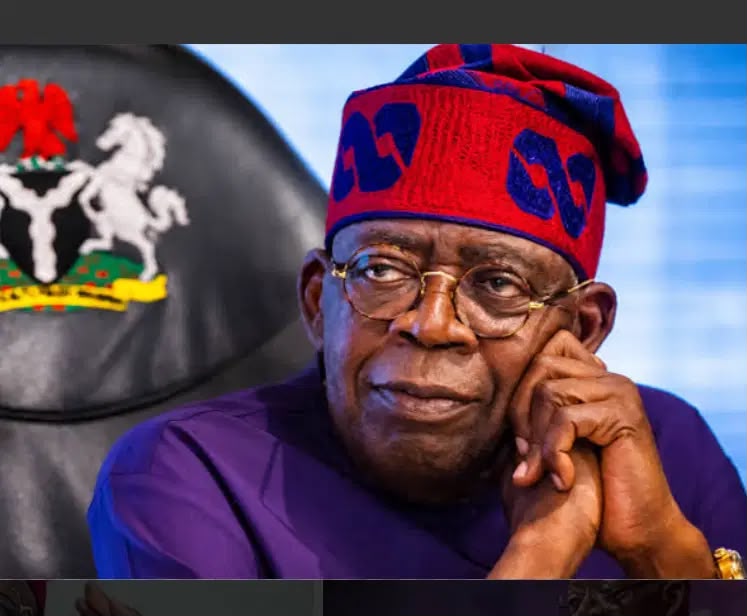
Nigerians Demand Relief, Not Mere Figures, as Economic Hardship Persists Nigerians are demanding tangible improvements in their living conditions despite signs of economic stabilisation under President Bola Tinubu’s administration, with rising living costs continuing to place pressure on households across the country.
In an editorial titled “Nigerians Demand Relief, Not Mere Figures, argued that although recent economic indicators suggest some progress, the benefits of government reforms have yet to translate into meaningful relief for many citizens. The editorial cited World Bank figures showing that Nigeria’s gross domestic product grew by 4.2 per cent in the first half of 2026, compared with 3.9 per cent in the corresponding period of the previous year. The bank also projected average economic growth of 4.4 per cent through 2028. However, the publication noted that renewed inflationary pressure, driven partly by higher fuel and transportation costs, continues to undermine household purchasing power. The Tinubu administration has implemented major economic measures, including the removal of the petrol subsidy, exchange-rate liberalisation and tax reforms, alongside changes to electricity subsidies. These policies have helped ease some fiscal pressures, improve foreign exchange conditions and increase government revenues. Nevertheless, the rising costs of transportation, food, electricity and other essential goods have left many Nigerians struggling to meet basic needs. The editorial observed that the depreciation of the naira has increased the cost of imported goods and production inputs, while wages have struggled to keep pace with rising living expenses. Consequently, many households continue to face difficult choices involving food, rent, healthcare and school fees. Vanguard argued that economic stability should serve as a foundation for broad-based prosperity rather than be treated as an achievement in itself. The newspaper also questioned the contrast between the sacrifices demanded of ordinary Nigerians and spending on government officials, including official vehicles, travel and other administrative expenses. It cited a June 2026 Federal High Court ruling concerning the National Assembly’s expenditure on sport utility vehicles and lawmakers’ support allowances as an example of the need for greater accountability in public spending. The editorial urged the Federal Government to publish an audited account of savings generated by economic reforms and explain how the funds have been utilised. It also called for expanded transport support, protection for basic electricity consumers and increased investment in food production, federal roads, healthcare and education. Additionally, the government was urged to reduce non-essential expenditure, strengthen procurement transparency and ensure that workers’ earnings better reflect the rising cost of living. The publication stressed that state governments must also demonstrate how increased revenues are being used to improve the welfare of their residents. According to the editorial, state authorities should prioritise vulnerable households and ensure that additional resources translate into better public services and targeted social protection. It further argued that political leaders must demonstrate greater sensitivity to the hardship experienced by citizens if public confidence in economic reforms is to improve. While acknowledging the positive signals in recent economic data, Vanguard maintained that growth figures alone cannot establish whether government policies are succeeding. The editorial emphasised that the real measure of economic progress should be reflected in affordable food, decent employment, reliable electricity, accessible healthcare and improved educational opportunities. It concluded that Nigerians would ultimately judge the administration’s economic performance by the extent to which reforms improve their everyday lives, rather than by official statistics and promises of future prosperity.