President Tinubu Receives United Nations’ Proposed $14bn Budget For 2027
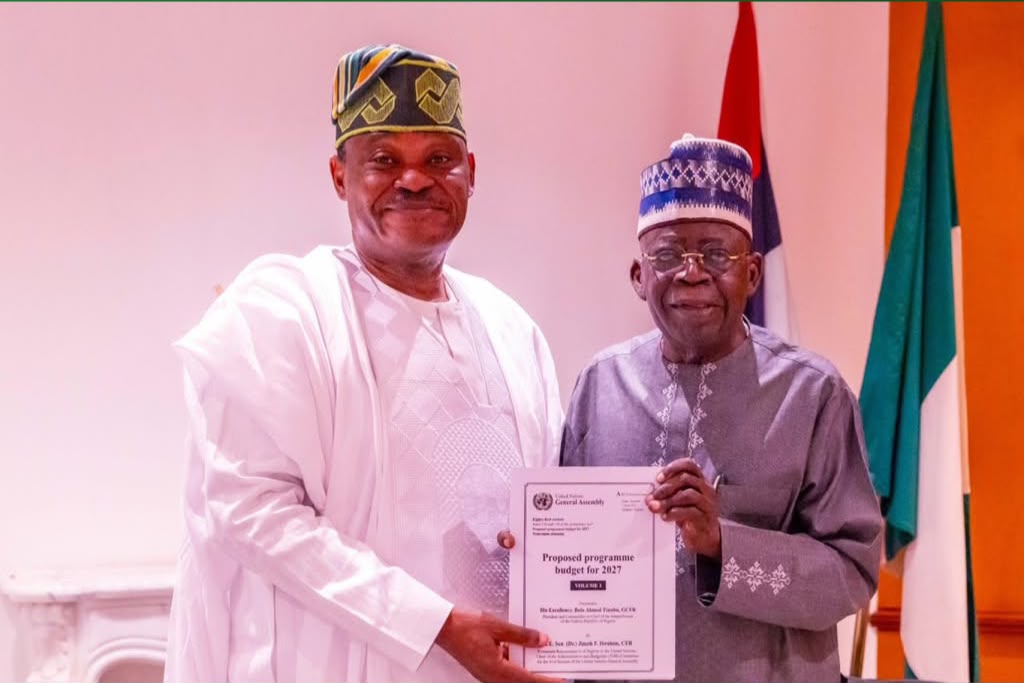
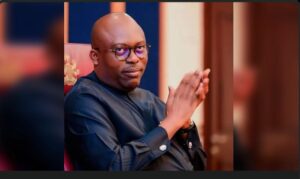
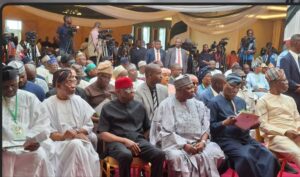
President Tinubu Receives United Nations’ Proposed $14bn Budget for 2027 President Bola Ahmed Tinubu has received the United Nations’ proposed budget for 2027, valued at approximately $14 billion, from Nigeria’s Permanent Representative to the UN, Ambassador Jimoh Ibrahim. The seven-volume budget document was presented to the President at the State House in Abuja on Sunday, October 18, following its submission by UN Secretary General António Guterres to the UN General Assembly’s Fifth Committee on Administrative and Budgetary Matters. Ibrahim, who chairs the committee, described the presentation as a historic milestone, noting that it was the first time in 66 years that Nigeria had chaired the committee responsible for the organisation’s budgetary and administrative affairs. Speaking after presenting the document, Ibrahim explained that he considered it appropriate to bring the proposed budget to Nigeria because the country is a member of the United Nations and currently leads the committee overseeing the organisation’s financial and administrative matters. He said Tinubu had become the first Nigerian president in 66 years to receive the proposed UN budget through this process. The committee plays a central role in reviewing the organisation’s financial requirements, administrative expenditure, staffing and resources needed to implement programmes approved by member states. Nigeria’s chairmanship therefore places its representative at the centre of discussions over how the global organisation finances its activities and peacekeeping operations. Ibrahim said the proposed budget included approximately $3.4 billion for the UN’s regular activities and about $8.5 billion for peacekeeping operations. He put the overall proposed expenditure at approximately $14 billion, equivalent to between ₦36 trillion and ₦40 trillion. The regular budget covers the organisation’s core operations, while peacekeeping expenditure supports missions deployed to help maintain or restore peace in areas affected by conflict. However, the figures cited for the regular and peacekeeping budgets add up to $11.9 billion, leaving a difference between those components and the stated overall estimate. Further clarification would be required to account for the discrepancy. Ibrahim also cited the construction of a UN conference centre in Kenya, estimated to cost about $260 million, as an example of the scale of the organisation’s expenditure and investment in facilities. The Nigerian envoy emphasised that the document presented to Tinubu was a proposal and had not received final approval. He explained that member states would scrutinise the estimates, negotiate adjustments and agree on the final budget before implementation and spending could begin. The Fifth Committee is responsible for examining budgetary and administrative matters and making recommendations to the General Assembly, which takes the final decisions on the UN budget. Consequently, the presentation to Tinubu does not mean the proposed expenditure has been approved or that the organisation has begun spending under the 2027 estimates. When asked what Nigeria stood to gain from the proposed budget, Ibrahim declined to provide specific details, explaining that discussions with other committee members were still ongoing. He did not identify any particular allocation or financial benefit that Nigeria would receive as a result of chairing the committee. The development nevertheless highlights Nigeria’s participation in the UN’s budgetary decision-making process at a time when member states are considering the resources required to support the organisation’s global responsibilities. The presentation provides Nigeria with a prominent role in the discussions surrounding the UN’s proposed spending plans for 2027. Through its chairmanship of the Fifth Committee, the country is involved in deliberations on funding, administrative efficiency, staffing and resources for peacekeeping and other UN activities. However, the practical implications for Nigeria will depend on the outcome of negotiations and the decisions ultimately adopted by member states. The proposed budget must still pass through the established review and approval process before it becomes the organisation’s final spending plan for 2027.