Alberta Rejects Independence Push As Mark Carney Says Voters Have Made ‘Clear Choice’
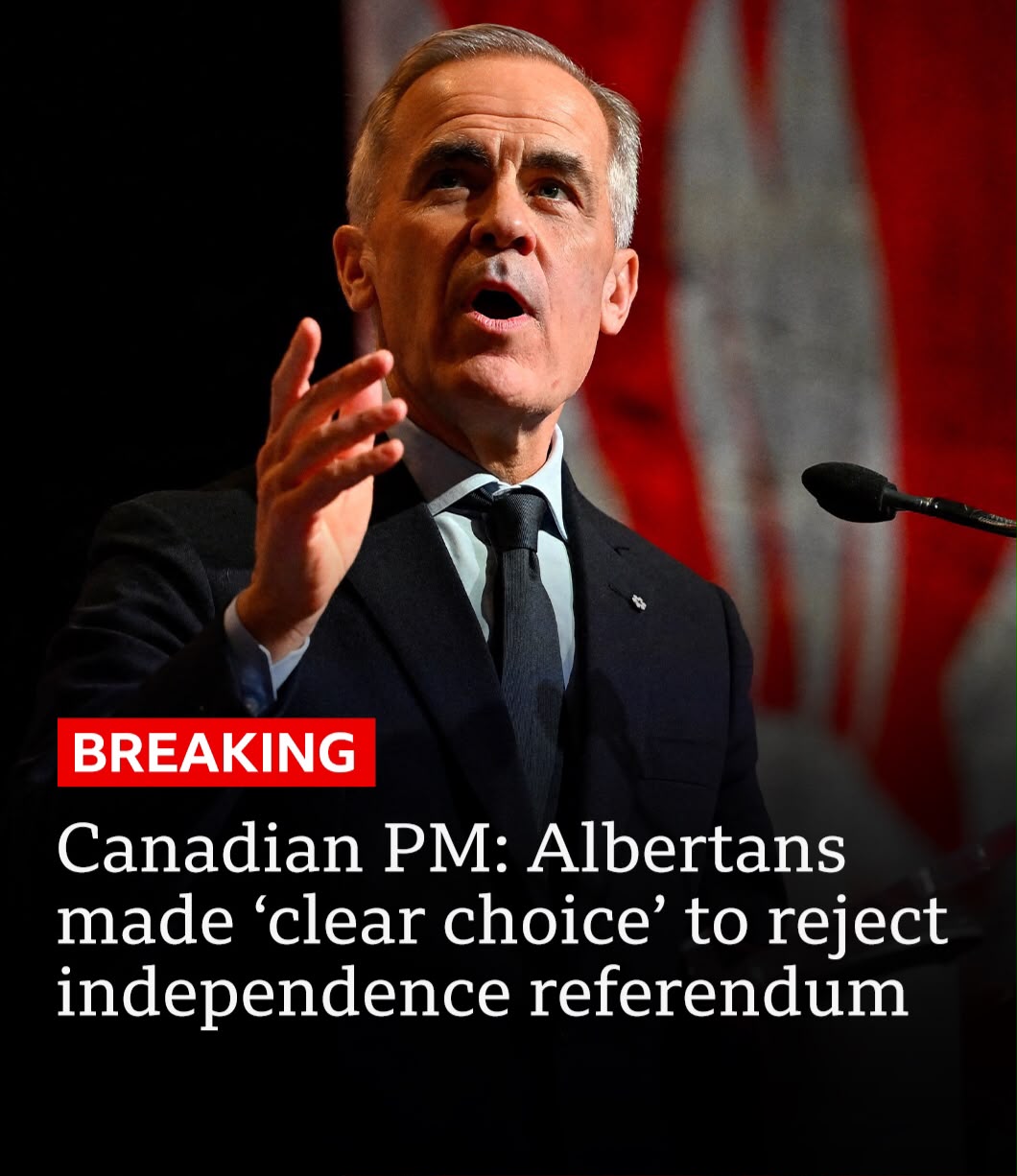
Alberta Rejects Independence Push as Mark Carney Says Voters Have Made ‘Clear Choice’ Canadian Prime Minister Mark Carney has welcomed Alberta voters’ decision to remain part of Canada, saying they have made a “clear choice” in favour of national unity after a referendum on whether the province should begin the process towards independence. Preliminary results from Monday’s vote showed that about 76 per cent of voters supported remaining in Canada, while approximately 24 per cent backed initiating a process that could lead to a future referendum on separation. The vote represents a significant development for Carney’s government as it seeks to strengthen national unity amid tensions over federal policies, the province’s oil industry and trade relations with the United States. In a statement following the announcement of the preliminary results, Carney said Albertans had chosen to remain part of Canada and called for greater cooperation between the federal government and the provincial administration. “Albertans made a clear choice,” the prime minister said, adding that voters had chosen unity and a shared future. Carney said the result provided an opportunity for Canadians to work together on economic development, infrastructure projects and efforts to diversify the country’s international trade relationships. The prime minister, who grew up in Alberta, has argued that the province’s energy resources and economic strength are important to Canada’s future. He has also sought closer cooperation with Alberta Premier Danielle Smith, including discussions on a proposed pipeline project intended to expand access to overseas energy markets.The referendum was not a direct vote on whether Alberta should immediately become an independent country. Instead, voters were asked whether the province should remain part of Canada or begin the legal process required to hold a future binding referendum on separation. A vote in favour of pursuing separation would therefore have opened another stage in a longer political and constitutional process rather than automatically making Alberta independent. The distinction is important because the result reflects voters’ decisions on whether to advance that process, rather than a final vote on independence itself. Alberta Premier Danielle Smith welcomed the preliminary outcome, saying it demonstrated broad support for keeping the province within Canada. Smith had called the referendum amid growing pressure from separatist supporters within her governing United Conservative Party, although she has publicly opposed independence. The premier has argued that Alberta can pursue greater provincial autonomy and address its grievances with Ottawa while remaining part of Canada. The referendum also included questions on other provincial policy issues, including immigration, access to provincial services and voter identification. Preliminary results indicated support for several of the proposed measures. Despite the result, advocates of Alberta independence have indicated that they do not intend to abandon their campaign. Separatist supporters have cited longstanding disagreements with the federal government over energy policy, resource development and the province’s financial contribution to Canada. Some argue that Alberta, one of the country’s major oil-producing provinces, would have greater control over its resources and economic decisions if it became independent. However, opponents of separation have warned that independence could create significant economic, legal and political uncertainty. The preliminary result suggests that while the separatist movement retains support among a section of the electorate, a larger share of voters chose to remain within Canada. The vote comes at a time when Canada is facing trade tensions with the United States under President Donald Trump. Carney’s government has emphasised the need to diversify Canadian exports and reduce dependence on its southern neighbour. Alberta’s oil and gas sector is central to those plans. A decision to pursue independence could have complicated discussions over energy infrastructure, trade arrangements, public finances and constitutional responsibilities. By rejecting the move towards separation, Alberta voters have given federal and provincial leaders an opportunity to focus on negotiations over the province’s demands while maintaining the existing constitutional framework. Nevertheless, the result does not automatically resolve disputes over energy policy, provincial autonomy or Alberta’s relationship with Ottawa Although the referendum result favours remaining in Canada, the independence question may continue to feature in Alberta politics. Separatist leaders have argued that the level of support for their position demonstrates persistent dissatisfaction with the federal government. Polling cited by Reuters before the vote also suggested that many Albertans expected the separatist movement to continue even if the proposal was defeated. For Carney, the immediate challenge will be to translate the result into closer cooperation with Alberta and address the grievances that helped drive calls for separation. For Alberta’s separatists, the outcome represents a setback to their effort to initiate a formal path towards independence, but their statements indicate that the campaign for greater autonomy is likely to remain part of the province’s political debate.