2027 ADC, Atiku Not Clear On What To Offer Nigerians Kwankwasiyya Spokesperson
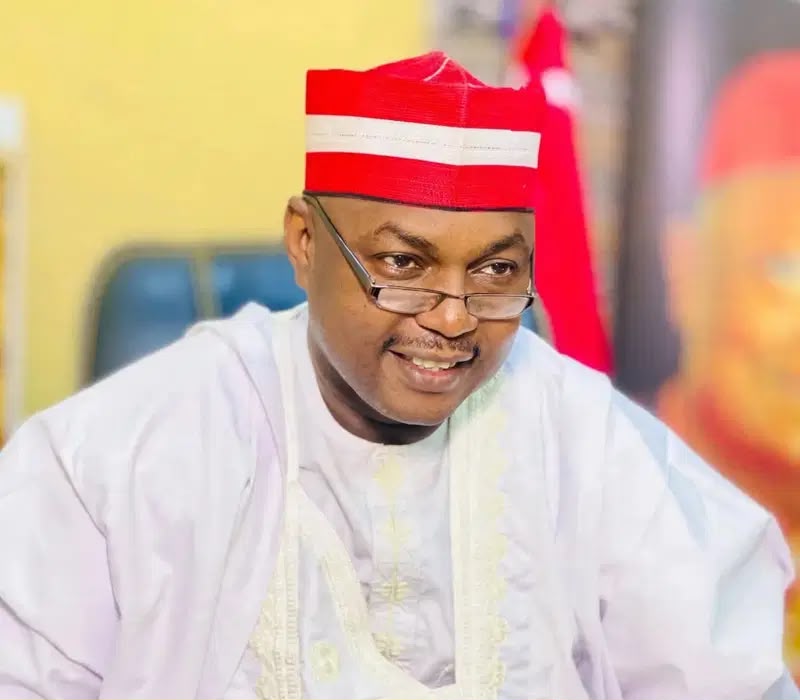
2027 ADC, Atiku Not Clear on What to Offer Nigerians Kwankwasiyya Spokesperson The Kwankwasiyya movement has accused the African Democratic Congress (ADC) and former Vice-President Atiku Abubakar of failing to clearly articulate what they intend to offer Nigerians ahead of the 2027 general elections. The movement’s spokesperson, Dr Habibu Sale Mohammed, made the allegation during an appearance on Daily Trust TV’s Day Break programme on Monday, while reacting to comments by the Nigeria Democratic Congress (NDC) vice-presidential candidate ruling out an alliance with the ADC. Mohammed argued that political parties seeking public support should focus on presenting their policies, ideas and leadership capabilities instead of blaming their electoral challenges on politicians who have declined to join them. He alleged that the ADC had relied heavily on the political influence of former Anambra State Governor Peter Obi and former Kano State Governor Rabiu Musa Kwankwaso to strengthen Atiku’s presidential ambition. According to him, the party should explain its plans for the country and convince voters that it offers a credible alternative to the ruling All Progressives Congress APC “The politics should be played, often presenting yourself, your ideas, your capacities and capabilities for Nigerians to make the right choice,” Mohammed said. The spokesperson claimed that the ADC had calculated that securing the support of Obi and Kwankwaso would improve Atiku’s chances in the 2027 presidential election. He argued that the party should not assume that the presence of prominent political figures would automatically make its presidential candidate attractive to voters. Mohammed said the ADC needed to demonstrate why Nigerians should support its candidate rather than depend on the political popularity of individuals who are no longer part of its proposed alliance. He also criticised what he described as attempts by the ADC to blame its political difficulties on Obi and Kwankwaso for choosing a different political platform. According to him, parties should take responsibility for their electoral prospects by presenting clear policies and convincing the electorate of their ability to govern effectively. Mohammed also faulted what he described as attempts to portray Kwankwaso as working for President Bola Tinubu. He alleged that some political actors were trying to convince Nigerians that Kwankwaso’s decision to work with Obi through the NDC was intended to benefit the President and the APC. The spokesperson rejected the allegation, maintaining that Kwankwaso and Obi had agreed to work together as political partners. He said their relationship was based on a shared understanding rather than a temporary arrangement designed solely to secure electoral advantages. Mohammed defended Kwankwaso’s right to speak publicly about the partnership, insisting that the former Kano governor was entitled to explain the political decisions he had made. The Kwankwasiyya spokesperson further alleged that Obi and Kwankwaso had previously been associated with the ADC but left because, in his view, the party failed to provide a level playing field for its political aspirants. He claimed that the party had increasingly become a platform for advancing Atiku’s presidential ambition rather than accommodating competing interests within the opposition. Mohammed argued that Nigerians deserved a credible political alternative and should not be forced to choose between candidates they considered undesirable. He maintained that the survival of democracy depended on political parties presenting clear programmes, credible leadership and practical solutions to the country’s challenges. The ADC had previously defended its presidential campaign, saying it intended to challenge the APC in 2027 with Atiku as its candidate and former Rivers State Governor Rotimi Amaechi as his running mate. The party has also outlined proposals addressing the cost of living, economic reforms, education, healthcare, agriculture and security. The comments come amid continuing political realignments among opposition figures preparing for the 2027 general elections. Atiku is seeking the presidency under the ADC, while Obi and Kwankwaso have aligned with the NDC, creating a significant shift in the opposition’s political calculations. The disagreement over a possible alliance reflects wider tensions among opposition leaders over candidate selection, party platforms and the strategy required to challenge Tinubu’s re-election bid. With political parties seeking to consolidate support ahead of the elections, the debate is increasingly focused on whether opposition groups can establish a united front or will contest separately. Mohammed insisted that the priority should be giving Nigerians a genuine choice through clear political programmes and credible leadership rather than relying on personalities or blaming rival political movements for electoral difficulties.