National Grid Crashes 81% To 675MW As Nine Power Plants Go Offline
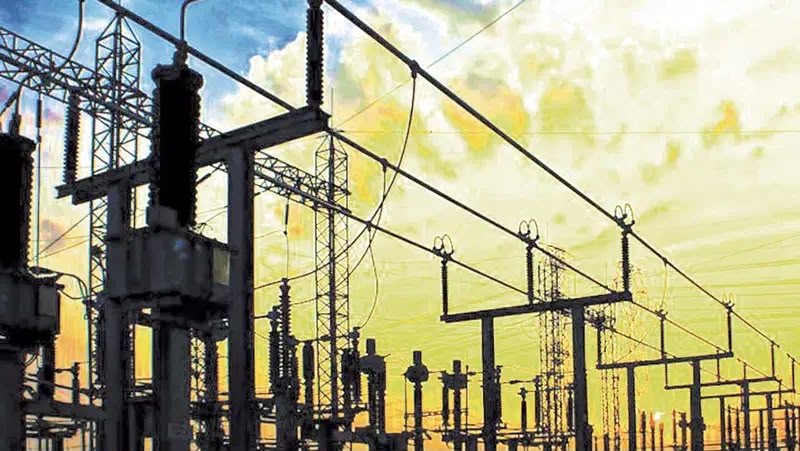
National Grid Crashes 81% to 675MW as Nine Power Plants Go Offline
Nigeria’s national electricity grid has suffered a major collapse in power generation, with available output plunging by 81 per cent to just 675 megawatts MW after nine power plants went offline. The development has heightened concerns over the country’s electricity supply, with households, businesses and industries facing the prospect of reduced power availability amid persistent challenges in the power sector. The sharp decline highlights the vulnerability of Nigeria’s electricity system to disruptions affecting generation, gas supply and the operation of thermal power plants. The outage of multiple generating stations has significantly reduced the volume of electricity available for transmission and distribution to consumers across the country. Data from the Nigerian Independent System Operator (NISO) showed that electricity generation stood at 3,647MW at noon on Monday, October 19, when 21 power plants were supplying the national grid. However, by 1 p.m., the number of plants supplying electricity had fallen to 12, while generation plunged to 675MW, representing a loss of 2,972MW within one hour.
Among the generating stations reported to have gone offline were Azura, Egbin, Jebba and Kainji hydroelectric power plants. The grid had recorded generation of 4,331MW at 1 a.m. and 4,458MW at 6 a.m. before output declined to 3,647MW at noon and subsequently dropped sharply. Electricity generation recovered to 2,150MW by 5 p.m., an improvement of 1,475MW from the afternoon low. However, the recovered output remained significantly below the morning peak. The disruption prompted electricity distribution companies, including Abuja Electricity Distribution Company AEDC and Ikeja Electric, to notify customers of reduced power supply. AEDC attributed the interruption to a challenge affecting the national grid, saying the Transmission Company of Nigeria TCN was working to restore stability. The company added that electricity supply was gradually being restored to its distribution feeders and assured customers that efforts were ongoing to improve supply across its franchise area. Ikeja Electric also reported a shortfall in the volume of electricity allocated to it from the national grid. The distribution company said it was engaging relevant stakeholders to improve available supply and would distribute the electricity received as efficiently and equitably as possible. In a subsequent statement, NISO said it had stabilised the national grid following multiple trippings on the 330-kilovolt transmission network at approximately 12:40 p.m. on October 19. The operator said it immediately implemented corrective measures in collaboration with TCN to stabilise the power system and restore normal operations. According to NISO, restoration efforts had been completed and the national grid had returned to normal operation. It clarified that the incident affected only a section of the grid, dismissing unverified reports suggesting a wider disruption. The latest incident has renewed concerns over the reliability of Nigeria’s electricity infrastructure, which continues to face challenges involving generation capacity, transmission limitations, gas supply and distribution constraints. Frequent reductions in grid output affect households and businesses that depend on public electricity, forcing many to rely on alternative sources such as petrol and diesel generators. Manufacturers and small businesses are particularly vulnerable to prolonged disruptions because of the additional costs associated with self-generation. The incident also underscores the importance of improving transmission infrastructure, maintaining generating stations and ensuring reliable fuel supply to power plants. Although the system operator announced that stability had been restored, the sharp decline in generation demonstrated how quickly electricity availability can deteriorate when several generating units disconnect from the grid.