WMO Warns Global Water Cycle Is Becoming Increasingly Unstable
WMO Warns Global Water Cycle Is Becoming Increasingly Unstable
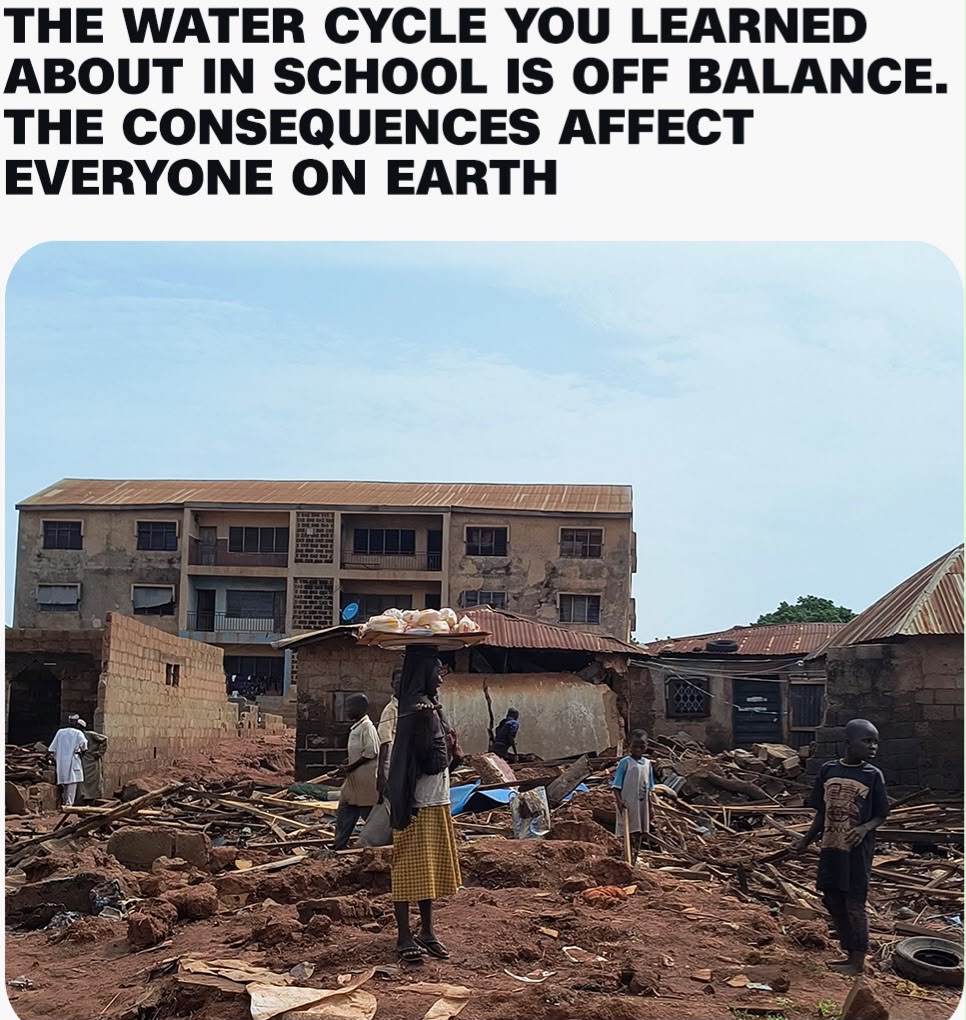
The Earth’s water cycle is becoming increasingly erratic as climate change and other human pressures disrupt the distribution and availability of freshwater around the world, according to the World Meteorological Organization’s latest assessment. The WMO’s State of Global Water Resources report found that 2025 was among the driest years for global rivers in more than three decades of monitoring, while some regions experienced excessive water and severe flooding. The contrasting conditions highlight an increasingly unpredictable cycle of droughts and floods. The report said global terrestrial water storage including groundwater, lakes, soil moisture, snow, ice and water held in vegetation has been declining since around 2014–2016. In 2025, about 42% of the world’s land area had below-normal freshwater reserves, compared with less than 20% in the early 2000s, according to the WMO. WMO Secretary-General Celeste Saulo warned that humanity is effectively drawing down a global freshwater “savings account”, reducing the reserves that provide a buffer during exceptionally dry periods. More than one-third of global river basins recorded below-normal flows in 2025, making it one of the driest years for rivers since WMO monitoring began. At the same time, all 19 major glacial regions recorded ice losses for the fourth consecutive year. The continued retreat of glaciers threatens long-term water supplies in communities that depend on seasonal meltwater. The changing pattern means some communities face shrinking rivers and depleted water supplies, while others experience intense rainfall, flash floods and destructive high-water events. Scientists say human-caused climate change is altering the water cycle by intensifying evaporation and changing rainfall patterns. Rising temperatures can increase the amount of moisture held in the atmosphere, contributing to heavier rainfall in some circumstances while increasing evaporation and worsening drought in others. The result is a more volatile pattern in which extreme wet and dry conditions can occur with greater frequency and severity. The WMO has warned that the continuing decline in freshwater storage has serious implications for water security, agriculture, ecosystems, energy production and communities around the world.