Galápagos Giant Tortoises Reveal Island-by-Island Evolution And A History Of Extinction
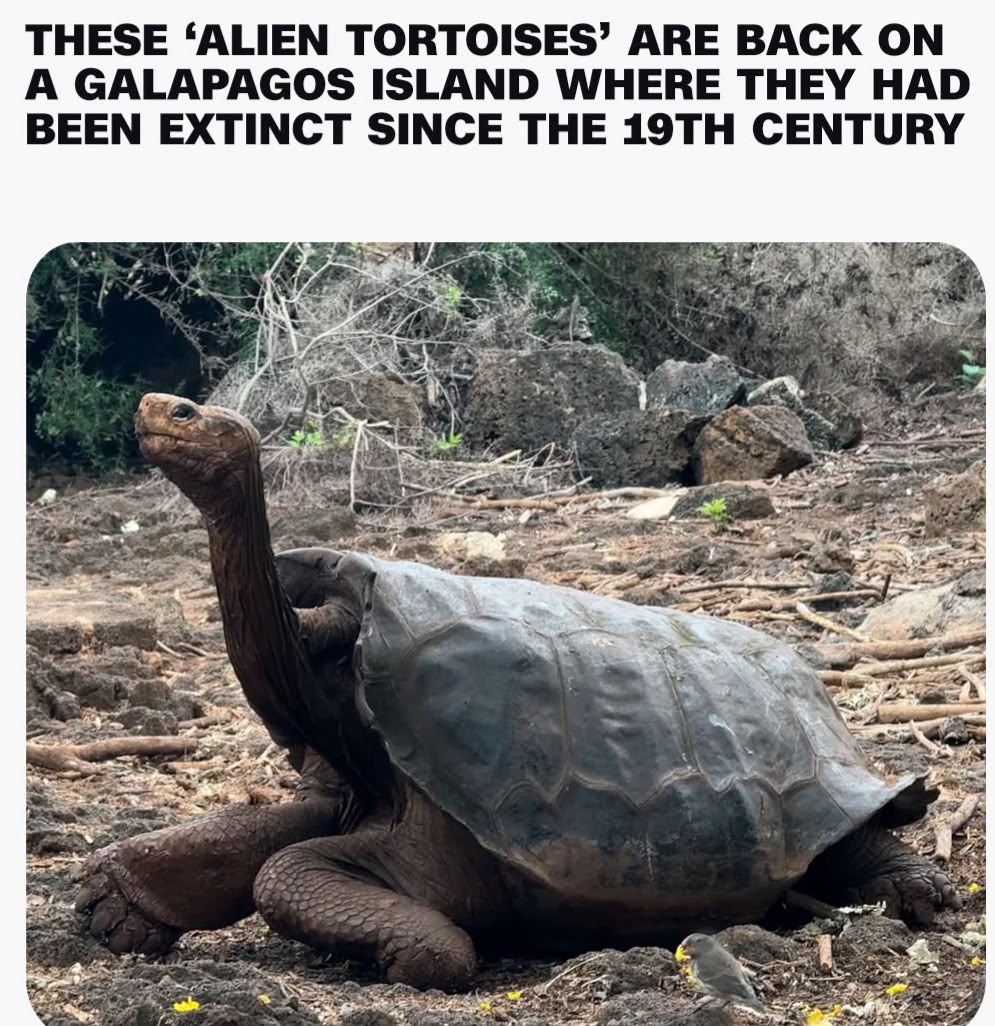
Galápagos Giant Tortoises Reveal Island-by-Island Evolution and a History of Extinction The giant tortoises of the Galápagos Islands are a remarkable example of evolution, with different populations adapting over generations to the unique environments of individual islands. Although commonly referred to as the Galápagos giant tortoise, the animals are divided into distinct island populations and lineages, many of which developed differences in body shape, shell structure and feeding habits. But the same isolation that helped create this extraordinary diversity also left some populations vulnerable to human activity. Galápagos tortoises evolved in different environments across the archipelago. On islands with humid highlands and abundant low vegetation, tortoises generally developed larger bodies and domed shells. On drier islands where vegetation was less accessible from the ground, some populations evolved saddleback-shaped shells and longer necks, allowing them to reach higher vegetation. These differences became an important part of the scientific story of the Galápagos and helped demonstrate how populations can adapt to their surroundings over long periods. For centuries, the giant tortoises were an easy source of fresh meat for sailors visiting the remote islands.Galápagos Conservancy estimates that sailors removed around 100,000 tortoises between 1774 and 1860, with the animals often being kept alive aboard ships because they could survive for long periods without food or water. The exploitation contributed to the extinction of three tortoise species or lineages. The Floreana tortoise was among the earliest casualties, disappearing around the middle of the 19th century after intense hunting and other pressures. Hunting was not the only danger. Animals introduced to the islands, including goats, pigs, rats, dogs, cats and other non-native species, altered habitats and disrupted the tortoises’ ability to survive and reproduce. On some islands, introduced species competed with tortoises for food or damaged their habitats, while rats posed a particular threat to young tortoises and eggs. The combination of human exploitation, habitat changes and invasive species caused dramatic population declines. One of the most remarkable developments in Galápagos conservation has been the discovery that genetic traces of an extinct tortoise population survived. Researchers discovered tortoises on Isabela Island carrying genetic ancestry from the extinct Floreana tortoise. Scientists believe some Floreana tortoises were transported to Isabela by sailors and subsequently bred with another tortoise population. That discovery has led to a breeding programme aimed at restoring the lost Floreana lineage. Hundreds of tortoises carrying the lineage have since been bred, with conservationists working toward eventually returning them to Floreana Island. The importance of the giant tortoises extends beyond their status as an iconic Galápagos species.Conservationists describe them as “ecosystem engineers” because their movements and feeding behaviour help shape vegetation, disperse seeds and influence the structure of island ecosystems. Their disappearance can therefore affect much more than the tortoise population itself. Restoring tortoise populations could help repair ecosystems that were changed after the animals disappeared. Modern conservation efforts have helped some Galápagos tortoise populations recover from historic declines.Breeding centres have produced young tortoises for release into protected areas, while conservation programmes have worked to remove invasive species and restore damaged habitats. The effort to recover the Floreana lineage represents an even more ambitious undertaking: using genetic information and carefully managed breeding to restore an extinct island lineage’s ecological role. The Galápagos giant tortoises remain one of the clearest examples of how isolation can drive evolutionary change. Their different forms reflect thousands of years of adaptation to separate island environments, while their history also demonstrates how quickly human activity can undermine that diversity. Today, conservationists are working not only to protect the tortoises that remain but also to restore populations and ecological roles that were lost generations ago. The story of the Galápagos tortoises is therefore both a warning about extinction and an example of how science and conservation can offer a second chance to species under threat.