São Paulo’s Hidden Coastline Offers A Journey Through Ancient Atlantic Forest
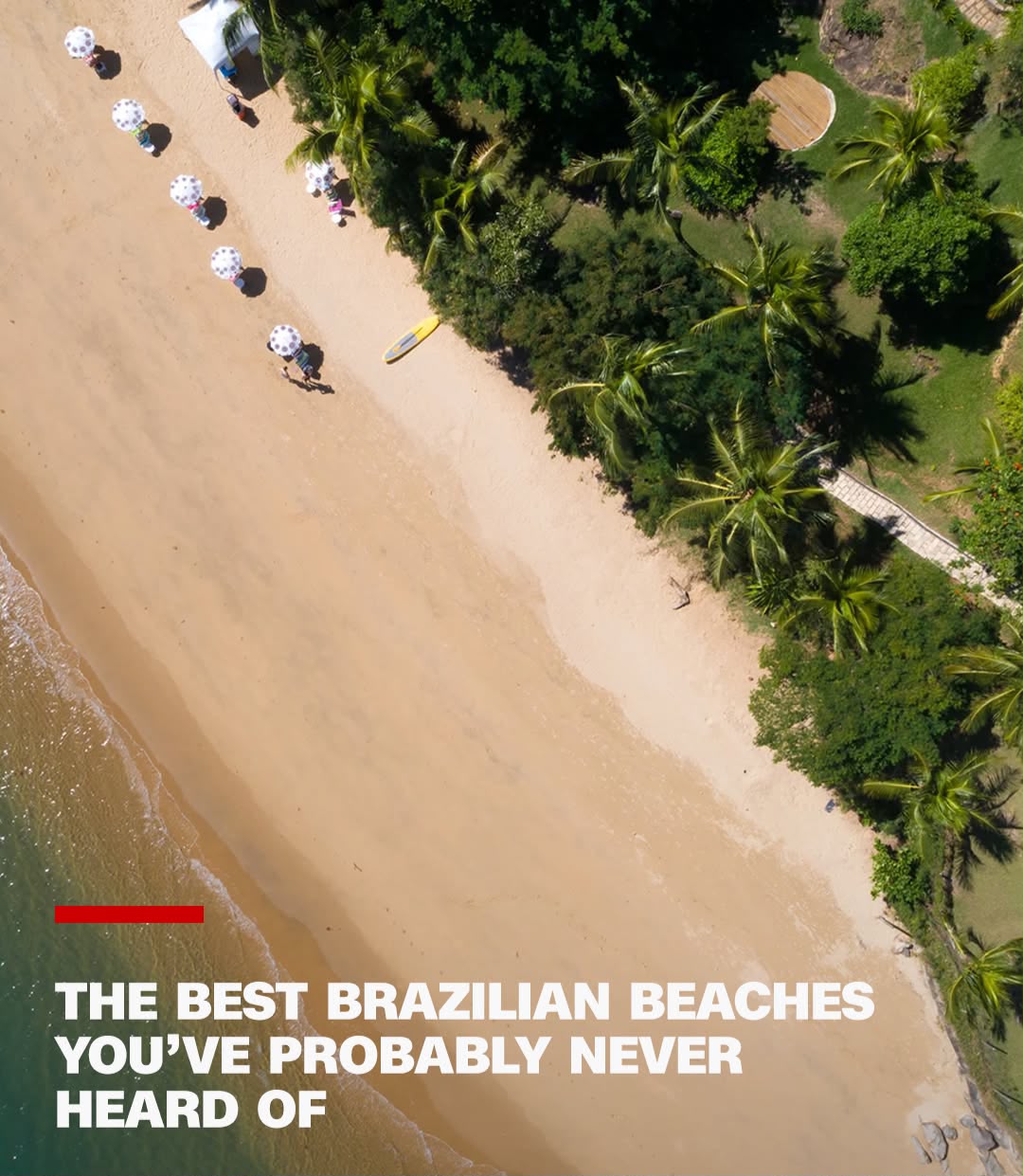
São Paulo’s Hidden Coastline Offers a Journey Through Ancient Atlantic Forest Beyond the sprawling edges of São Paulo, one of the world’s largest cities, lies a largely undiscovered stretch of rainforest-covered mountains and coastline that remains relatively unknown to international travellers. The roughly 370-mile coastline in Brazil’s São Paulo state is framed by the Atlantic Forest, known locally as Mata Atlântica, one of the most biologically diverse ecosystems in the Americas. The mountainous coastline offers a striking contrast to the densely populated urban centres associated with São Paulo. Much of the region remains covered by native forest, with lush vegetation extending from the mountains towards beaches and coastal communities. The Atlantic Forest is recognised as the second most biodiverse region in the Americas after the Amazon, making the São Paulo coastline an important habitat for a vast range of plant and animal species. The Mata Atlântica once covered a much larger portion of Brazil, but centuries of development, agriculture and urbanisation have dramatically reduced its original extent. The remaining forest along São Paulo’s coast provides an important refuge for wildlife while also protecting watersheds, mountains and coastal ecosystems. For international visitors, the coastline presents a side of São Paulo state that can feel far removed from the country’s major urban centres. Its combination of rainforest, mountains and relatively secluded beaches offers opportunities for travellers seeking nature and quieter destinations away from Brazil’s better known tourist routes. The region’s natural beauty is also drawing greater attention to the importance of preserving the remaining Atlantic Forest and the communities that depend on its ecosystems.