Four In Five Toddler Foods Sold In US Are Ultraprocessed, Study Finds
Four in Five Toddler Foods Sold in US Are Ultraprocessed, Study Finds
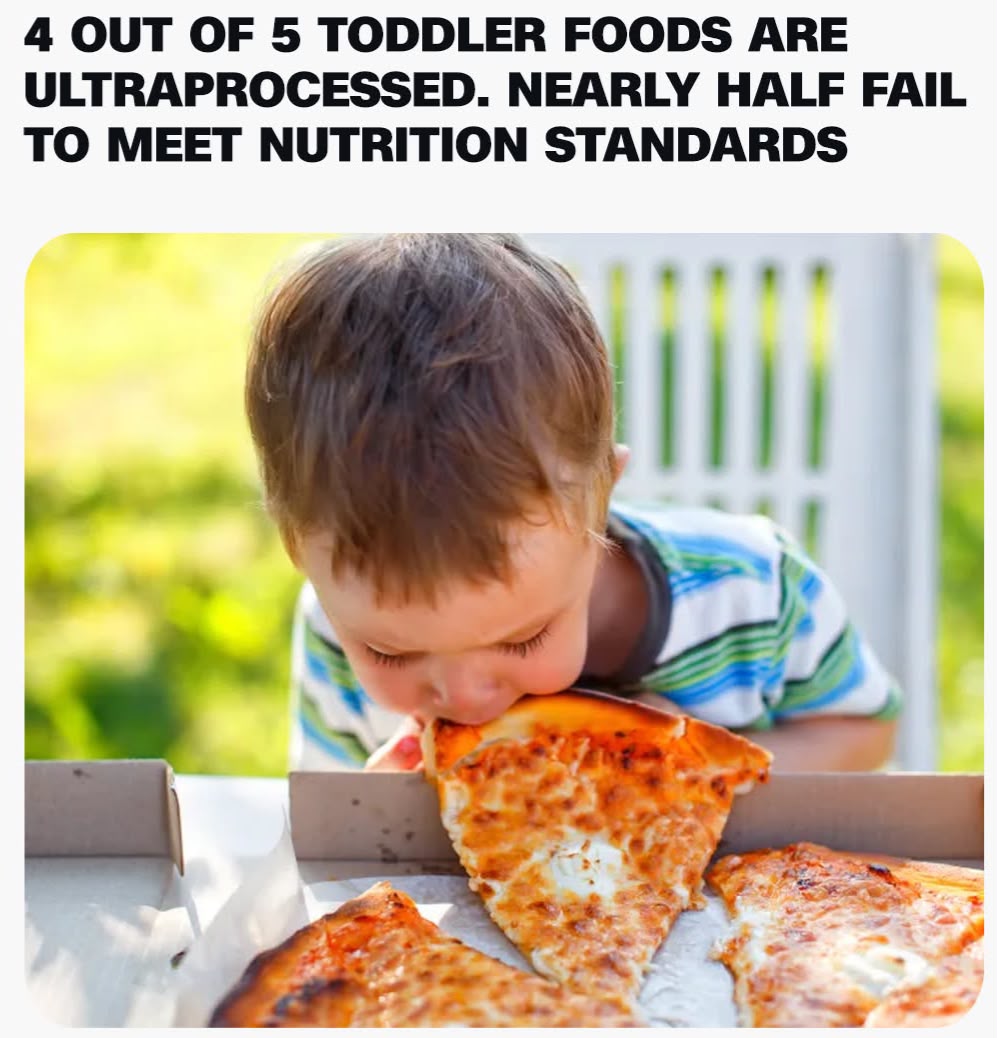
A new study has found that a large majority of foods marketed for toddlers in the United States are ultraprocessed, raising concerns among researchers about the nutritional quality of products designed for young children. The research, which examined more than 2,700 toddler food products available on grocery store shelves, found that about four out of five items were classified as ultraprocessed foods. Nearly half of the products also failed to meet at least one nutritional standard recommended for children by the World Health Organization WHO. Researchers said the findings highlight concerns about the growing presence of highly processed foods in the diets of toddlers, a period when children develop important eating habits and nutritional needs. Ultraprocessed foods are typically industrially manufactured products containing ingredients and additives not commonly found in home kitchens. They are often designed to improve taste, texture, shelf life or convenience, but may contain higher levels of added sugars, sodium and refined ingredients. The study found that many toddler food products promoted as convenient or suitable for young children did not align with recommended nutritional guidelines. Researchers warned that frequent consumption of such foods could affect children’s overall diet quality. Nutrition experts have encouraged parents and caregivers to focus on a variety of minimally processed foods, including fruits, vegetables, whole grains and other nutrient rich options, while carefully checking labels on packaged toddler foods. The researchers said clearer standards and improved product information could help families make healthier choices and encourage manufacturers to improve the nutritional value of foods marketed toward young children.