Nicaragua’s Ortega Moves To End Elections, Further Consolidating Power
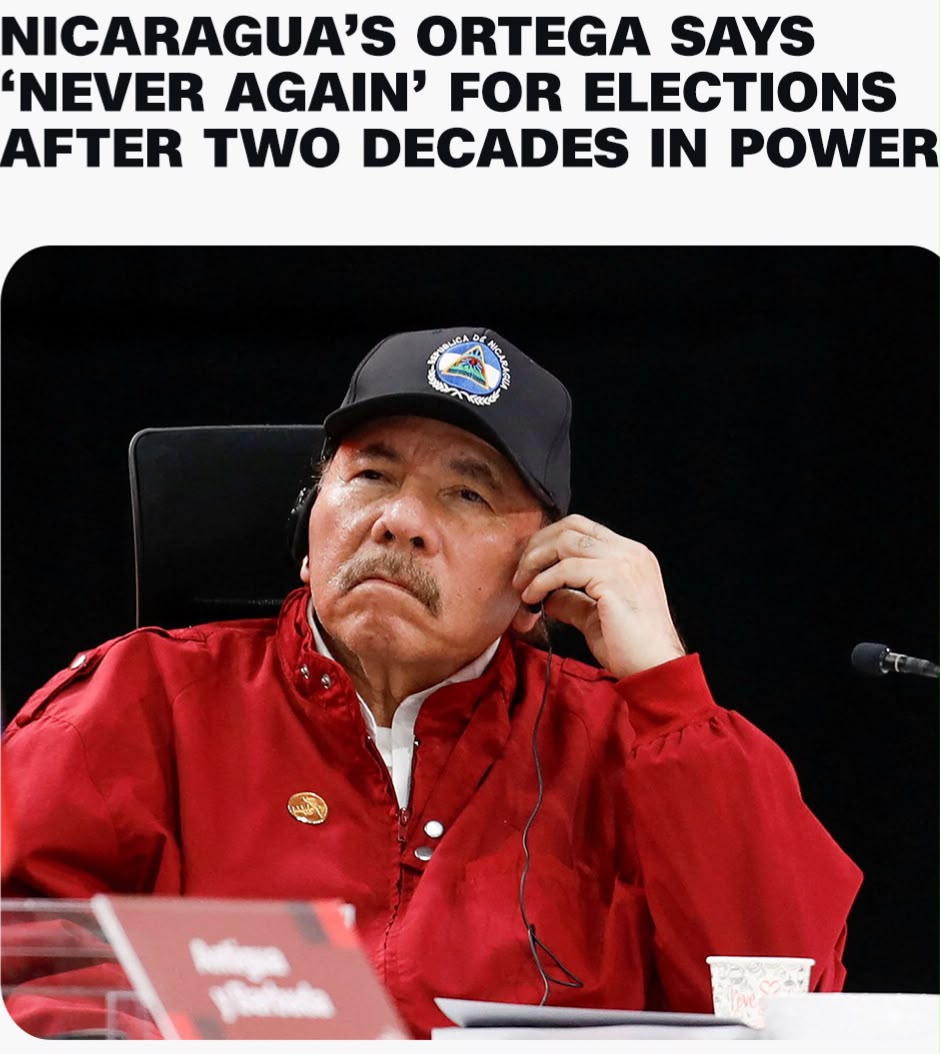
Nicaragua’s Ortega Moves to End Elections, Further Consolidating Power Nicaraguan President Daniel Ortega has announced that the country will no longer hold elections, a move critics say removes the possibility of a democratic challenge to his rule and further strengthens the political control he shares with his wife, Vice President Rosario Murillo. Ortega said the decision was part of changes to Nicaragua’s political system, effectively ending the country’s electoral process as previously structured. The announcement comes as Ortega’s current term approaches its end next year, raising concerns among opposition groups and international observers about the future of political participation in the country. The move represents another major step in Ortega and Murillo’s consolidation of power after years of restricting opposition activity, increasing government control over institutions and limiting independent media and civil society organisations. Ortega, a former leader of the Sandinista revolution, returned to power in 2007 after previously serving as president in the 1980s. His government has faced international criticism over allegations of human rights abuses, suppression of political opponents and restrictions on democratic freedoms. The Nicaraguan government has defended its actions, arguing that reforms are necessary to protect national sovereignty and maintain stability, while accusing foreign governments of interfering in domestic affairs. The announcement has prompted concern from opposition figures and human rights organisations, who argue that removing elections would eliminate a key mechanism for citizens to hold leaders accountable. The United States, the European Union and other international actors have previously criticised Ortega’s government over what they describe as democratic backsliding and the erosion of political freedoms.
With the latest move, analysts say Nicaragua’s political system is likely to become even more centralised around Ortega and Murillo, whose partnership has shaped the country’s leadership for more than a decade.