Nigeria Risks Missing Out On $89.48 Billion Global E-Waste Recycling Market
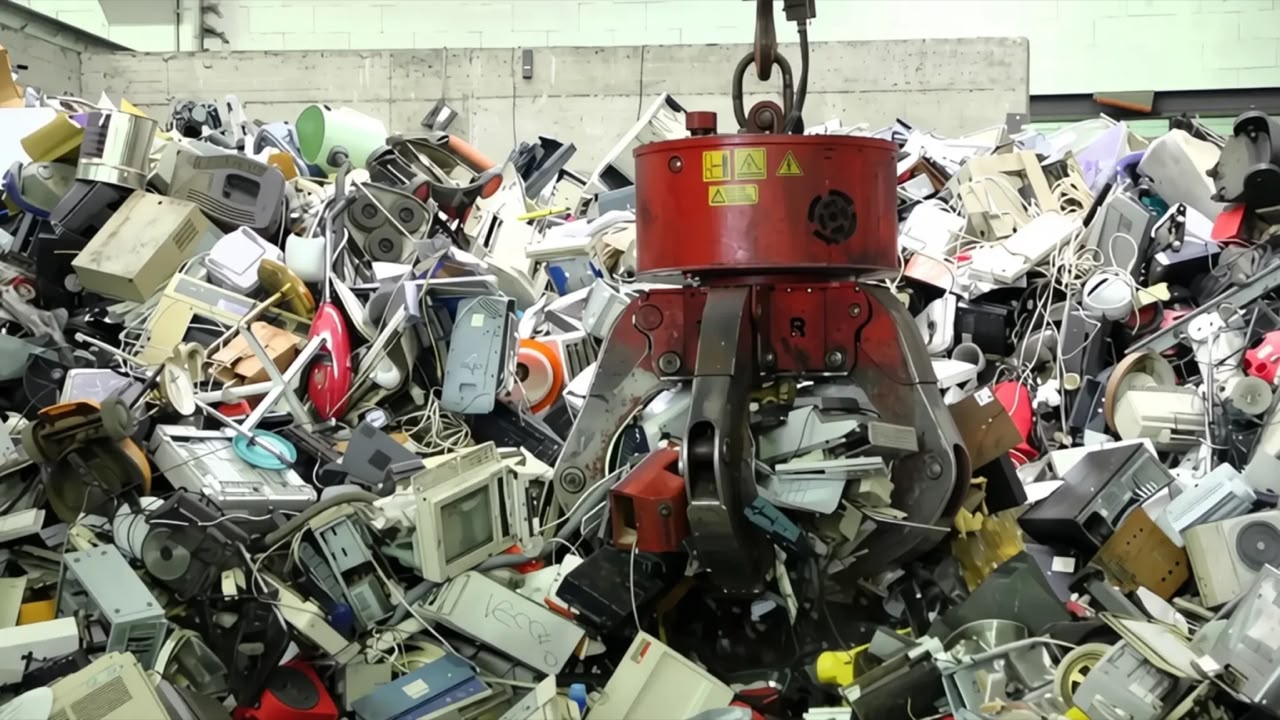
Nigeria Risks Missing Out on $89.48 Billion Global E-Waste Recycling Market Nigeria is missing out on the rapidly growing $89.48 billion global electronic waste e-waste recycling market due to weak formal recycling systems, poor policy enforcement, and heavy reliance on informal waste collectors, according to a new report. Despite being one of Africa’s largest producers of electronic waste, Nigeria lacks the infrastructure needed to process discarded electronics safely and profitably. Instead, much of the country’s e-waste is handled by informal recyclers who often burn cables and dismantle devices using unsafe methods, exposing workers and nearby communities to toxic substances while causing significant environmental pollution. Industry estimates show that Nigeria generates between 500,000 and over one million tonnes of e-waste each year, placing it among the continent’s biggest e-waste producers. However, the absence of certified recycling facilities, limited investment, weak enforcement of environmental regulations, and a lack of end-of-life product management by manufacturers have prevented the country from benefiting from the booming global recycling industry.
According to market research cited in the report, the global e-waste recycling industry was valued at $77.61 billion in 2024 and is projected to reach $279.49 billion by 2033, driven by growing demand for valuable recovered materials such as gold, copper, palladium, and rare earth metals. Experts estimate that if Nigeria captured just 5% of the global market, it could generate about $4.5 billion annually, create thousands of jobs, and develop a thriving circular economy.
The report also highlighted growing health concerns linked to unsafe recycling practices. Open burning and crude dismantling of electronic devices release hazardous chemicals, including lead, mercury, and cadmium, which have been associated with cancer, respiratory illnesses, and other serious health conditions.
Environmental experts are calling on the Nigerian government to strengthen e-waste regulations, encourage private investment in certified recycling facilities, integrate informal waste collectors into the formal recycling system, and enforce extended producer responsibility policies to ensure manufacturers take greater responsibility for the disposal and recycling of electronic products. They say such reforms could transform e-waste from an environmental burden into a major source of economic growth and employment.