From Stadium Terraces To Fan Zones, Shared Chants And Flags Are Redefining The World Cup Experience
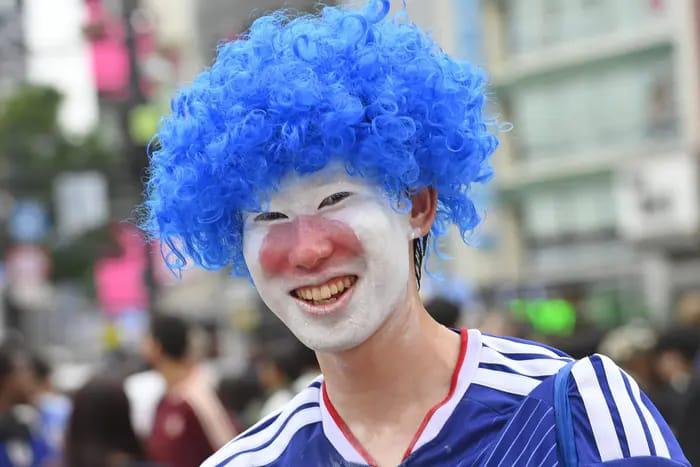
From stadium terraces to fan zones, shared chants and flags are redefining the World Cup experience The FIFA World Cup is increasingly being experienced far beyond stadium walls, as fan zones and public viewing areas reshape how supporters engage with the tournament around the world. Across host cities, massive fan zones have become central gathering points where fans watch matches on giant screens, sing national songs, wave flags, and create a shared atmosphere that rivals the stadium itself. These spaces turn city squares and parks into temporary football capitals, where supporters from different countries celebrate side by side. Officials and organisers say the modern World Cup experience is no longer defined only by ticket holders inside stadiums, but also by the millions of fans who gather in public spaces to be part of the event. The atmosphere in these zones is built on collective emotion with chants, coordinated celebrations, and constant displays of national pride. Recent World Cup editions have also introduced more immersive fan experiences, including large-scale flags, music-driven ceremonies, and redesigned pre-match presentations aimed at engaging both stadium audiences and those watching elsewhere. Fan zones are officially designated public viewing areas set up by host cities and football authorities, designed to allow fans without stadium tickets to experience matches live in a shared environment. These zones typically feature giant screens, live entertainment, food stalls, and cultural activities, turning them into full-scale festivals rather than simple viewing spots. In many cases, the energy in these areas is described as equal to or even stronger than inside the stadium itself, due to the density of crowd participation and continuous chanting. One of the most visible changes in modern World Cup culture is the way national flags and chants are used collectively in fan zones. Instead of isolated groups inside stadium sections, supporters now create large unified waves of colour and sound in public spaces. This shared atmosphere often blends cultures, with fans from different countries interacting, exchanging chants, and participating in mutual celebrations when goals are scored. The result is a more social, open version of football fandom that extends beyond traditional rivalries. Experts say the World Cup is evolving into a global festival where football is only part of the experience. Music, food, culture, and shared public celebrations now play a central role in how the tournament is experienced by millions of people worldwide. As fan zones continue to expand across host cities, they are increasingly seen as the “second stadium” of the World Cup — one built not of seats and stands, but of crowds, screens, and shared emotion.