2026 FIFA World Cup “Defeatist Mentality Why Senegal, Ivory Coast, South Africa & Others Fell Short
2026 FIFA World Cup “Defeatist Mentality Why Senegal, Ivory Coast, South Africa & Others Fell Short African teams entered the 2026 FIFA World Cup with growing expectations after strong qualifying campaigns and increased representation on the global stage, but several sides—including Senegal, Ivory Coast, and South Africa have suffered painful exits that have triggered debate over mentality, game management, and consistency in decisive moments.
The discussion intensified after Senegal’s dramatic collapse against Belgium, where they surrendered a two-goal lead late in the match before losing 3-2 in extra time, a result that many fans and analysts say reflects a recurring pattern among some African teams on the world stage. Senegal appeared in control of their knockout clash after leading 2-0 until the final minutes, but defensive lapses and late pressure from Belgium completely changed the outcome.
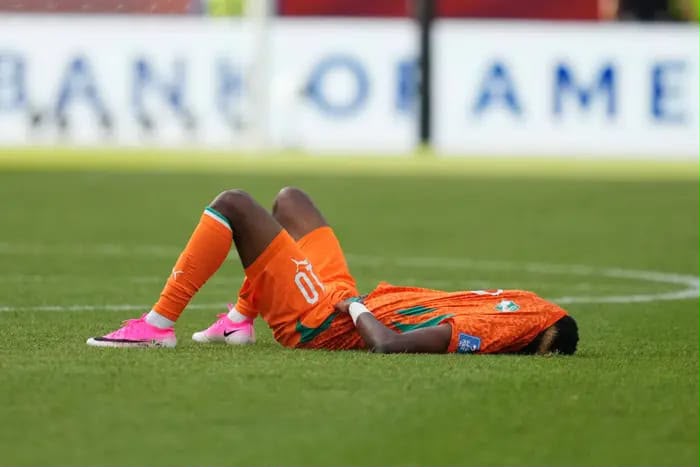
Coach Pape Thiaw expressed frustration after the defeat, describing the result as a “cruel” end to a match his side had largely controlled. The loss has since been widely used as a reference point in broader criticism suggesting that some African teams struggle to maintain concentration and authority when matches reach critical late stages. Ivory Coast’s campaign also ended in disappointment after a narrow 2-1 defeat to Norway, where they conceded a decisive late goal despite fighting back to equalise earlier in the match.
Coach Emerse Fae attributed the exit to inexperience within a young squad competing in their first major knockout stage appearance in years, noting that small defensive errors proved costly against elite opposition.Despite showing strong attacking moments and progressing beyond the group stage for the first time since 2014, the Elephants were unable to sustain control in the closing stages. South Africa’s elimination came after a 1-0 defeat to Canada in the Round of 32, with coach Hugo Broos pointing to a lack of physical intensity and speed compared to higher-ranked opposition. Broos said his team struggled in key duels and transitions, adding that limitations in domestic football development contributed to the gap at elite level. However, he also praised the squad for exceeding expectations by reaching the knockout phase for the first time in over two decades. Beyond individual results, a broader debate has emerged around whether some African teams lack the tactical discipline and psychological resilience required to close out matches against top-tier opponents.
Commentators and fans point to recurring issues such as
- Late defensive concentration lapses
- Overly cautious game management after taking the lead
- Difficulty sustaining intensity for 90 minutes
- Missed chances in crucial knockout moments
A section of fan analysis has argued that while African teams possess technical ability and pace, they often struggle with consistency and decision-making under pressure in the final stages of high-stakes matches.Despite the criticism, Africa’s overall World Cup performance has shown significant progress, with multiple teams reaching the knockout rounds in a expanded tournament format, underlining improved competitiveness on the global stage.
Analysts caution that while some exits have been painful, they do not erase broader gains in structure, talent development, and international exposure. As the tournament continues, the debate is expected to persist: whether African teams are being undone by mentality issues or simply by fine margins against more experienced opponents.