US Immigration And Customs Enforcement Has Visited Workplaces
US Immigration and Customs Enforcement Has Visited Workplaces
Nationwide Here’s What to Do if ICE Shows Up
United States ICE Workplace Visits at Target, Hyundai and Beyond Spark Preparedness Advice
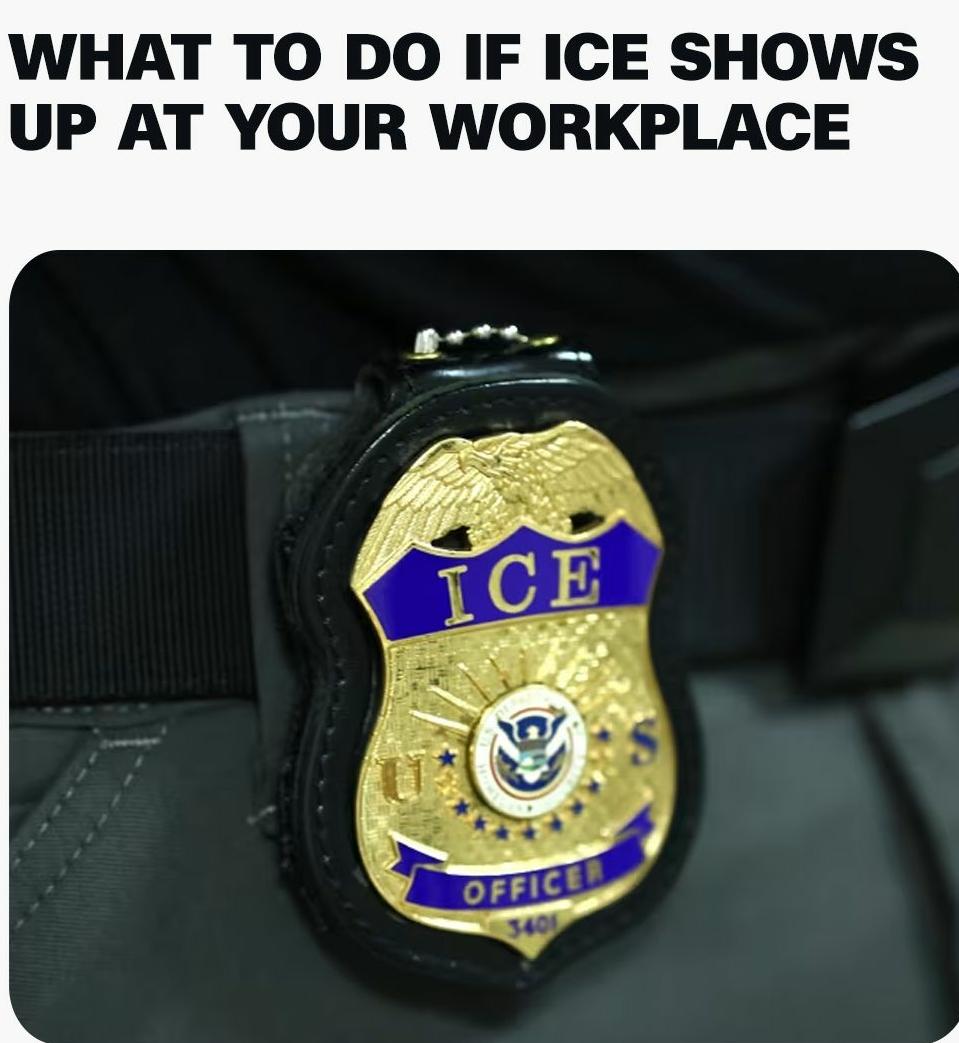
As Immigration Enforcement Rises, Legal Experts Offer Guidance for Employees Over the past year, U.S. Immigration and Customs Enforcement (ICE) has increased its presence at workplaces across the country, showing up not only at high-profile companies like Target and Hyundai but also at smaller businesses that don’t make headlines. These actions include both workplace raids and compliance-related visits, reflecting broader federal enforcement efforts aimed at detaining and deporting unauthorized immigrants and auditing employer immigration records.
ICE’s tactics have had a chilling effect on workplaces, especially in areas with strong enforcement operations, and have prompted employers and employees alike to think seriously about preparing for potential encounters with immigration agents.
Workplace visits by ICE can take several forms:
Raids or Arrest Operations: Agents may arrive unexpectedly with the goal of apprehending specific individuals suspected of being in the U.S. illegally.
I-9 Audits: ICE often conducts audits of companies’ Form I-9 documents the federal employment eligibility verification forms to determine whether employers are hiring workers legally. These audits can occur without prior notice.
Routine Compliance Checks: Sometimes agents visit to inspect records or ask questions about hiring practices and worker status.
Under U.S. law, ICE can access public areas of a workplace like lobbies, open seating areas, reception desks or parking lots without a warrant, because these are considered places the general public can enter. However, to enter private parts of the business such as employee break rooms, offices, warehouse floors and other restricted areas they typically need employer consent or a valid judicial warrant signed by a judge.
Here’s a step-by-step guide for how companies and employees can handle an ICE workplace appearance:
- Stay Calm and Respectful
Remain calm. Do not argue or obstruct agents, as confrontational behavior can escalate the situation.
Designate a Point Person
Workplaces should have an “immigration point person” typically an HR manager or legal contact who is responsible for interacting with ICE and reviewing any documentation they present.
Ask to See Documentation
If ICE agents want to go beyond public areas, they must have a judicial warrant. Ask them to show the warrant before granting access to private areas.
A judicial warrant will have the court’s name and a judge’s signature.
Administrative warrants (issued by ICE or the Department of Homeland Security) do not authorize agents to enter private parts without consent.
Employees and employers can politely request to photograph or review the warrant before allowing entry.
If safe and permissible, make a written record or photograph documentation of what ICE agents take or do. Employers may also rely on workplace surveillance footage - Use “Red Cards” and Know Your Rights
Some organizations produce “red cards” that outline constitutional rights under the Fourth and Fifth Amendments such as the right to remain silent and the right to refuse entry to private areas absent a judicial warrant. Employers can distribute these to staff.
Educate Staff
All employees not just managers should understand what ICE can and cannot do and what to do if agents arrive. This includes knowing who to contact within the company and when to involve legal counsel. - Contact Legal Counsel
If ICE presents a warrant or seeks access, notify your immigration attorney immediately. A lawyer can help determine whether the agents are acting within the limits of the law and advise next steps.
Regardless of immigration status or employment role, individuals have certain rights:
You are not obligated to answer questions about immigration status at work.
You can ask if you are being detained and whether you may leave.
ICE agents cannot lawfully enter private areas of a workplace without a proper judicial warrant or employer consent.
The increase in workplace visits by ICE reflects a broader shift in U.S. immigration enforcement priorities. While such visits have historically occurred, legal and employment experts say recent actions including unannounced appearances in parking lots, lobbies and public work areas have heightened tension for workers and employers alike.
Preparing ahead by educating staff, designating point persons, reviewing I-9 compliance and understanding legal rights can help workplaces navigate these encounters more safely and confidently