UK Government Tells Councils To Name And Shame Fly Tippers On Social Media
by HEDNEWS on February 26, 2026
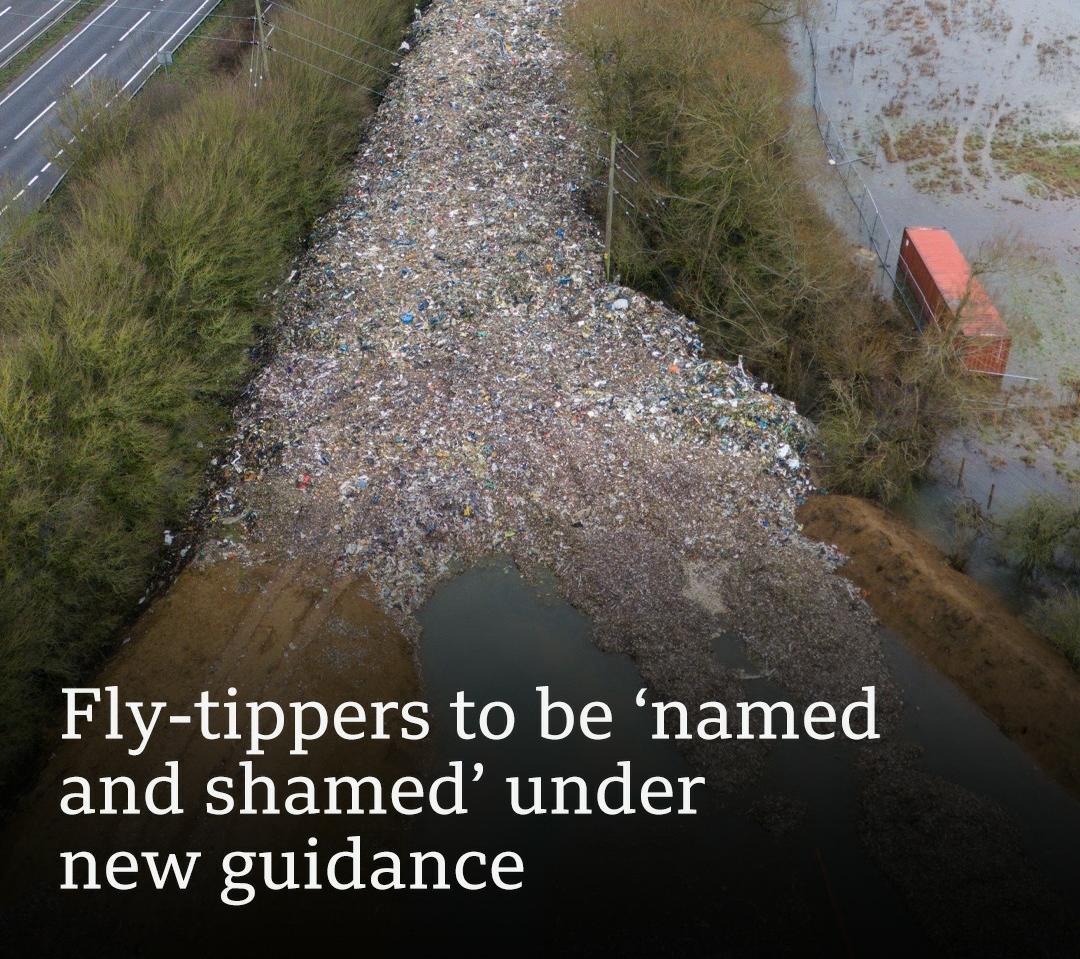
UK government tells councils to name and shame fly tippers on social media amid record illegal dumping
New government guidance aims to crack down on waste criminals The UK government has published fresh guidance for local authorities recommending that councils should publicly identify and shame people convicted of fly-tipping, including through social media posts showing vehicles seized and crushed as part of enforcement actions. Fly-tipping hits record highs, fuelled by soaring incidents Latest statistics show fly-tipping in England remains at historic high levels, with local councils dealing with more than 1.26 million incidents in 2024–25 up around 9 % on the previous year.
- Highways and roads were the most common locations for dumped waste.
- Around 31 % of incidents involved amounts equivalent to a small van load.
- Large dumps requiring tipper lorry clearance cost councils millions to clear. Seize, crush and expose: councils pushed to step up enforcement Under the new Department for Environment, Food & Rural Affairs (Defra) guidance
- Councils are advised on how to identify, seize and crush vehicles used to dump waste illegally.
- Authorities are encouraged to share images and videos on social media of both the seized vehicles and offenders, as a deterrent and public awareness tool.
- Guidance includes advice on maximising engagement and evidence gathering to support prosecutions.
Government ministers said the measures are designed to strengthen deterrence, restore pride in local areas and show that fly-tippers face real consequences, including public exposure. Circular Economy Minister Mary Creagh said the guidance empowers councils to clamp down on “waste cowboys” and warns that vehicles used to illegally dump rubbish could end up crushed or publicly exposed online. She stressed investing in technology, enforcement and penalties to tackle the problem. - While councils stepped up enforcement actions to 572,000 in 2024–25, the number of court fines actually fell by 9 % compared with the previous year, and total fine values dropped, even as average fines nudged slightly higher.
- Defra’s guidance is intended to complement existing powers, encourage more prosecutions, and make communities aware of the consequences of environmental crime.
The “name and shame” approach has attracted debate - Supporters argue it boosts deterrence and holds offenders publicly accountable.
- Critics warn of potential privacy and fairness concerns about online exposure of individuals, particularly for relatively low-level crimes.
- Some councils already run their own “name and shame” campaigns or social media posts highlighting offenders
The UK government’s latest guidance encourages local councils to take a tougher, more visible stance on fly-tipping by seizing and destroying offenders’ vehicles and promoting convictions and enforcement actions including through public naming and shaming on social media in response to a continued surge in illegal dumping and its environmental and financial impact.