UK Economy Barely Grew At End Of 2025
by HEDNEWS on February 12, 2026
UK economy barely grew at end of 2025
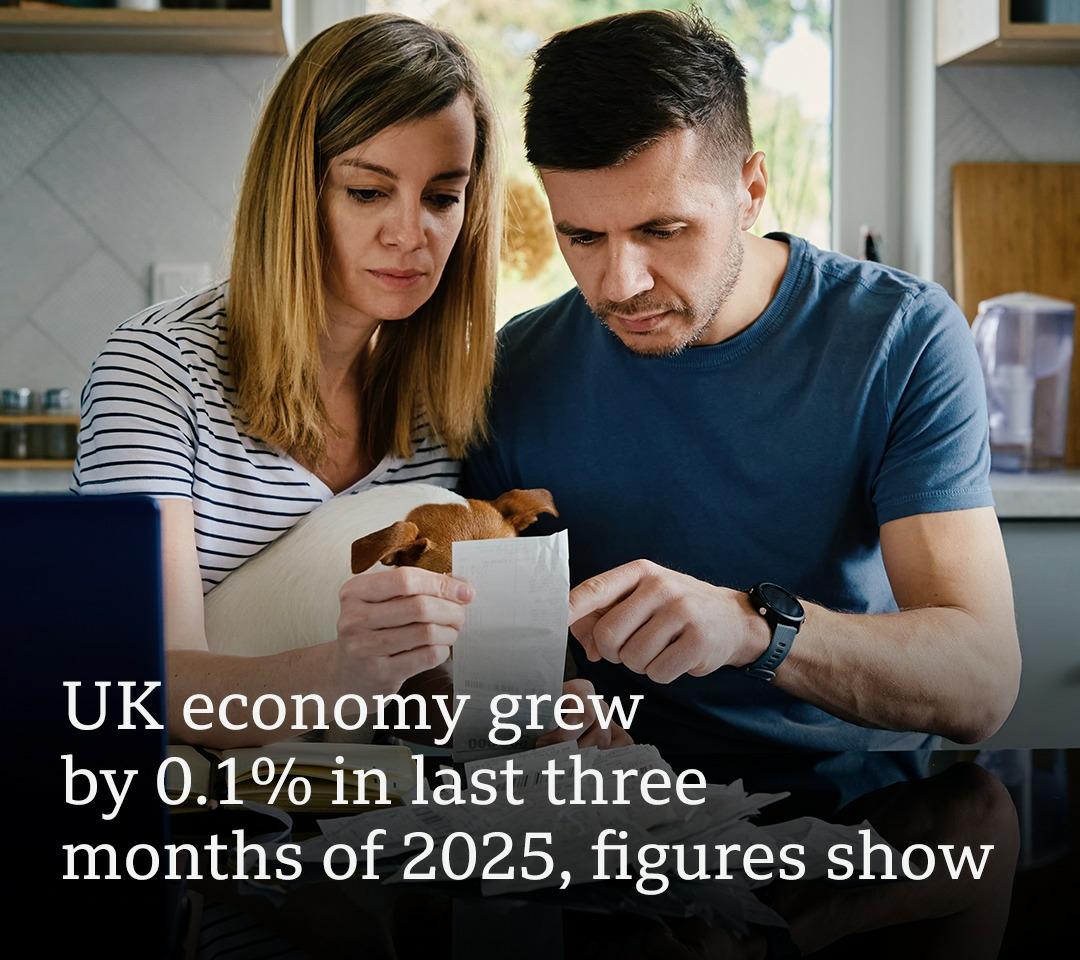
- The UK’s gross domestic product (GDP) expanded by just 0.1% in the final quarter (Oct–Dec) of 2025, official figures from the Office for National Statistics show unchanged from the previous quarter and below the 0.2% economists and Bank of England had forecast.
- For the full year 2025, GDP grew by 1.3%, up from 1.1% in 2024, but still considered weak compared with longer-term averages.
- GDP in December alone increased by 0.1%, marking a slight upturn from subdued activity in prior months.
- Manufacturing / production output was the main contributor to growth in the quarter.
- The services sector about 80% of the economy was effectively flat over Q4, showing no growth, reflecting weak consumer and business spending.
- Construction output fell sharply (around 2.1%), its worst performance in years.
- Output per person contracted slightly for a second successive quarter, even though total output was slightly larger.
- Chancellor Rachel Reeves has highlighted the need for stronger growth, but the slow Q4 performance adds pressure on her economic agenda. Some critics say uncertainty surrounding the autumn budget weighed on investment and consumer confidence.
- The Bank has downgraded growth forecasts for 2026 and 2027, reflecting concerns about weak domestic demand and the lagged effects of higher taxes and borrowing costs.
- Minimal GDP expansion suggests the UK economy is stuck in low gear, with limited momentum. This can impact jobs, wages, investment, consumer confidence, and government tax revenues.
- With inflation trending lower but still above target, and growth weak, the Bank of England may face tough choices on interest rates. Economists widely expect further rate cuts may be on the agenda, possibly as soon as March.
- The UK’s annual growth of 1.3% in 2025 outpaced some major European peers like France, Italy and Germany but still ranks as modest.
- Consumer and business caution ahead of fiscal announcements likely weighed on investment and spending late in the year.