UAE Announces Exit From OPEC As Oil Prices Surge Amid Middle East War
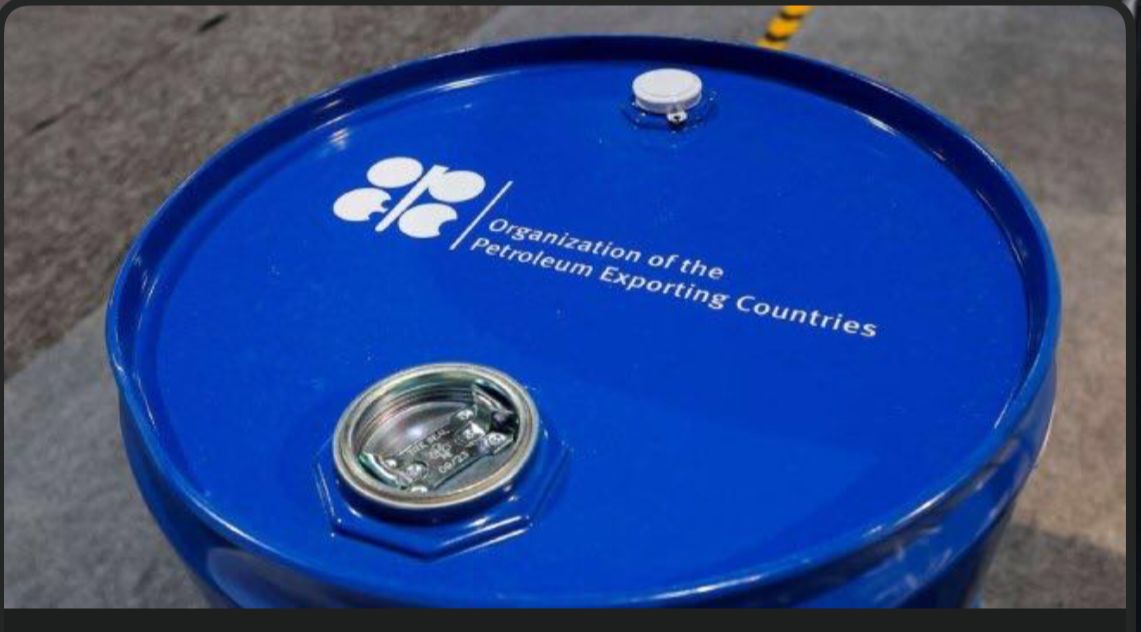
UAE Announces Exit From OPEC as Oil Prices Surge Amid Middle East War One of OPEC ’s largest producers, the United Arab Emirates (UAE), has announced it will withdraw from the global oil producers’ alliance effective May 1, 2026, in a move described as a major shock to the energy market as crude prices continue to rise amid the ongoing Middle East conflict. The announcement, confirmed on Tuesday, marks one of the most significant shifts in global oil politics in recent years and is expected to reshape supply dynamics within the OPEC framework. The UAE, the fourth-largest producer within OPEC , said its exit reflects a strategic decision aimed at aligning its long-term energy and economic priorities. According to official statements reported by state media, the decision follows a review of production policy and national energy goals, with the country seeking greater flexibility outside the constraints of OPEC output quotas. The UAE has been a member of OPEC since 1967 and played a central role in coordinating production policies within the group for nearly six decades. The announcement triggered immediate reactions in global markets, with crude oil prices extending gains. Brent crude rose above $112 per barrel, while U.S. West Texas Intermediate (WTI) also climbed past $100 per barrel, continuing a multi-day upward trend driven by supply concerns and geopolitical tensions. Analysts say the combination of the UAE’s exit and ongoing instability in the Middle East has intensified fears of tighter global oil supply. The decision comes at a time when energy markets are already under pressure due to the war in the Middle East, which has disrupted key shipping routes and heightened fears over supply security. The Strait of Hormuz a vital passage for global oil shipments has also been affected by regional instability, adding further volatility to the market. The UAE’s departure is expected to weaken the cohesion of OPEC, an alliance that has coordinated oil production cuts and output targets to influence global prices. Energy analysts warn that the exit could reduce the group’s ability to regulate supply effectively, potentially leading to greater market volatility in the long term. At the same time, the UAE is expected to pursue independent production strategies, potentially increasing output beyond previous quota limits once logistical and regional constraints ease. The UAE has indicated it will focus on expanding its energy sector under a more flexible national strategy, balancing oil production with broader economic diversification plans. Meanwhile, OPEC is expected to reassess its production framework in response to the exit, as member countries weigh the implications for global market stability.
Experts say the development marks a turning point in global energy governance, with OPEC facing growing internal divisions amid shifting national interests and external geopolitical shocks. While the immediate impact on supply may be limited due to existing disruptions, analysts warn that the long-term consequences could reshape how oil prices are set and how producers coordinate output globally.