U.S. Lawmaker Urges Reinstatement Of Controversial TSA Shoe Removal Rule, Calling Its Removal “Reckless”
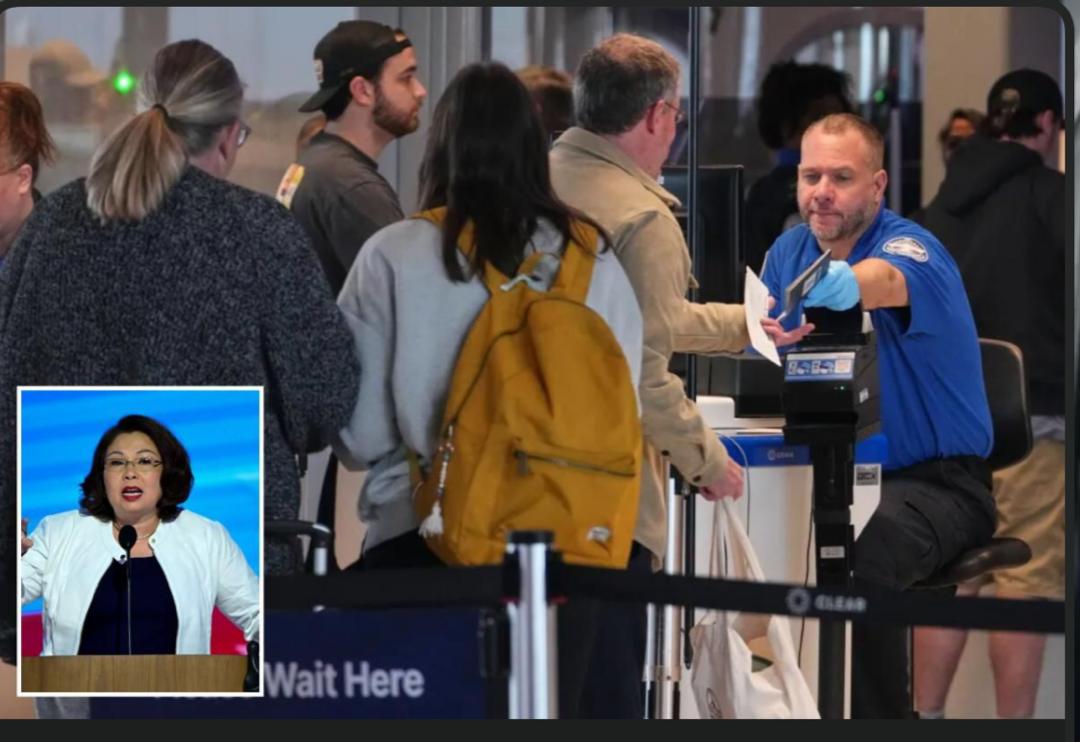
U.S. Lawmaker Urges Reinstatement of Controversial TSA Shoe Removal Rule, Calling Its Removal “Reckless” A senior U.S. senator has called on the Department of Homeland Security (DHS) to reverse a controversial airport security policy that allows passengers to keep their shoes on during Transportation Security Administration (TSA) screening, describing the decision to scrap the long‑standing requirement as “reckless and dangerous.”
For nearly two decades after the 2001 “shoe bomber” terror attempt, most airline passengers in the United States were required to remove their shoes before passing through security scanners. That rule was designed to prevent explosive devices hidden in footwear from evading detection.
In July 2025, DHS under then‑Secretary Kristi Noem formally ended the “shoes‑off” requirement for most passengers, arguing that modern screening technology could maintain high levels of security while reducing bottlenecks and wait times at checkpoints. Senator Tammy Duckworth (D‑Illinois) ranking member of a Senate aviation subcommittee is now demanding that DHS and TSA reinstate the older rule after a watchdog report raised concerns that some TSA scanners may not effectively screen shoes. In a letter to acting TSA administrator Ha Nguyen McNeill, Duckworth said the removal of the shoe removal policy “likely occurred without meaningful consultation with TSA” and called it a “reckless act” that could expose travelers to security risks.
Duckworth’s criticism comes amid broader security concerns as U.S. airports prepare for periods of heavy travel during key summer events such as the America 250 celebrations and the FIFA World Cup, prompting calls for tightened screening protocols. TSA and DHS have not formally responded to Duckworth’s letter. Supporters of the “shoes‑on” policy say that allowing passengers to keep their shoes on shortens security lines and streamlines airport travel without materially compromising safety, pointing out advances in screening technologies and multi‑layered threat detection systems. Opponents like Duckworth argue that ending the shoe removal rule creates vulnerabilities that could be exploited before high‑profile travel seasons, citing internal audits suggesting incomplete scanner effectiveness. The shoe policy debate is taking place against a backdrop of broader challenges and changes for TSA. The agency has faced historically long security lines at major U.S. airports because of staffing shortages tied to extended government funding disputes, and lawmakers have been under pressure to address security and efficiency simultaneously. Additionally, current federal budget proposals seek to trim thousands of TSA jobs and shift some airport security functions toward privatized screening models, further intensifying debate over the future of aviation security operations. The dispute over the shoe rule reflects ongoing tensions between streamlining traveler experience and maintaining strict security measures in an era of evolving threats and technological capabilities with some lawmakers now pressing for reinstating older protocols they view as proven safeguards.