Tourette’s Syndrome Under Spotlight After Racial Slur At BAFTA Awards
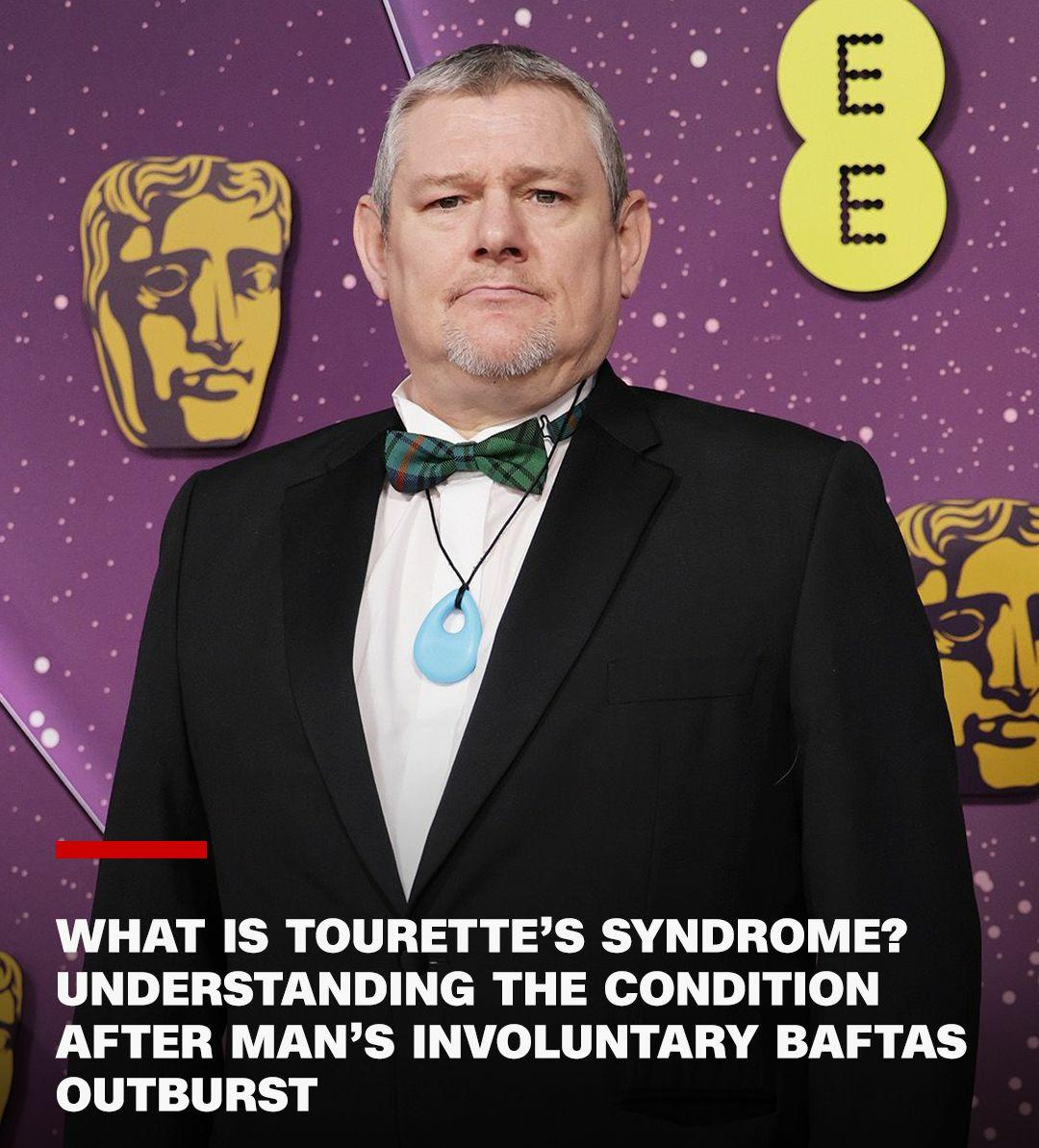
Tourette’s Syndrome Under Spotlight After Racial Slur at BAFTA Awards Tourette’s syndrome a neurological disorder that causes involuntary movements and sounds known as tics has become a focus of international attention after a man with the condition involuntarily shouted a racial slur during the 2026 BAFTA Film Awards in London. The incident prompted discussion about awareness of the condition, broadcast decisions and how public events handle involuntary outbursts. At the ceremony on 22 February 2026, John Davidson a well-known Tourette’s campaigner whose life is the subject of the BAFTA-nominated film I Swear was in attendance when he involuntarily shouted a racial slur as actors Michael B. Jordan and Delroy Lindo presented an award. The moment was audible in the venue and on startling audiences and drawing immediate widespread attention.
Host Alan Cumming paused the ceremony and explained to the audience that the outbursts were part of Davidson’s Tourette’s symptoms, asking for understanding and apologising to those offended. The BBC later apologised for airing the slur and acknowledged it should have been removed from the televised show. Tourette’s syndrome is a neurological disorder characterised by involuntary motor and vocal tics sudden, repetitive movements or sounds that an individual cannot control easily.
Common tics include blinking, throat clearing or eye movements, and vocalisations. A minority of people with Tourette’s experience coprolalia the involuntary utterance of socially inappropriate or taboo words, including obscenities or racial slurs. It is a recognised symptom but affects only a minority of those with the condition.
Tourette’s is relatively common in children, with about 1 % of school-age children affected, though severity varies widely and many cases are mild. John Davidson MBE is a Scottish campaigner and advocate for Tourette’s awareness, first brought to prominence by the 1989 BBC documentary John’s Not Mad.
He has spent decades raising public understanding of the condition and supporting others living with it.
Davidson’s presence at the BAFTAs was linked to the film I Swear, which tells his life story and was among the event’s most recognised films. The incident sparked global media coverage and public discussion about how involuntary tics are understood by broadcasters and the broader public.
Some commentators and entertainment figures condemned the BBC’s handling, arguing more care should have been taken in editing the broadcast. Others stressed the importance of understanding Tourette’s as a neurological condition rather than intentional offensive behaviour highlighting the need for education, empathy and awareness. The BBC admitted the decision not to remove the slur from the televised ceremony was a mistake and pledged to edit future versions accordingly
Event host Alan Cumming reiterated during the ceremony that tics are involuntary symptoms and not reflective of a person’s character or intent. Disability advocates and charities noted the moment could serve as an opportunity to increase public knowledge about neurological disorders and reduce stigma.
The BAFTA incident brought Tourette’s syndrome a misunderstood and often stigmatized condition into mainstream conversation in an unprecedented way. It has highlighted the challenge of balancing disability awareness with the sensitivity needed around offensive language on public platforms.Health experts emphasise that involuntary tics are not a person’s choice, and that understanding neurological disorders requires both scientific awareness and empathy.