Tinubu Pledges Nigeria Will Overcome Crisis As Middle East War Bites, Launches Military Support Fund At 74
Tinubu Pledges Nigeria Will Overcome Crisis as Middle East War Bites, Launches Military Support Fund at 74
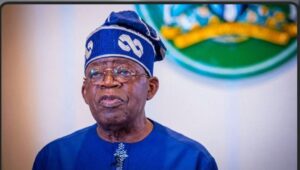
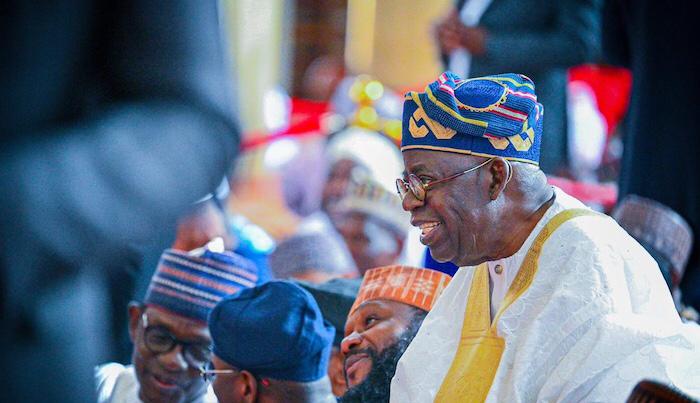
President Bola Ahmed Tinubu has reassured Nigerians of the country’s resilience amid the global economic shocks from the Middle East war while unveiling a dedicated military support fund on the occasion of his 74th birthday. The announcement comes as Nigeria grapples with rising living costs and mounting public concern over economic and security challenges.
Speaking during a special prayer session at the National Mosque in Abuja on Sunday, Tinubu acknowledged that Nigeria is enduring “a very difficult period” due largely to external pressures from the ongoing conflict in the Middle East, which he said has had knock‑on effects on Nigeria’s economy, including inflation, transport cost increases, and persistent electricity shortages.
“It’s a solemn day… We are challenged. There is that of electricity, there’s a problem of transportation hike, there’s a problem of expected inflation as a result of the war that we have no control of. But we will overcome it,” Tinubu said, urging Nigerians to remain united and committed to national progress.
In a landmark gesture aimed at honouring members of Nigeria’s armed forces and their families, Tinubu announced the creation of a special military support fund. He directed the Accountant‑General of the Federation to establish the fund to provide targeted assistance to injured service personnel and families of fallen soldiers. As part of his personal commitment to the initiative, Tinubu pledged to contribute all salaries earned since assuming office as seed funding for the fund a move widely seen as symbolic of his gratitude to the nation’s military and their sacrifices. The president also called on governors, members of the National Assembly, private sector actors, friends, and well‑wishers to support the initiative, with further details of the programme to be released in due course. The prayer session, which drew prominent government officials, traditional leaders, and religious scholars, was described more as a spiritual exercise than a celebratory event. Leaders, including the Sultan of Sokoto’s representative, Etsu Nupe Yahaya Abubakar, offered prayers for Tinubu’s health, guidance, and success, and called for prayers for national peace and stability. Vice President Kashim Shettima, in a message titled “A Leader’s Milestone: Celebrating Vision, Courage and Achievement,” lauded Tinubu’s leadership under the Renewed Hope Agenda, highlighting strides in economic growth and infrastructure development. Shettima praised Tinubu’s fortitude in making tough policy decisions aimed at long‑term national prosperity. Attorney‑General Lateef Fagbemi, SAN, also described Tinubu as an “uncommon reformer,” emphasizing the president’s commitment to justice sector reforms and national development. Despite the gestures of goodwill and affirmations from allies, the African Democratic Congress (ADC) used the occasion to critique the administration’s record. The party argued that Nigerians are confronting worsening economic and security conditions, pointing to rising fuel prices, hardship for ordinary citizens, and a deteriorating security situation. In a statement marking Tinubu’s birthday, ADC said that fuel price increases of nearly 500 % and persistent insecurity including a rise in violence and loss of lives reflect governance failures under the current administration. The party asserted that the “Renewed Hope” agenda has translated into hardship for many Nigerians. ADC also raised concerns about narrowing political space and urged the president to intensify his focus on governance, security, and economic relief for citizens President Tinubu’s dual message of resilience and gratitude coupled with a bold fundraising initiative for military personnel comes at a moment of heightened public scrutiny of national governance. With Nigeria’s economy feeling the reverberations of global conflicts and domestic pressures mounting, political and policy responses in the coming months are likely to remain a central focus of national discourse.