THOUSANDS OF STRANDED SAILORS ENDURE ‘HORROR AND DEVASTATION’ AS HORMUZ CRISIS DEEPENS
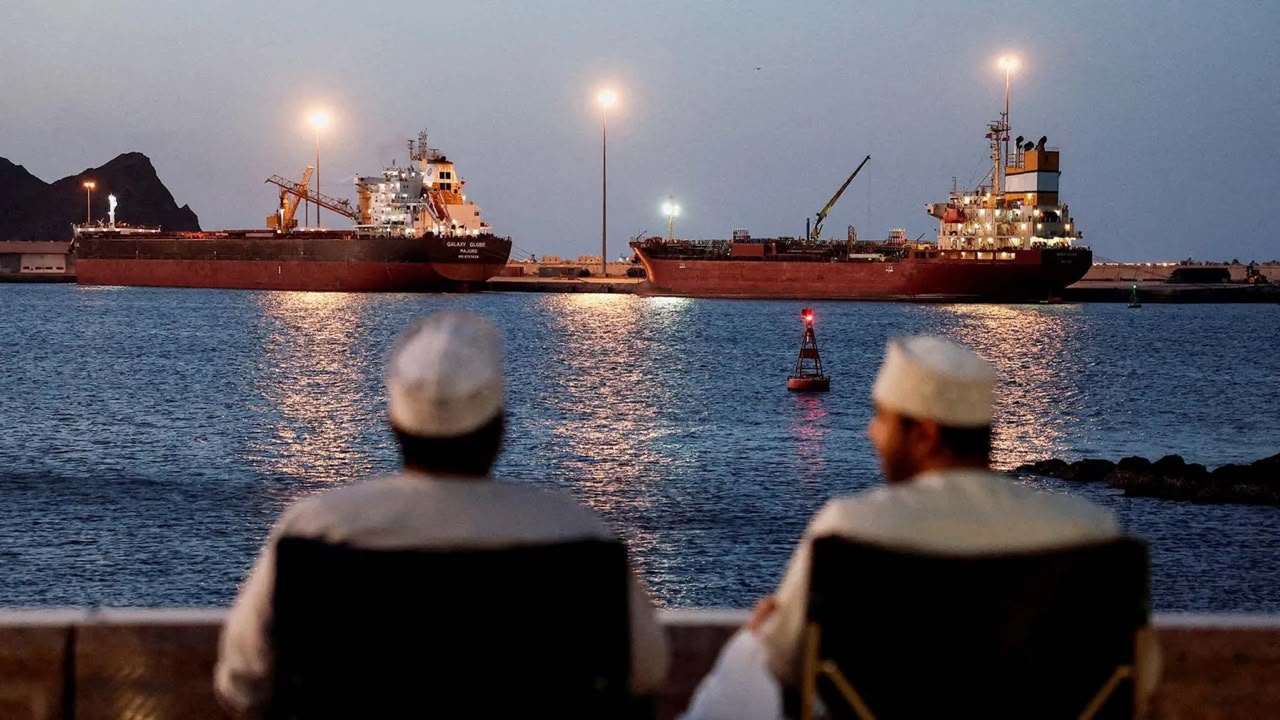
THOUSANDS OF STRANDED SAILORS ENDURE ‘HORROR AND DEVASTATION’ AS HORMUZ CRISIS DEEPENS Thousands of sailors trapped aboard vessels in and around the Strait of Hormuz have described living through months of fear, isolation and uncertainty as the ongoing regional conflict continues to disrupt one of the world’s most important shipping routes. “We have witnessed horror and devastation with our eyes,” one stranded seafarer said, reflecting the trauma experienced by crews caught in the prolonged maritime crisis. The sailors are among an estimated 20,000 seafarers unable to leave the Gulf region because of security concerns and restrictions on navigation through the strategic waterway.
The Strait of Hormuz, a critical gateway for global oil and gas shipments, has remained largely inaccessible following months of conflict involving Iran, the United States and regional allies. Despite reports of ceasefire efforts, shipping companies and maritime authorities say the area remains too dangerous for normal operations to resume.Shipping executives attending the Posidonia maritime conference in Athens warned that crews remain at significant risk from drone attacks, missile strikes and ongoing military activity. Many vessels have been stranded since late February, leaving sailors confined to their ships for months with limited opportunities for relief or evacuation. According to maritime organizations, the prolonged crisis has created severe humanitarian challenges. Sailors report shortages of supplies, restricted communications with families and growing mental-health concerns as they remain trapped in a conflict zone. Some have missed major family milestones, while others fear becoming victims of renewed hostilities. The International Maritime Organization IMO has expressed concern over the welfare of stranded crews and continues to explore options for establishing safe maritime corridors. However, officials say any large-scale evacuation or crew rotation remains impossible without stronger security guarantees from parties involved in the conflict. Maritime industry leaders say restoring confidence will require more than a temporary ceasefire. Ship operators are demanding clear international assurances that vessels can travel safely before allowing traffic to return to pre conflict levels. Before the crisis, an average of more than 100 ships passed through the strait daily, making it one of the busiest maritime chokepoints in the world. Humanitarian groups and labor unions have also raised alarm over the plight of seafarers, describing many of them as effectively trapped at sea. Industry representatives warn that the psychological toll of prolonged isolation, combined with constant security threats, is creating an unprecedented crisis for maritime workers.The continuing disruption has broader implications for global trade and energy markets. The Strait of Hormuz serves as a key route for a significant share of the world’s oil exports, and instability in the region has contributed to supply-chain concerns and increased shipping costs. As diplomatic efforts continue, thousands of sailors remain aboard vessels scattered across the Gulf, waiting for a safe passage home and hoping that the conflict will finally come to an end.