The UK Economy Grew By 0.6% Between January And March, According To New
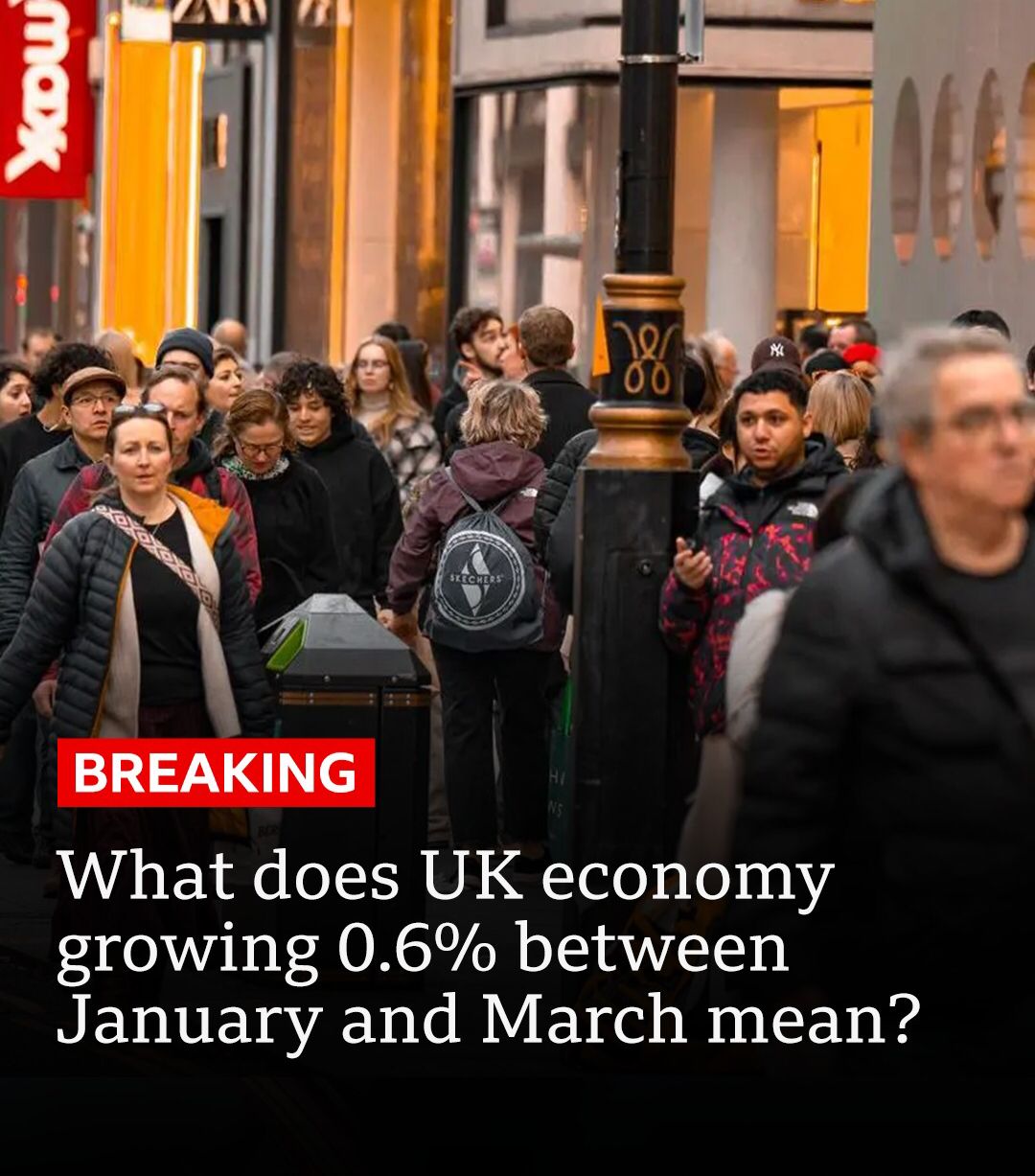
The UK economy grew by 0.6% between January and March, according to new official figures, offering an unexpected boost for the government amid continuing concerns over inflation, global instability and household living costs. Data released by the Office for National Statistics ONS showed the economy expanded faster than many economists had predicted during the first quarter of the year. Growth was driven mainly by strong performance in the services sector, alongside improvements in construction and manufacturing. The figures also showed the economy grew by 0.3% in March alone, despite forecasts that activity could slow because of rising energy prices and uncertainty linked to tensions in the Middle East. Analysts said sectors such as computer programming, advertising, retail and professional services performed particularly strongly. What this means for households is more mixed. Stronger economic growth can improve business confidence, support job creation and potentially increase wages over time. However, many families are still facing pressure from high food prices, energy bills and borrowing costs. Economists warned that growth does not automatically translate into lower living costs in the short term. The latest GDP figures are also significant for interest rates. The Bank of England closely watches growth and inflation data when deciding whether to cut or raise rates. Stronger-than-expected growth could make policymakers more cautious about reducing borrowing costs too quickly if inflation risks remain elevated.Chancellor Rachel Reeves welcomed the figures as evidence that the government’s economic plans are beginning to show results, while opposition critics argued that many people still do not feel financially better off despite the headline growth numbers. Economists cautioned that challenges remain ahead. Rising oil prices, uncertainty linked to international conflicts and weaker consumer spending could slow the economy later in the year. Some analysts also warned that businesses may have temporarily increased activity earlier than planned because of fears over future disruption, potentially inflating the latest figures.