The Federal Government Of Nigeria Has Clarified
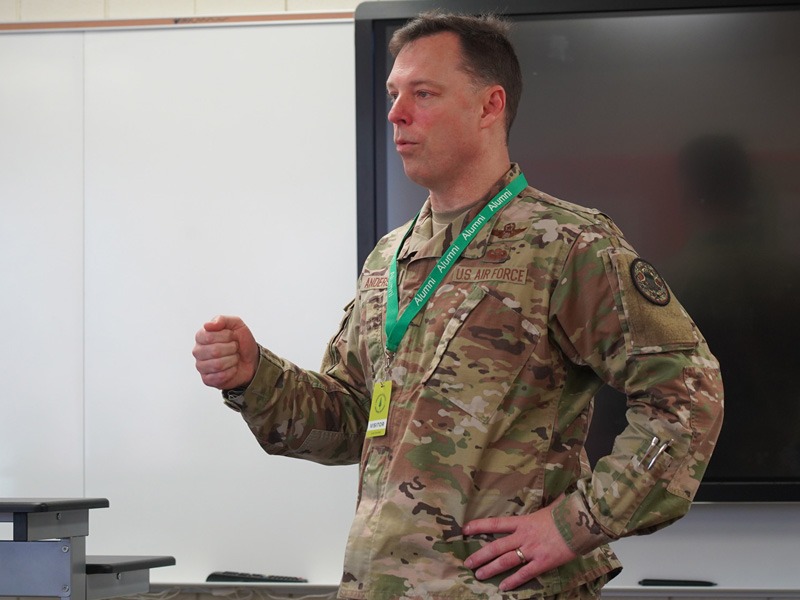
The Federal Government of Nigeria has clarified the role of United States military personnel currently in Nigeria, describing their presence as non‑combat advisers whose assignment is strictly to provide intelligence support and training assistance at Nigeria’s request. The government emphasised that the foreign troops are not engaged in direct combat operations and do not have a mandate to fight on Nigerian soil. According to officials, the deployment forms part of an ongoing bilateral security cooperation between Nigeria and the United States aimed at strengthening Nigeria’s capabilities in the fight against terrorist groups, insurgency, and other security threats. The Presidency and Defence Ministry have repeatedly stated that the American personnel are advisers only, focusing on intelligence, surveillance coordination, and capacity building for Nigerian security forces. The deployment was made at Nigeria’s explicit request and with its consent, reinforcing that Nigeria’s sovereignty remains intact and central to any collaboration with foreign partners. Officials stressed the team is small, specialised, and not authorised for combat, underscoring that they will work primarily on technical training and intelligence operations to support local forces. Nigerian Defence sources clarified that the mission is temporary and guided by agreements on how it will operate, with no U.S. engagement in direct battlefield roles.
The United States Africa Command (AFRICOM) publicly acknowledged sending a small team of military personnel to Nigeria, describing the move as part of an expanded counter‑terrorism cooperation with Abuja. The commander of AFRICOM said the deployment followed discussions with Nigerian leadership during international security talks. In remarks reported by the U.S. military, the presence of American advisers is designed to augment Nigerian operations, especially in intelligence, surveillance, and tactical coordination, rather than replace or supplant Nigeria’s own forces.
Nigeria continues to battle multiple terrorist and insurgent groups across different regions. The government has previously collaborated with foreign partners on intelligence sharing and equipment support and in December 2025, U.S.‑linked airstrikes targeted extremist camps in Nigeria, described by officials as joint counter‑terrorism operations based on shared intelligence.
Foreign assistance through training and intelligence is seen by many observers as a force‑multiplier that can help Nigerian security forces improve situational awareness and operational planning against increasingly sophisticated threats.
The development has sparked debate among Nigerians, with some segments expressing concern that foreign troops on national soil could undermine sovereignty or trigger unintended consequences. Security experts and civil society groups have urged the government to ensure any foreign involvement remains transparent, limited to capacity‑building roles, and fully under Nigerian command.
Nigeria says US troops in country are non‑combat advisers, strictly focused on training and intelligence support requested by Nigerian authorities. The U.S. confirms deployment of a small team as part of counter‑terrorism cooperation with Nigeria.
Officials stress that sovereignty is preserved, with no direct combat roles assigned to U.S. personnel. The move reflects broader efforts to strengthen Nigeria’s security architecture against rising insurgent threats, while balancing foreign support with national control.