Selfies, Dogs, Clothes, Kids And Drinking What You Can And Can’t Do In A Polling Station
Selfies, Dogs, Clothes, Kids and Drinking: What You Can and Can’t Do in a Polling Station As voters head to polling stations across the country, election officials have reminded the public of the strict rules governing behaviour inside and around voting centres including what you can bring, wear, and do while casting your ballot. From selfies and pets to alcohol and children, the rules are designed to protect voter privacy and ensure the process remains fair and free from influence. One of the clearest rules is that taking photos inside polling stations is prohibited, including selfies. This is because ballot papers, voting choices, or identifying information could be unintentionally revealed, which is a breach of election law. In many cases, photography inside polling stations can lead to penalties such as fines or other legal consequences.However, voters are generally free to take photos outside the polling station once they have cast their vote.
Bringing pets into polling stations is generally not allowed, except for assistance dogs. While some locations may allow dogs at the discretion of staff, guidance from electoral authorities advises that animals should normally be kept outside to avoid disruption to other voters. That said, photos of dogs waiting outside polling stations have become a popular election-day tradition online.
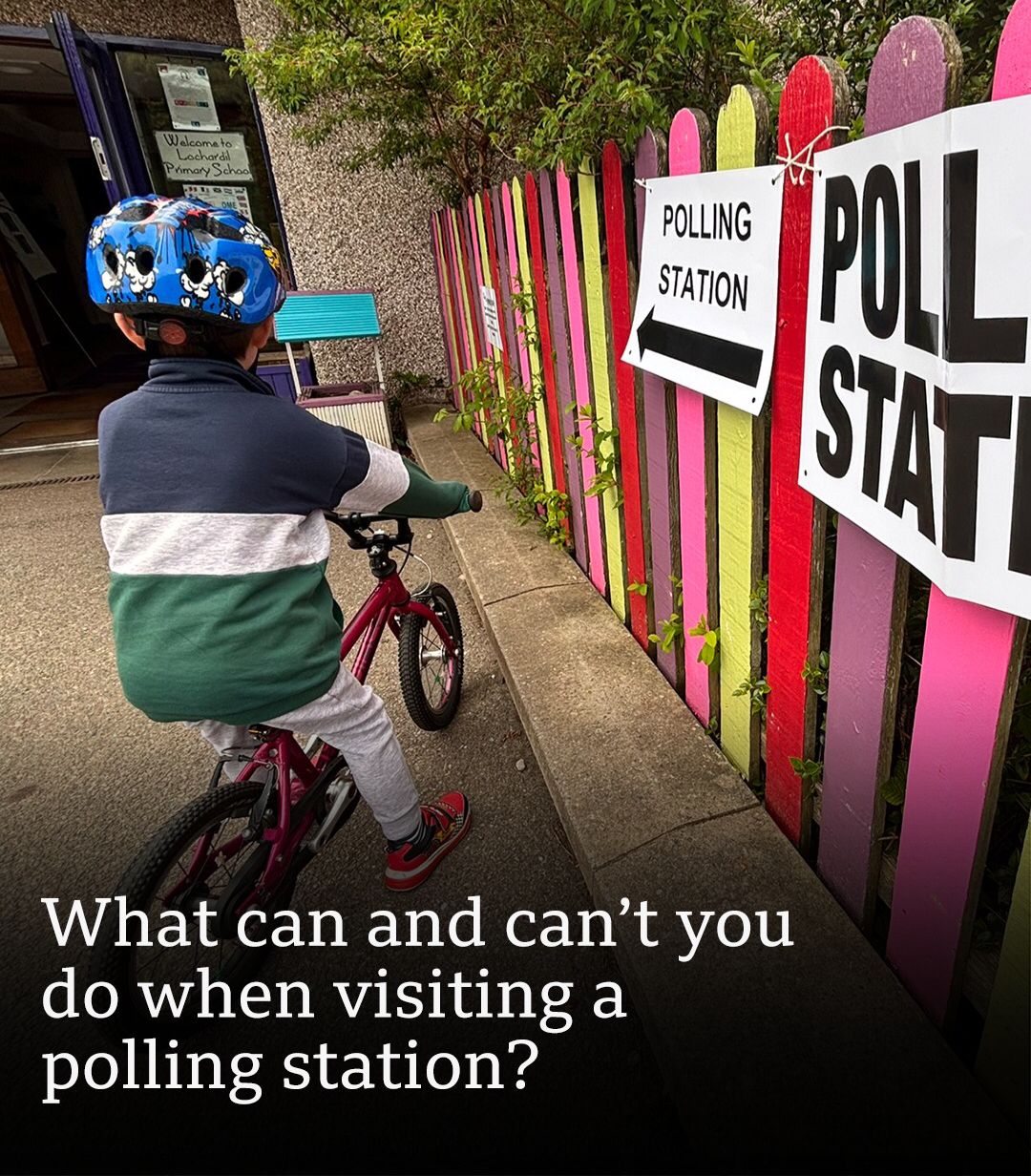
Voters are allowed to wear clothing with political slogans or party colours when going to vote.However, active campaigning inside or immediately around polling stations is strictly forbidden to avoid influencing others. Once you have voted, you are expected to leave the area promptly. Children are generally welcome at polling stations and may accompany parents or guardians while they vote. However, they are not allowed to interfere with the voting process or mark the ballot paper. Election staff may allow them into the booth, but the vote must remain confidential and controlled by the eligible voter.
Voters are legally allowed to vote even if they have been drinking alcohol.
However, polling staff can refuse entry or delay voting if a person appears too intoxicated to understand or complete the process properly. This ensures the integrity of the voting process is maintained.
- Voter secrecy
- Electoral fairness
- Safety and order
- Freedom from influence or intimidation
While voting is a simple civic right, election officials stress that following these rules helps ensure every vote counts properly and securely.