Pope Francis’s Final Wish To Turn Vehicle Into Gaza Children’s Mobile Clinic
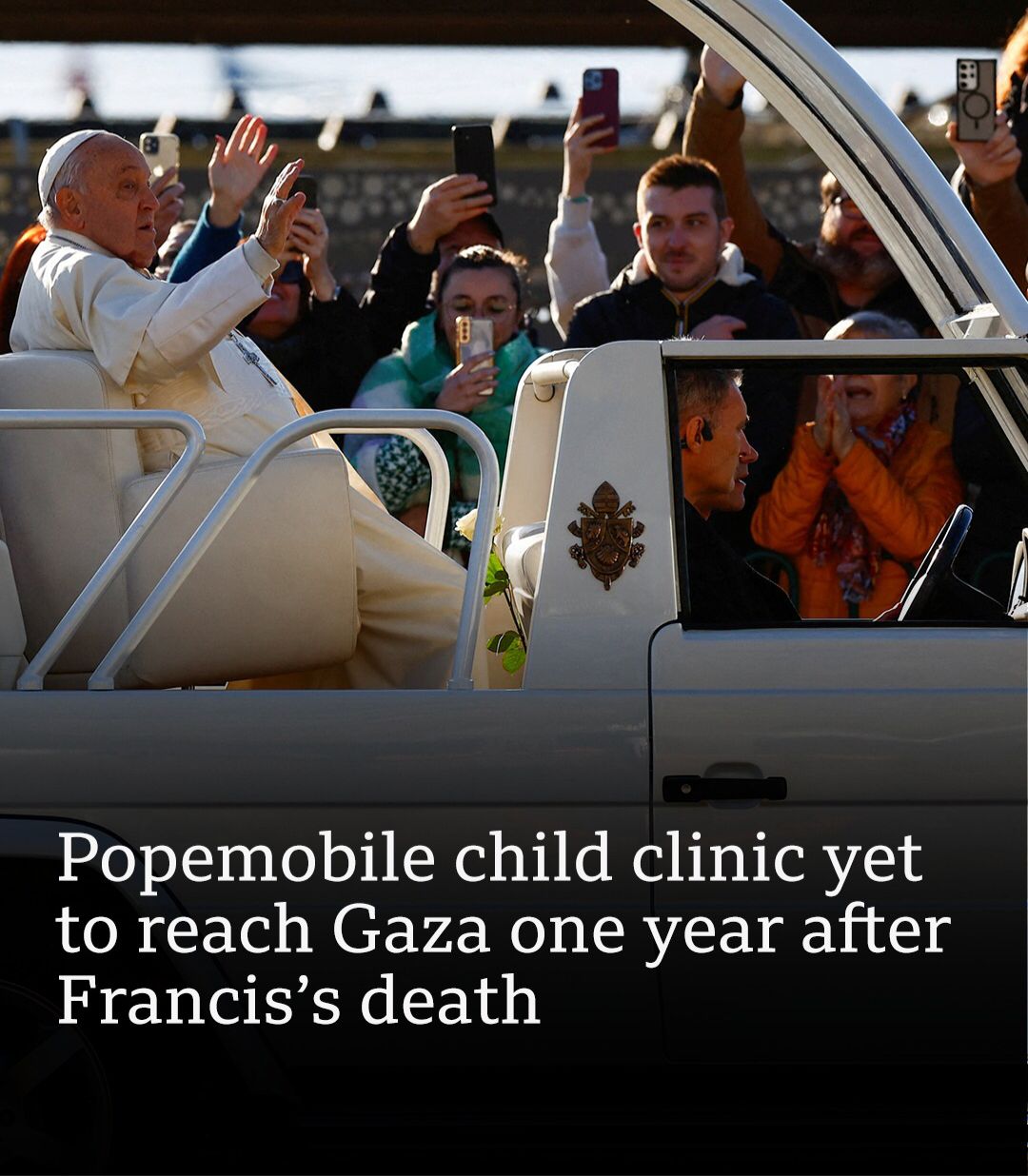
Pope Francis’s Final Wish to Turn Vehicle into Gaza Children’s Mobile Clinic Faces Entry Permit Delay One of the final wishes of Pope Francis to convert his personal vehicle into a mobile medical clinic for children in Gaza remains unfulfilled as a charity involved in the project is still awaiting permission to bring the vehicle into the territory. According to reports, the late pontiff had expressed a desire for his vehicle, often referred to as the “Popemobile,” to be repurposed into a mobile healthcare unit to assist children affected by the ongoing humanitarian crisis in Gaza. The initiative aims to provide essential medical care, including emergency treatment and routine health services, to vulnerable children displaced or injured during the conflict. Aid workers say the plan reflects Pope Francis’s longstanding concern for civilians in Gaza, whom he frequently mentioned in his public appeals for peace and humanitarian relief. However, despite preparations by a humanitarian charity tasked with implementing the project, the vehicle has yet to enter Gaza because the organisation is still waiting for an official entry permit from authorities controlling access to the enclave. Humanitarian groups say the delay underscores the logistical and political challenges facing relief operations in Gaza, where strict entry controls, security concerns, and ongoing hostilities continue to hamper aid deliveries. Throughout his papacy, Pope Francis repeatedly called for a ceasefire and emphasized the need to protect civilians, especially children caught in conflict zones. He maintained close contact with Gaza’s small Christian community and consistently highlighted the deteriorating humanitarian situation there. Aid officials hope the mobile clinic project will eventually proceed, describing it as both a symbolic and practical continuation of the pope’s humanitarian legacy Gaza has faced severe shortages of medical supplies, infrastructure damage, and limited access to healthcare facilities amid prolonged conflict, leaving humanitarian agencies struggling to meet growing medical needs.