Petrol, Diesel Prices Soar After US–Israel Strikes On Iran, Raising Global Cost
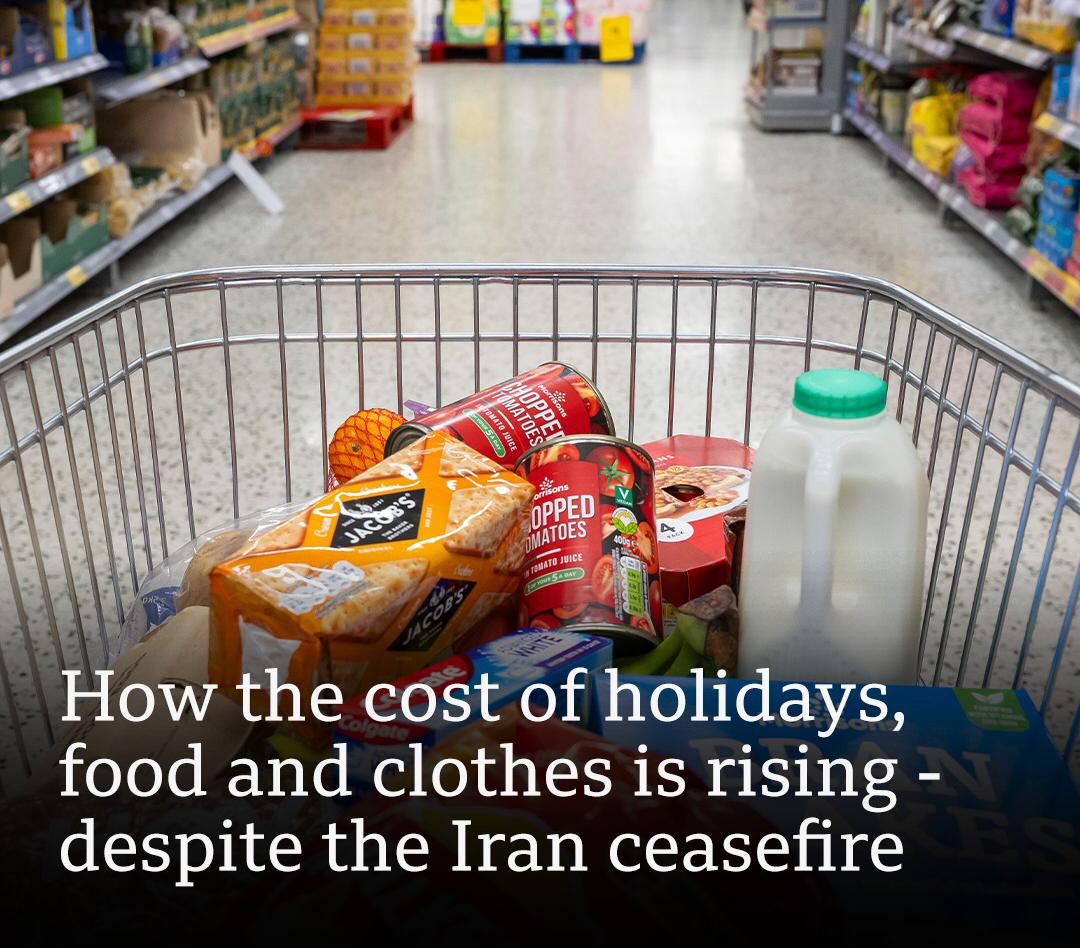
Petrol, Diesel Prices Soar After US–Israel Strikes on Iran, Raising Global Cost-of-Living Fears Experts warn higher fuel costs could push up prices of food, holidays and clothing worldwide as energy markets react to Middle East tension Petrol and diesel prices have surged globally following wide-ranging military strikes on Iran by the United States and Israel, sparking warnings that households could soon face rising costs for everyday goods including food, travel and clothing Energy markets have reacted sharply to the escalating conflict in the Middle East, with oil and gas prices climbing amid fears of supply disruptions. Analysts say the strikes and subsequent instability in a region responsible for a significant share of global oil exports have driven up wholesale fuel costs, which are now filtering through to consumers. The rise in fuel prices is already being felt at petrol stations, where drivers are paying significantly more for petrol and diesel compared with levels before the conflict began. Market uncertainty and concerns about shipping routes such as the Strait of Hormuz a critical passage for global oil transport have intensified pressure on energy supplies.
Economists warn that higher fuel prices rarely remain limited to transport alone. Because fuel powers logistics, manufacturing and agriculture, increased energy costs often trigger wider inflation across economies. Food prices are particularly vulnerable. Rising oil costs increase transportation, refrigeration and farming expenses, contributing to noticeable increases in grocery prices, especially for imported and perishable products.
The travel sector is also expected to feel the impact. Airlines and holiday operators face higher aviation fuel bills, which could lead to more expensive airfares and holiday packages if elevated oil prices persist. Retail goods, including clothing, may also become more expensive as manufacturers absorb higher production and shipping costs linked to energy price spikes. Financial analysts say the situation highlights how geopolitical conflicts can quickly translate into everyday economic pressure. Oil prices have already risen sharply since hostilities escalated, fuelling concerns about a renewed global cost-of-living squeeze. Experts caution that even if tensions ease, consumers may not see immediate relief because wholesale fuel price changes typically take weeks to affect pump prices and retail costs. With markets closely monitoring developments in the Middle East, economists warn that prolonged instability could sustain higher inflation worldwide. Governments and central banks are expected to track fuel prices closely as they assess potential economic fallout. For households, the warning is clear: higher petrol and diesel costs today could soon translate into more expensive shopping bills, holidays and everyday essentials.