PETER OBI I’M RUNNING FOR PRESIDENT IN 2027
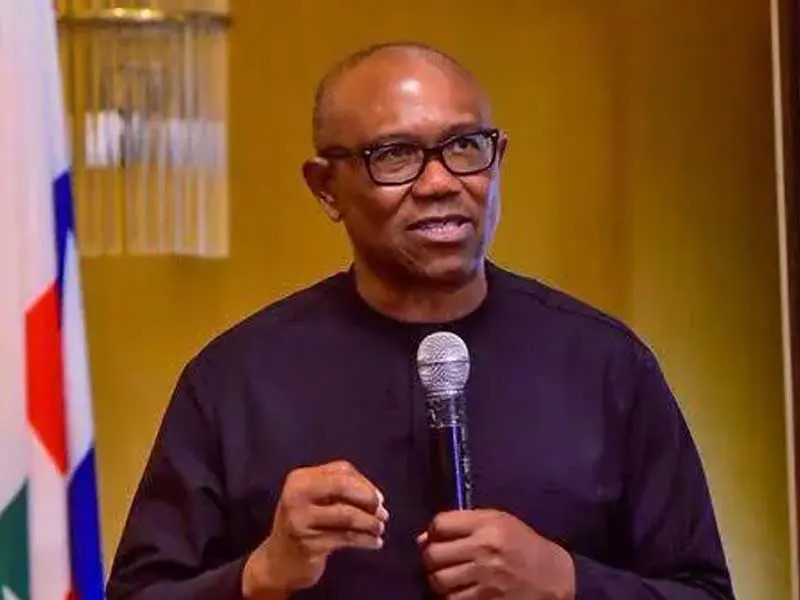
PETER OBI: I’M RUNNING FOR PRESIDENT IN 2027; TINUBU SPENT 23 DAYS ABROAD IN JANUARY
Abuja / Nationwide, Nigeria (Feb 3, 2026) Former presidential candidate Peter Obi has officially declared his intention to contest the 2027 presidential election, reprising his national political ambition while sharply criticising President Bola Ahmed Tinubu for what he describes as excessive foreign travel amid mounting crises at home.
Obi a leading opposition figure and former governor of Anambra State made the declaration during a campaign engagement in the Federal Capital Territory (FCT) where he also rallied for local support ahead of upcoming elections. Speaking to supporters, Obi said he is “involved and contesting the coming election as number one,” emphasising that his campaign aims to translate grassroots support in local elections, such as the Abuja Municipal Area Council (AMAC) polls, into broader national momentum. He reaffirmed that he will seek the top ticket, rejecting speculation that he might accept a running mate role. Obi and his supporters have fostered political dialogue around a potential Obi–Rabiu Kwankwaso ticket, but Obi maintained his focus on being the presidential candidate. Obi also vowed to serve only a single four-year term if elected, framing his run as grounded in principles of accountability and reform rather than ambition for extended tenure.
In a separate social media statement titled “A Distressing January for Nigeria,” Obi criticised President Tinubu’s prolonged absences from the country in January, saying the president spent 23 days abroad across two trips while pressing domestic issues worsened.
Began the year overseas and returned on January 17.
Departed again on January 26 for an official trip to Türkiye, where he remained through January 31, cumulatively spending 23 days abroad.
Obi questioned the urgency of these foreign engagements given Nigeria’s deepening security, economic, and infrastructure challenges. He said the president’s frequent travel often appears aimed more at political rallies and welcoming defectors into the ruling party than addressing urgent governance needs. In his January critique, Obi outlined a litany of concerns facing Nigeria:
A surge in insecurity with killings, kidnappings, and abductions affecting communities nationwide. Food shortages and rural poverty worsened as farmers stay off fields due to insecurity. Education setbacks, with children out of school due to insecurity and teacher strikes. Two grid collapses in January alone, compounding electricity supply challenges. Obi said these developments painted “a grim portrait of a nation grappling simultaneously with insecurity, economic distress, failing infrastructure, and profound social upheaval.” He contrasted this with what he described as political class focus on electioneering rather than problem-solving. Obi’s announcement comes amid evolving opposition party alignments ahead of the 2027 cycle. After the 2023 election, Obi joined a coalition anchored by the African Democratic Congress (ADC), though internal debates have emerged about his party identity and long-term strategy ahead of 2027.
ADC officials have urged supporters to avoid inflammatory rhetoric and stress unity as the party prepares for future electoral contests.
Meanwhile, figures from other political formations including calls from the Peoples Democratic Party (PDP) leadership for Obi to return reflect the broader realignments and coalition discussions shaping Nigeria’s opposition landscape. Obi’s declaration intensifies early competition for the 2027 presidential election, positioning him as a central opposition contender. His critique of Tinubu’s travel patterns underscores growing political friction over governance priorities and leadership focus. The exchange reflects wider public frustration over insecurity, infrastructure decline, and economic pressures that remain dominant national issues. Obi’s campaign branded around accountability, fiscal responsibility, and national renewal will likely feed into broader debates about governance direction as Nigeria heads toward the 2027 polls.