Northern Ireland To Become First In UK To Introduce Graduated Driver
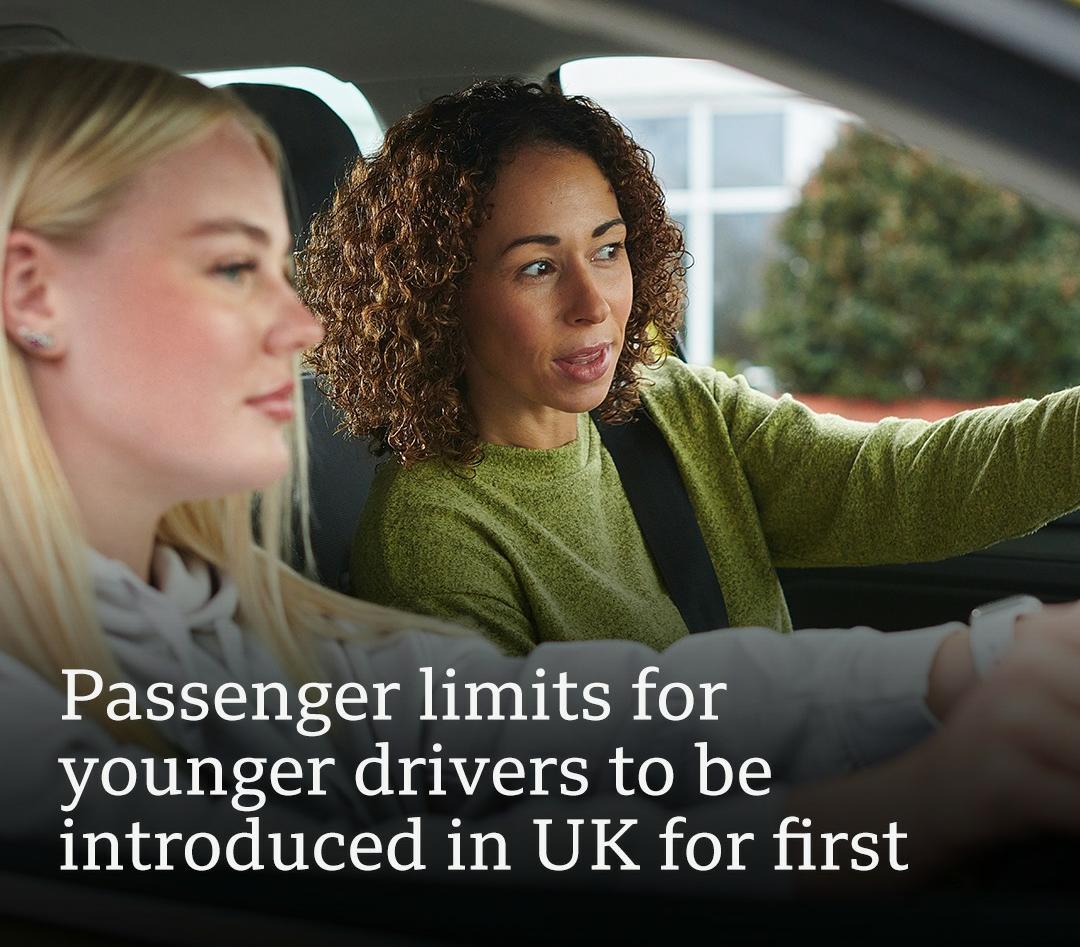
Northern Ireland to Become First in UK to Introduce Graduated Driver Licensing for Learners
Major new rules aimed at boosting road safety historic licence overhaul announced Northern Ireland’s government has confirmed plans to introduce a graduated driver licensing (GDL) system, making it the first part of the United Kingdom to implement these sweeping changes for learner and newly qualified drivers. The reforms are set to take effect in October 2026 and are being described as the most significant updates to driver licensing and testing in nearly 70 years.
GDL is a structured approach to learning to drive and early post-test driving, designed to reduce the involvement of new and young drivers in serious road collisions. It introduces a staged process with specific training, testing and post-test restrictions, bringing Northern Ireland more in line with countries like Australia, Canada and the United States that already use such systems.
Under the proposed GDL scheme, new drivers in Northern Ireland will face a series of important changes:
- Mandatory Minimum Learning Period
Learner drivers must now hold their provisional licence and complete a structured training programme with instruction recorded in a learner logbook for at least six months before they can take their practical driving test.
Compulsory Training & Logbook
Learners must complete a training programme mapped against set modules and record progress in an official logbook, which must be validated before booking a driving test.
Longer Post-Test Restriction Period
Once a learner has passed, the current 12-month restricted period will be expanded to 24 months. Drivers will have to display a distinctive plate throughout this period.
Night-Time Driving Restrictions
Newly qualified drivers under 24 years old will face a six-month night-time driving restriction, limiting certain driving hours to reduce risks during higher-hazard times.
Passenger Limits for First Months
There will be age-related passenger restrictions for new drivers for the first six months after passing their test for example, limits on carrying young passengers during late night hours, with immediate family exceptions. - Highway Access Changes for Learners
Learner drivers will be allowed onto motorways if accompanied by an approved driving instructor, and when accompanied after passing, they will be permitted to drive up to normal speed limits (removing older lower speed restrictions).
Officials say the changes respond to Northern Ireland’s disproportionate share of serious and fatal road collisions involving young and novice drivers who historically feature more heavily in crashes despite being a smaller share of licence holders. The reforms aim to ensure new drivers build broader skills and safer habits. Infrastructure Minister Liz Kimmins described the package as the most significant reform to licensing and testing in almost seven decades, stressing that it is intended to produce safer drivers and reduce casualties on the roads.
Statistics show that a large proportion of fatal or serious collisions involve young drivers. Northern Ireland’s government cited recent figures showing worrying casualty rates among 17- to 23-year-old motorists, fueling the push for structured learning and post-test
The graduated driver licensing rules have been formally announced and will be implemented from October 2026 after preparations by the Department for Infrastructure. Ahead of full rollout, authorities plan public information campaigns and coordination with driving instructors, police and other stakeholders. Northern Ireland becomes the first UK region to adopt a formal GDL system a policy long used internationally in a bid to reduce young driver risk, improve road safety, and align licence training more closely with international best practice.