NMEP Raises Alarm As Only 44.9% Of Nigerian Children Sleep Under Mosquito Nets
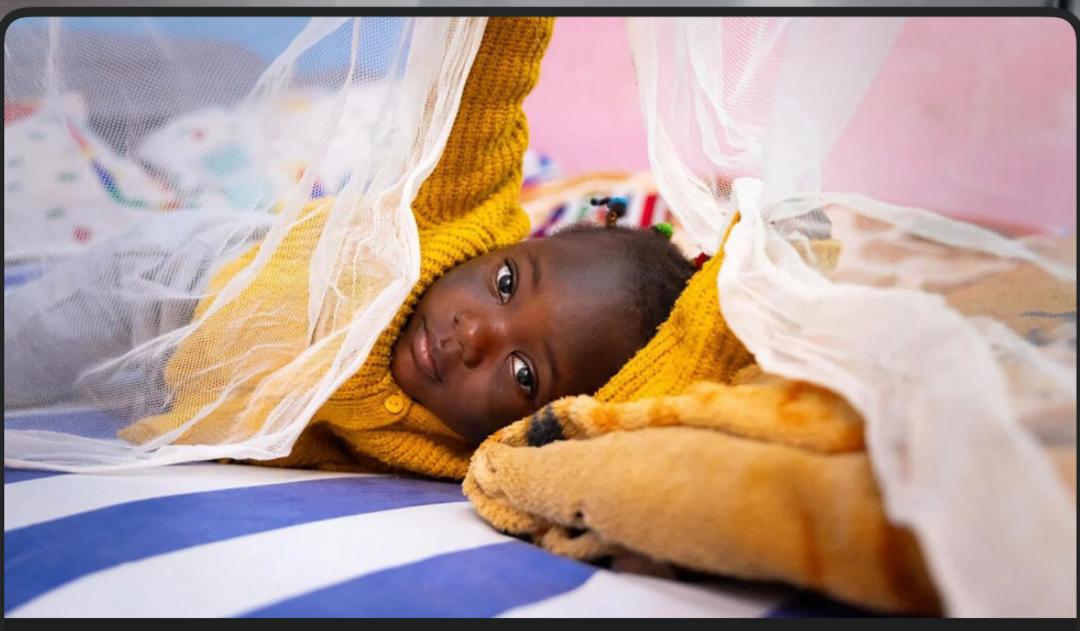
NMEP Raises Alarm as Only 44.9% of Nigerian Children Sleep Under Mosquito Nets Warns 97% Population Still at Malaria Risk National Malaria Elimination Programme urges widespread testing, strict prevention measures and an end to self-medication as experts warn malaria burden remains dangerously high across Nigeria. The National Malaria Elimination Programme (NMEP) has raised concern over low mosquito net usage among Nigerian children, revealing that only 44.9 per cent sleep under insecticide-treated nets (ITNs), while about 97 per cent of the population remains at risk of malaria infection nationwide. According to the Nigeria Malaria Indicator Survey (NMIS) 2025, the low uptake of preventive measures leaves more than half of children exposed to mosquito bites, which continue to drive malaria transmission across the country.
Health officials warned that despite ongoing interventions, malaria remains one of Nigeria’s most persistent public health challenges, particularly affecting children under five and pregnant women.
The NMEP stressed that insecticide-treated mosquito nets remain one of the most effective preventive tools, significantly reducing infection rates and child mortality when properly used. Speaking on prevention efforts, NMEP officials urged Nigerians to adopt a more proactive approach to malaria control, including early testing and proper treatment rather than self-medication.
The programme emphasised that fever should not automatically be assumed to be malaria, warning that improper diagnosis and drug misuse could lead to complications and drug resistance. Health experts further advised that all suspected cases should be confirmed through testing before treatment begins, in line with national guidelines promoting accurate diagnosis and effective case management. The agency expressed concern over widespread self-medication practices, noting that many Nigerians still purchase and consume antimalarial drugs without proper medical consultation or laboratory confirmation. Officials warned that this behaviour not only delays correct diagnosis of other illnesses but also contributes to treatment failure and increasing resistance to malaria drugs. NMEP reiterated key malaria prevention measures, including
Nigeria carries one of the highest malaria burdens globally, with millions of cases recorded annually and a significant share of global malaria-related deaths occurring in the country.
Studies have shown that about 97 per cent of Nigerians are at risk of malaria infection due to widespread mosquito exposure and environmental conditions favourable to transmission. Despite progress in distribution of insecticide-treated nets, usage gaps remain a major challenge, especially in rural and low-income communities where access and behavioural factors limit adoption.
The NMEP warned that Nigeria cannot achieve meaningful malaria reduction without improved net usage, stronger public awareness, and strict adherence to test-based treatment protocols. It called on stakeholders at all levels government, healthcare providers and citizens to intensify collective action toward reducing malaria transmission and preventing avoidable deaths nationwide.