Nigeria’s Aviation Sector Set For Growth As Airlines Expand Fleet, Reforms Drive Lower Airfares
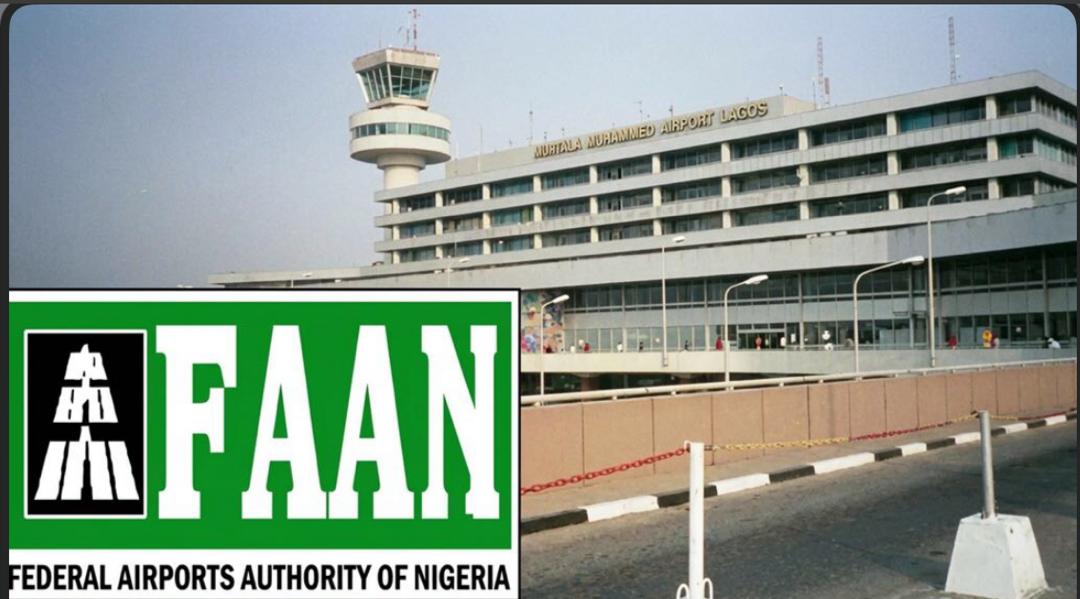
Nigeria’s aviation industry is projected to witness significant expansion as airlines acquire additional aircraft, improve operational capacity, and benefit from ongoing sector reforms aimed at enhancing efficiency and reducing ticket costs nationwide. Industry stakeholders say renewed investments in fleet expansion, improved financing frameworks, and regulatory support are positioning the sector for stronger passenger growth and improved connectivity across the country
Airlines operating within Nigeria have begun strengthening their fleets to meet rising passenger demand and address longstanding capacity constraints. The addition of new aircraft is expected to increase seat availability, improve scheduling reliability, and reduce frequent flight disruptions. Industry analysts note that increased fleet size will enhance competition among carriers, ultimately translating into more affordable fares for travellers.
Several Nigerian carriers have already expanded operations in recent years. For instance, state-backed airlines such as Ibom Air have grown domestic networks since launching operations in 2019, while emerging carriers like Enugu Air continue to scale up aircraft numbers and routes to serve key commercial destinations nationwide. Experts attribute the expected growth to reforms introduced by aviation authorities aimed at improving safety oversight, access to financing, and regulatory efficiency. Government efforts to modernise airport infrastructure, streamline operational processes, and attract investment into the aviation ecosystem are also helping airlines maintain sustainable operations. Stakeholders believe these reforms will strengthen investor confidence and enable operators to secure financing for aircraft acquisition and maintenance. With more aircraft entering service, operators anticipate reduced operational bottlenecks that have historically driven high ticket prices.
Improved fleet availability allows airlines to increase flight frequencies, optimise routes, and minimise delays factors expected to gradually push fares downward as competition intensifies across domestic routes. Industry observers stress that affordability remains essential to expanding air travel penetration in Nigeria, where aviation demand continues to grow alongside business activity and tourism movement.
Nigeria’s aviation market has shown steady recovery and growth following previous operational challenges, with increasing passenger traffic driven by economic activities, urban mobility needs, and regional trade. Airlines such as Max Air and Azman Air continue to operate extensive domestic networks linking major cities, contributing to improved connectivity and market expansion. Experts believe sustained fleet expansion and supportive policies could position Nigeria as one of Africa’s fastest growing aviation markets in the coming years. Industry leaders maintain that continued collaboration between government regulators, airline operators, and financial institutions will be critical to sustaining momentum. If reforms remain consistent and airlines successfully expand capacity, Nigeria’s aviation sector is expected to deliver improved service quality, competitive pricing, and stronger economic contributions nationwide.