Nigeria Petrol Price Drops 15.6% Year-on-Year To ₦1,051.47 NBS
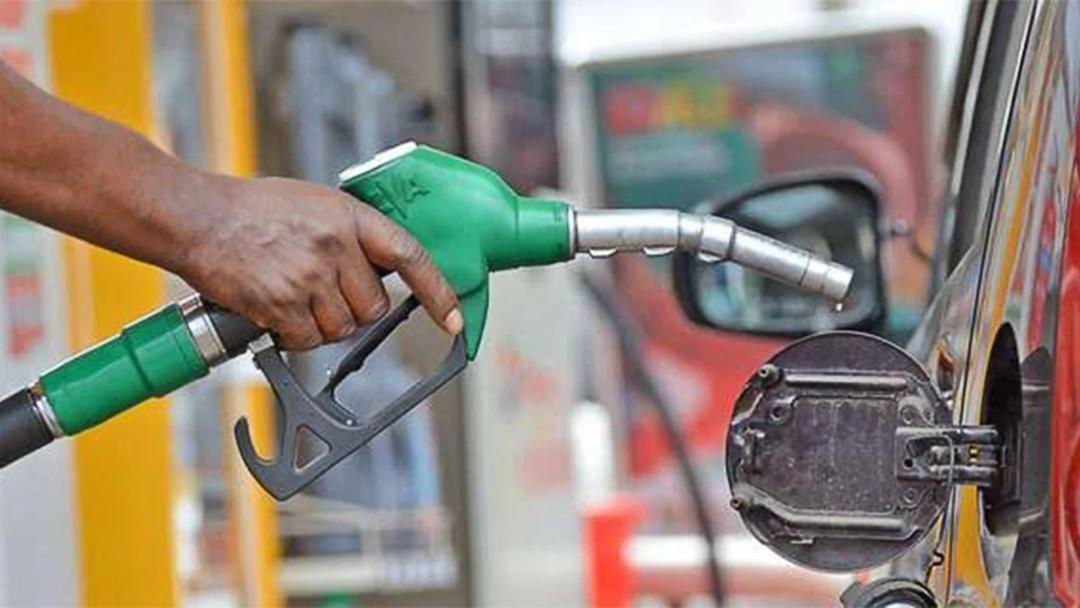
Nigeria Petrol Price Drops 15.6% Year-on-Year To ₦1,051.47 NBS
Nigeria’s average retail price of Premium Motor Spirit (PMS), popularly known as petrol, declined by 15.6 per cent year-on-year to ₦1,051.47 in February 2026, according to the latest data released by the National Bureau of Statistics (NBS). Despite the annual decline, the report showed a 1.62 per cent month-on-month increase, highlighting continued instability in the country’s deregulated fuel market. The NBS stated that petrol prices in February 2026 were lower compared with the same period in 2025, indicating gradual price corrections following earlier spikes linked to subsidy removal, foreign exchange pressures, and supply disruptions. Analysts say the year-on-year reduction suggests improving supply dynamics and relative adjustments in exchange rates and import costs.
However, prices remain significantly higher than pre-subsidy removal levels, continuing to impact household spending and transportation costs nationwide. While annual figures showed improvement, petrol prices rose slightly compared with January 2026, underscoring persistent volatility in Nigeria’s fuel pricing structure.
Energy economists attribute the monthly increase to
- fluctuations in global crude oil prices,
- exchange-rate instability,
- logistics and distribution costs, and
- dependence on imported refined petroleum products.
The mixed trend demonstrates that fuel prices remain sensitive to both domestic policy shifts and international market forces.
The statistics agency also reported significant price differences among states, driven by transportation expenses, supply availability, and regional demand patterns. Typically, states located farther from coastal supply depots or refining hubs recorded higher pump prices compared with major commercial centres.
Petrol prices remain a major driver of Nigeria’s inflation rate, influencing
- transportation fares,
- food prices,
- manufacturing costs, and
- overall consumer purchasing power.
Economists warn that even modest monthly increases can quickly translate into broader economic pressure on households and small businesses. Since the removal of fuel subsidies, Nigeria has transitioned toward a market-determined pricing system. While the policy aims to reduce government expenditure and attract private investment into refining and distribution, consumers continue to experience price fluctuations.
Experts say long-term stability will depend on
- increased local refining capacity,
- improved foreign exchange liquidity, and
- efficient distribution infrastructure.
Industry observers expect petrol prices to remain unpredictable in the short term, particularly amid global geopolitical tensions affecting crude oil supply and energy markets.
The NBS noted that ongoing monitoring of fuel price trends remains crucial, given their direct influence on inflation, economic growth, and living standards across Nigeria.