Nigeria Faces High Ebola Importation Risk, NCDC Places Emergency Operations Centre On Alert Mode
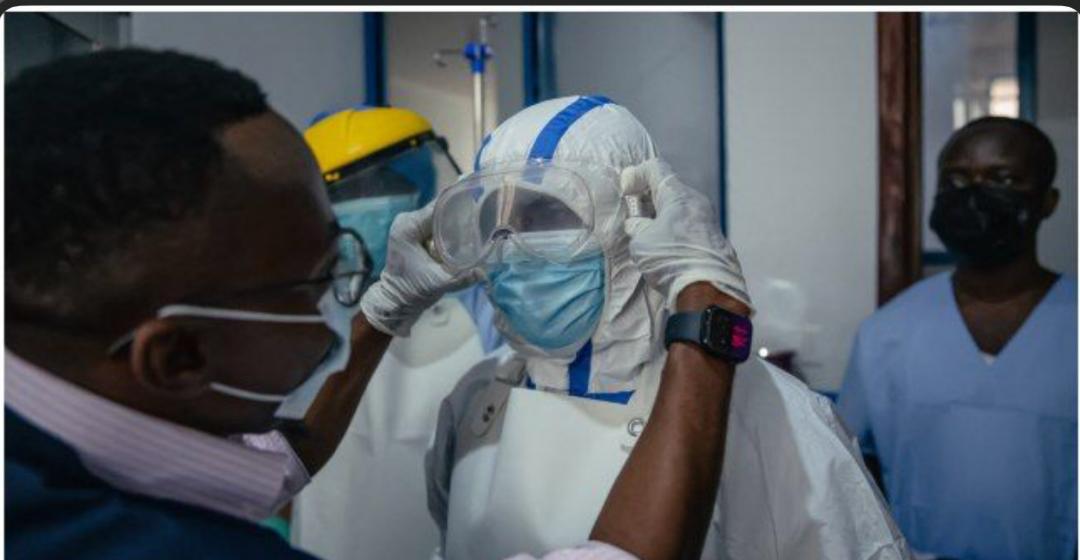
Nigeria Faces High Ebola Importation Risk, NCDC Places Emergency Operations Centre on Alert Mode The Nigeria Centre for Disease Control and Prevention NCDC has warned that Nigeria faces a high risk of Ebola Virus Disease EVD importation, following ongoing outbreaks in the Democratic Republic of Congo DRC and Uganda. As part of preparedness measures, the agency said Nigeria’s national Emergency Operations Centre EOC has been placed on alert mode to strengthen coordination, surveillance, and rapid response capacity across the country. According to the NCDC, its latest risk assessment shows that Nigeria remains vulnerable due to international travel, population movement, porous borders, and delayed symptom detection, especially as Ebola symptoms can resemble other endemic diseases such as malaria and Lassa fever.
The agency noted that while no confirmed Ebola case has been recorded in Nigeria linked to the current outbreak, the regional situation has significantly increased the country’s preparedness level.The NCDC said the Incident Management System (IMS) has also been activated alongside the Emergency Operations Centre to improve coordination of surveillance and outbreak response activities. It added that epidemiologists and Rapid Response Teams (RRTs) are on standby for immediate deployment to any state where a suspected case is detected. Health authorities also confirmed that high-risk states, border communities, major transport hubs, and international points of entry have been identified for intensified monitoring.The agency stressed that Nigeria has strengthened its epidemic preparedness since the 2014 Ebola outbreak, including
- Functional Emergency Operations Centres EOCs
- Trained Rapid Response Teams
- National reference laboratories
- Viral haemorrhagic fever response systems
- Risk communication and public awareness structures
These systems, it said, are being leveraged to ensure rapid detection and containment if any imported case emerges. The NCDC urged Nigerians not to panic but to maintain basic hygiene practices, including frequent handwashing and avoiding contact with suspected bodily fluids of ill persons. It also advised travellers arriving from affected countries to monitor their health for up to 21 days and immediately report symptoms such as fever, vomiting, weakness, or unexplained bleeding. The agency further cautioned against the spread of misinformation, warning that rumours could undermine preparedness efforts and cause unnecessary fear. According to the NCDC, public awareness campaigns and disease surveillance systems have been intensified nationwide to support early detection and response. The agency also said it is working with healthcare workers, state epidemiologists, and international partners to ensure Nigeria remains fully prepared for any potential outbreak. While reaffirming that Nigeria remains Ebola-free, the NCDC emphasized that the heightened alert level is a precautionary measure driven by regional developments and global health security concerns. It assured Nigerians that all necessary systems are in place to prevent, detect, and respond swiftly to any possible importation of the virus.