NIGERIA CONSIDERS RESUMING PETROL & DIESEL IMPORT PERMITS BY MID‑FEBRUARY AMID SUPPLY PRESSURES
by HEDNEWS on February 6, 2026
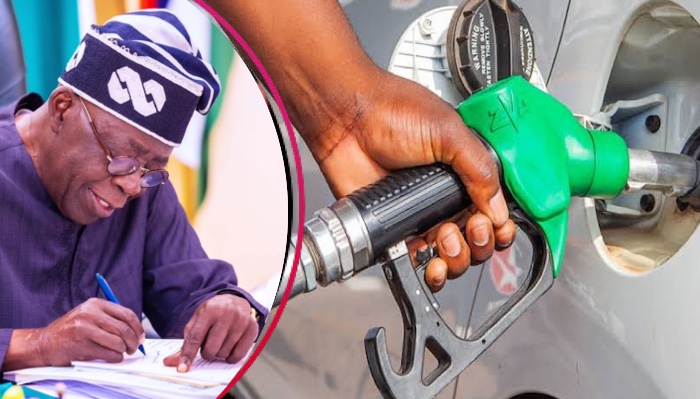
NIGERIA CONSIDERS RESUMING PETROL & DIESEL IMPORT PERMITS BY MID‑FEBRUARY AMID SUPPLY PRESSURES
Federal Government weighs restart of petrol and diesel import approvals to mitigate supply risks as Dangote warns of rising costs and tighter market conditions.
Abuja, Federal Republic of Nigeria Friday, 6 February 2026
Nigeria’s government is considering the resumption of petrol and diesel import permits as early as mid‑February, in what could be the first round of approvals for 2026, according to industry sources and regulatory insights. The move aims to ward off potential supply tightness and balance domestic fuel availability against refining challenges and market price pressures.
- Regulatory Delay and Expected Resumption: Nigeria may restart issuing import licences for petrol and diesel later this month or by early March at the latest, following a temporary halt by the Nigerian Midstream and Downstream Petroleum Regulatory Authority (NMDPRA). This would mark the first 2026 approvals after an initial pause intended to prioritise imports only for refinery shortfalls.
- Leadership Changes Behind Delay: The hold‑up in issuing new permits was partly attributed to leadership shifts at the NMDPRA after the departure of its former chief executive in late December, disrupting internal decision‑making and slowing licence approvals.
- Quarterly Permit Framework: Traditionally, fuel import permits are issued quarterly and remain valid for three months, raising questions about how this timing will be managed when approvals occur mid‑quarter.
- Declining Refinery Throughput: Domestic refining dynamics have shifted, with Dangote Refinery’s crude receipts reported at about 250,000 barrels per day in January down from around 350,000 bpd in December. This represents a 16‑month low and suggests lower run rates that may require import support to avoid shortfalls.
- Maintenance and Unit Outages: Key processing units such as the Residue Fluid Catalytic Cracking (RFCC) unit and Crude Distillation Unit (CDU) have faced maintenance challenges, limiting petrol production and reinforcing the argument for measured import approvals.
- Higher Price Trends: While petrol demand softened over the holiday season, domestic supply has tightened and refinery asking prices have risen. Petrol asking prices reportedly climbed about 14 % to around ₦799 per litre by late January up from previous reductions making imported cargoes more competitive for traders
- Dangote Warning on Costs: Dangote Petroleum Refinery has cautioned that relying on coastal logistics for fuel distribution could push petrol prices close to ₦1,000 per litre if additional costs are passed on to consumers, due to export‑style logistics fees. Coastal transport expenses could add about ₦75 per litre to pump prices and translate to a potential ₦1.75 trillion annual burden on the economy if adopted widely.
- Domestic Supply Gains vs. Logistics Costs: Dangote’s statement underscores the importance of gantry loading a lower‑cost distribution method to contain prices and protect consumers, while highlighting broader logistics challenges in the downstream sector.
- Fuel Affordability Concerns: If import permits are granted and additional supply reaches the market, fuel scarcity fears could ease, but cost implications remain uncertain depending on transport methods and price pass‑through by marketers.
- Diesel Considerations: Although the immediate focus is on petrol, the import permit restart may also apply to diesel, another critical product for businesses, transport and power generation, with domestic refinery output fluctuating.
- Potential Price Volatility: Market participants have already noted higher refinery asking prices and tighter supply conditions that could contribute to fuel price volatility at the pump if imports are delayed further or distribution costs rise.
This development unfolds amid efforts to deepen Nigeria’s refining era particularly with the Dangote Refinery’s operations reshaping the downstream market and regulatory policy shifts that seek to balance local production with strategic imports. Industry observers say that carefully calibrated import approvals may be necessary while domestic refining capacities stabilise and distribution infrastructure improves. - Expected Permit Issuance: Analysts expect NMDPRA to start approvals by mid‑February or early March, effectively restarting fuel import licensing for the first quarter of 2026.
- Price Monitoring: Fuel price trends are likely to be closely watched as new import licences take effect, especially against the backdrop of logistics cost pressures and domestic supply signals.
- Regulatory Updates: Stakeholders including marketers, refineries and government bodies are awaiting official NMDPRA guidance on the scope and conditions of new import permits.
Nigeria’s potential resumption of petrol and diesel import permits reflects ongoing efforts to ensure fuel supply stability as domestic refining dynamics change. While boosting imports could alleviate near‑term supply risks, cost pressures related to logistics and distribution remain central to Nigeria’s fuel market outlook underscoring the complex balance between local refining ambitions and strategic import relians