NHS Study Finds Earlier Care After First Miscarriage Could Prevent Thousands Of Pregnancy Losses
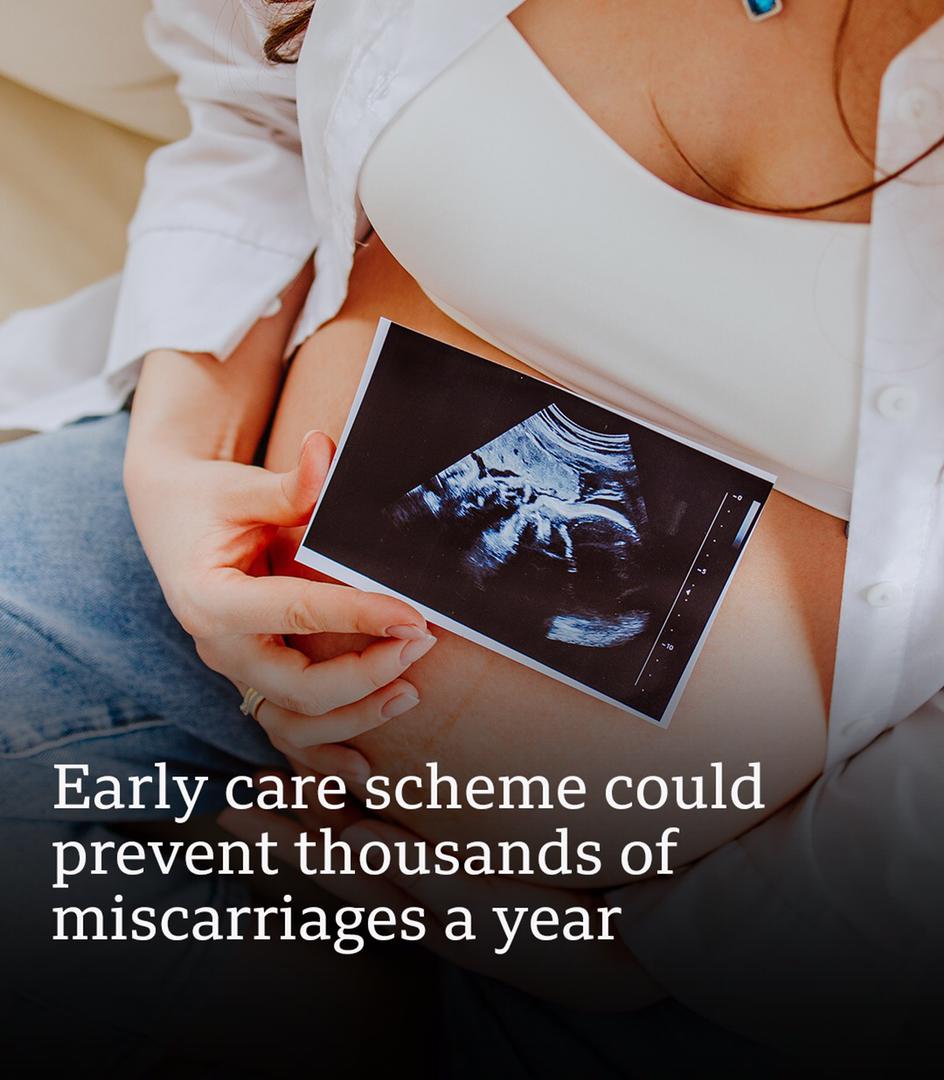
NHS Study Finds Earlier Care After First Miscarriage Could Prevent Thousands of Pregnancy Losses Women in England are currently only eligible for specialist NHS miscarriage investigations after experiencing three pregnancy losses, but a new study suggests that offering care much earlier even after a first miscarriage could significantly improve outcomes and prevent thousands of future losses each year. Researchers say a “graded care model” that introduces support after the first miscarriage has shown promising results, with potential benefits for both patients and the wider NHS system. Under existing NHS guidance in England, Wales and Northern Ireland, women are generally referred for specialist tests only after three miscarriages, a policy that has long been criticised by patient groups and clinicians. However, studies led by researchers at Tommy’s National Centre for Miscarriage Research and Birmingham Women’s Hospital suggest this threshold may be too high, leaving many women without early intervention that could identify underlying medical issues. The research tested a “graded model” of care involving 406 women, where support was introduced much earlier than standard NHS practice.
- Women receiving early care were 4% less likely to miscarry again
- 86% had a potential risk factor identified
- Many previously undiagnosed conditions such as thyroid problems and anaemia were detected early
Scientists estimate that if the model were rolled out nationwide, it could prevent around 10,000 miscarriages annually in the UK.
The graded care approach suggests a step-by-step system
- After 1 miscarriage:
Women receive specialist consultation and lifestyle/health advice (nutrition, smoking, vitamin levels, etc.) - After 2 miscarriages
Blood tests for conditions like thyroid dysfunction and anaemia - After 3 miscarriages
Current full NHS specialist investigation pathway
Researchers say early support can also help identify issues like hormone imbalance and improve future pregnancy planning.
Health researchers argue that delaying investigations until after multiple losses leaves many women without answers during a highly emotional and traumatic period.
They also say earlier intervention could
- Reduce emotional distress and anxiety
- Improve chances of successful pregnancy
- Reduce long-term healthcare costs
Some estimates suggest the approach could save the NHS tens of millions of pounds annually by preventing repeated miscarriages and reducing emergency treatments. Health officials say the findings will be considered as part of ongoing reviews into women’s health and maternity care improvements. Charities such as Tommy’s are urging full adoption of the model across England, Wales and Northern Ireland, noting that Scotland has already begun implementing similar approaches. Miscarriage is defined as the loss of a pregnancy before 24 weeks and is relatively common, affecting around 1 in 4 pregnancies, mostly in the first trimester.