More Than A Year After Woman Froze To Death On Austria’s Highest Mountain
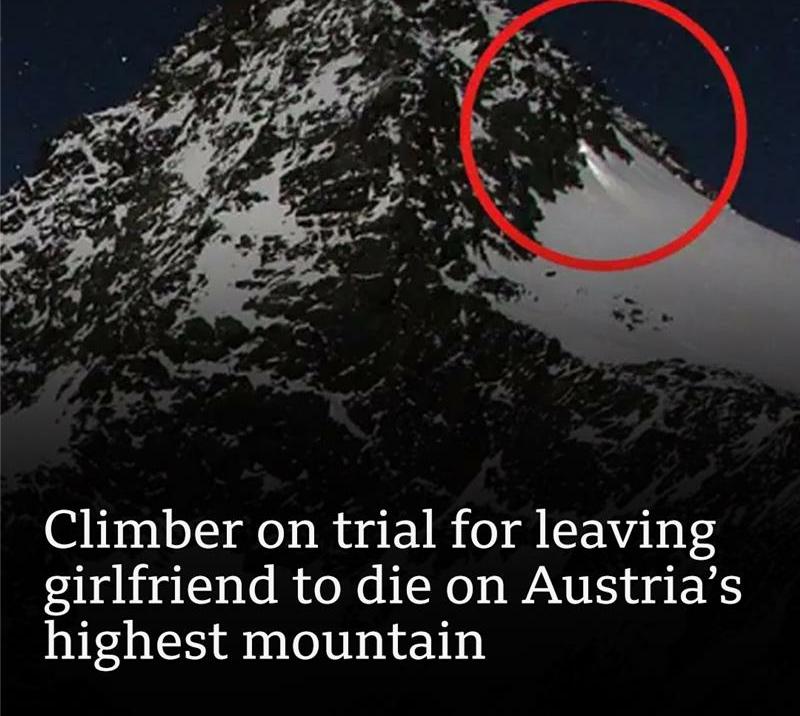
More than a year after woman froze to death on Austria’s highest mountain, her boyfriend goes on trial accused of gross negligent manslaughter Innsbruck, Austria More than a year after a 33 yearold woman sadly froze to death during a winter climb of Grossglockner, her boyfriend has now gone on trial accused of gross negligent manslaughter, in a case that has sparked intense debate about responsibility and risk in extreme mountaineering.
On 19 January 2025, the woman later identified in Austrian media as Kerstin G. died of hypothermia during a winter trek on Grossglockner, a 3,798-metre peak in the Austrian Alps. Prosecutors say she was found alone, exhausted and exposed to sub-zero conditions roughly 50 metres below the summit after her partner descended to seek help. Temperature: around –8 °C (17 °F) with wind chill at about –20 °C (–4 °F).
Winds: gusting up to 74 km/h (45 mph) by night.
Timeline: she was allegedly left alone at around 2 a.m., and found dead the next morning. Prosecutors say their webcam footage and digital records show the pair’s lights on the route as they approached the summit on the evening before the tragedy.
The man, identified as Thomas P. in Austrian reports, stood trial on Thursday in Innsbruck charged with gross negligent manslaughter a serious charge that could carry a sentence of up to three years in prison if convicted.Prosecutors argue that As the more experienced climber and the one who planned the expedition, he should have acted responsibly for his partner’s safety.
He failed to turn back when worsening weather made the climb dangerous. He didn’t call for help early and allegedly turned his phone to silent, delaying rescue coordination.
The pair began the ascent two hours later than advisable and lacked adequate emergency equipment.
The woman was wearing unsuitable gear such as snowboard-style boots for a high-altitude winter climb.
At around 00:35 a.m., he eventually contacted mountain police, but prosecutors say this was too late. His defence led by lawyer Karl Jelinek has described the tragedy as a “tragic accident” and insists the climb was planned jointly and that both believed they were prepared and equipped. The incident has drawn attention beyond the courtroom, particularly within the mountaineering community. Many experts and enthusiasts are debating the questions it raises:
Responsibility: To what extent are climbers responsible for one another on high-risk terrain Experience levels: Should an experienced climber be legally accountable for taking a less experienced partner into extreme conditions
Equipment & decision-making: Were the choice of boots, timing, lack of shelter and late start significant contributors to the tragedy
Some commentators suggest that a guilty verdict could influence future legal standards for mountain safety and companion responsibility, potentially reshaping how liability is viewed in alpine sports. Nine alleged errors in planning and execution from late start times to poor equipment choices. Belief that the defendant was the “responsible guide” for the tour. Claims he didn’t use rescue blankets or adequately shield his partner from cold before leaving her.No early distress call was made, even when a police helicopter reportedly passed overhead. Both climbers had discussed and agreed to the ascent, and believed they were well prepared. Sudden exhaustion of Kerstin near the summit was unexpected, and the defendant’s actions were efforts to seek help. They challenge some of the prosecution’s timeline.
The case has become a focal point for broader discussions about risk, preparation and legal duty of care in adventure sports particularly in severe alpine conditions. Whether the court finds the defendant guilty or not, the trial is being watched by climbers and legal experts alike for the precedent it may set about how far personal accountability extends in shared high-risk pursuits