Marine Litter Threatens Nigeria’s Blue Economy As Experts Warn Of Risks To Fisheries, Tourism And Maritime Trade
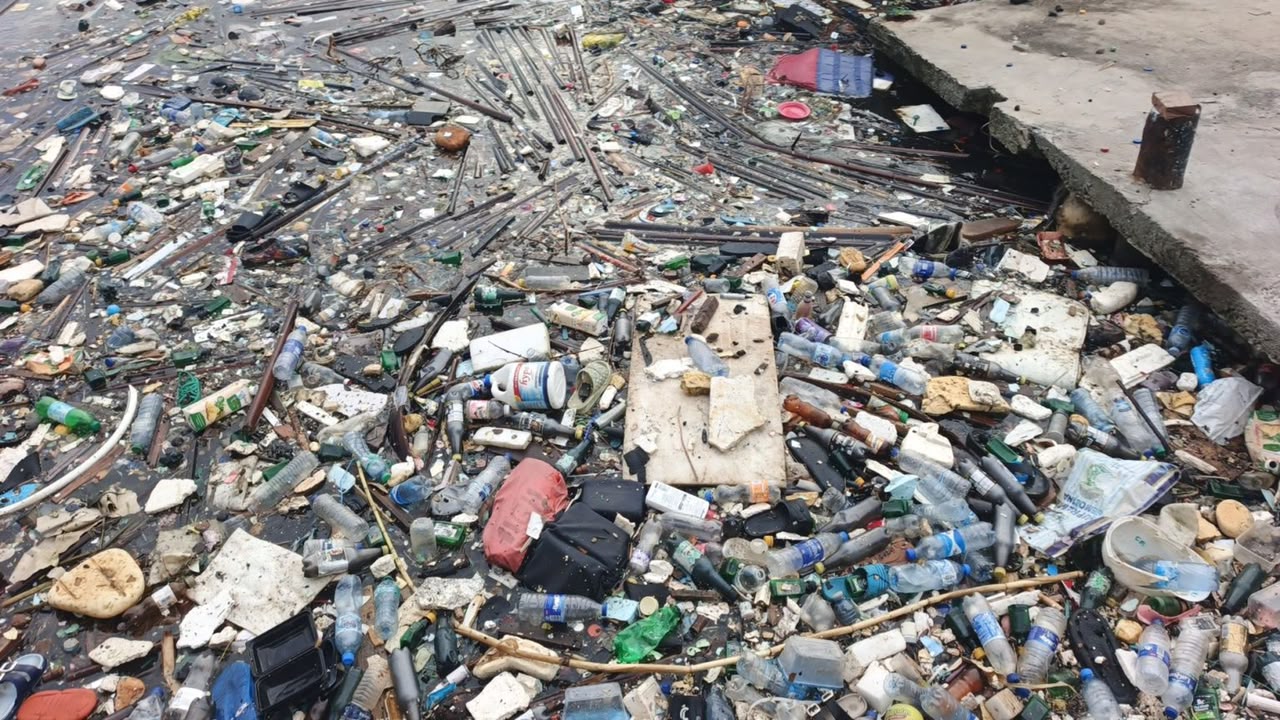
Marine Litter Threatens Nigeria’s Blue Economy as Experts Warn of Risks to Fisheries, Tourism and Maritime Trade Experts have raised concerns that increasing levels of marine litter, particularly plastic waste, are posing a serious threat to Nigeria’s blue economy, endangering key sectors such as fisheries, tourism, shipping and broader maritime trade. The warning comes amid growing evidence that plastic pollution and poorly managed waste systems are steadily degrading coastal and inland waterways across the country, reducing the economic and ecological value of marine resources that underpin Nigeria’s long-term development ambitions. Nigeria’s blue economy framework focused on the sustainable use of ocean and coastal resources for economic growth and job creation depends heavily on healthy marine ecosystems. However, experts say persistent pollution is undermining this potential, with plastic waste identified as one of the most damaging and widespread contaminants in marine environments. According to maritime and environmental research, marine litter does not only degrade water quality but also disrupts marine ecosystems by harming fish populations, destroying habitats and introducing toxic materials into the food chain. These impacts directly affect fisheries productivity and coastal livelihoods that depend on stable aquatic ecosystems. Analysts warn that tourism is also taking a hit, as polluted beaches and waterways reduce Nigeria’s attractiveness as a coastal destination. In addition, shipping and port operations face operational risks from floating debris, which can damage vessels and increase maintenance costs, thereby affecting trade efficiency. Environmental experts note that plastic waste in oceans can entangle or be ingested by marine animals, leading to injury, starvation and death, while also enabling the spread of invasive species across ecosystems. These disruptions further weaken biodiversity and reduce the resilience of marine life. Beyond ecological damage, stakeholders say marine litter has significant economic consequences. It increases cleanup costs, reduces fish catch volumes, disrupts aquaculture operations and weakens investor confidence in coastal industries. In many cases, it also exacerbates unemployment in fishing communities already struggling with declining resources. Research on Nigeria’s coastal zones shows that marine debris accumulation particularly plastics from land-based sources remains a dominant challenge due to inadequate waste management infrastructure, weak enforcement of environmental regulations and limited public awareness. Experts further warn that without coordinated intervention, Nigeria risks undermining the full potential of its blue economy, which is seen as a key pillar for economic diversification, job creation and sustainable growth. Stronger policy enforcement, improved waste management systems and greater stakeholder collaboration are being recommended as urgent priorities. The establishment of the Ministry of Marine and Blue Economy has been highlighted as a step toward addressing these challenges, but analysts stress that implementation gaps and weak institutional coordination must be addressed to achieve meaningful impact. As Nigeria seeks to expand its maritime economy, stakeholders insist that tackling marine litter is no longer optional but essential to safeguarding fisheries, protecting tourism assets and ensuring the long-term viability of maritime trade.