Major Power Outage Across Nigeria
Major Power Outage Across Nigeria
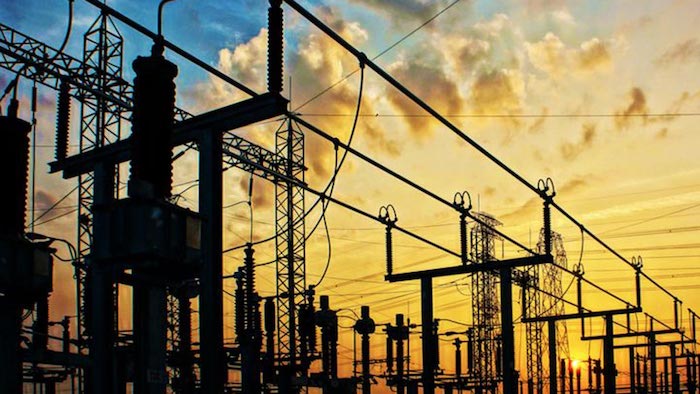
Nigeria’s national electricity grid collapsed again on Tuesday morning, cutting power supply across the country and triggering a widespread blackout the second nationwide grid failure in less than five days. The scale and timing of this latest collapse have ignited public frustration and renewed scrutiny of the nation’s struggling power infrastructure.
According to the Nigerian Independent System Operator (NISO), electricity generation plunged to around 39 megawatts (MW) before dropping completely to zero load allocation for all 11 electricity distribution companies (DisCos) by about 11:00 a.m. local time.
With load allocation at 0 MW, no DisCo was supplying electricity to customers nationwide at the peak of the incident.
This follows a previous grid collapse on January 23, 2026, and comes after a similar blackout on December 29, 2025, indicating persistent instability in the grid system. Homes, businesses, markets, hospitals, public services and industries across major cities including Lagos, Abuja, Ibadan, Kano, Port Harcourt, Enugu and Jos were affected as electricity supply was cut off nearly nationwide due to the second major grid failure in one week.
Preliminary operational reports indicate the outage was linked to a system-wide disturbance involving the simultaneous tripping of several high-voltage transmission lines and the disconnection of some grid-connected generating units. Engineers say such disturbances can destabilise the entire interconnected network and cause abrupt shutdowns. Electricity distribution companies acknowledged the collapse and said restoration efforts were underway in coordination with the Transmission Company of Nigeria (TCN) and other stakeholder At the time of reporting, official statements on the precise technical cause and expected timelines for full restoration were still pending from grid authorities. Nigeria’s power grid has been collapsing repeatedly in recent years, with multiple system failures recorded in 2024 and late 2025, raising deep concerns about the resilience and reliability of the electrical infrastructure.
Experts and stakeholders continue to call for urgent investment in infrastructure upgrades, automation, real-time monitoring, and preventive maintenance to reduce the frequency of grid collapses.
Households and commuters were plunged into darkness during work and peak hours, affecting daily routines and safety.
Businesses and industries reliant on grid power faced operational disruptions, pushing many toward costly generators.
Public services, including healthcare and transportation, were compromised where backup power systems were unavailable or overstretched. Repeated outages underscore persistent energy insecurity in Africa’s most populous country.
Authorities are expected to provide a detailed post-incident analysis once investigations conclude. Meanwhile, restoration efforts are ongoing, and grid operators are under pressure to stabilise Nigeria’s electricity system to prevent further collapses and build confidence among consumers and investors.