Kwankwaso Resigns From NNPP, Cites Strategic Realignment Amid Shifting Political Landscape
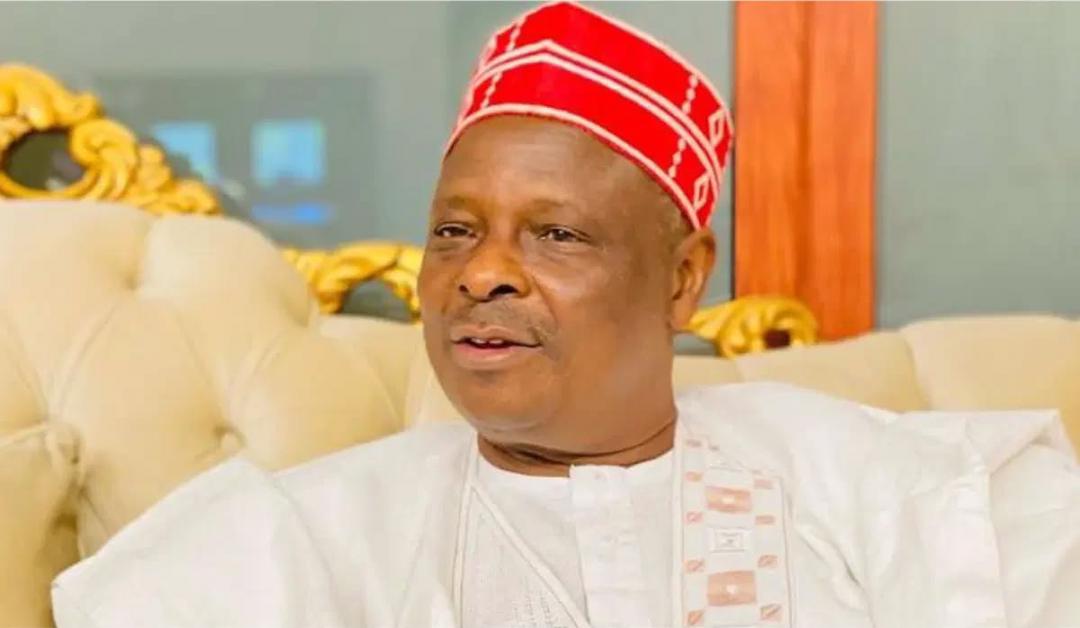
Kwankwaso Resigns from NNPP, Cites Strategic Realignment Amid Shifting Political Landscape Veteran Nigerian politician Senator Rabiu Musa Kwankwaso, former Governor of Kano State and the 2023 presidential candidate of the New Nigeria People’s Party (NNPP), has formally resigned from the party, citing a need for strategic realignment in response to Nigeria’s evolving political environment. In a statement personally signed on March 29, 2026, Kwankwaso said his decision to exit the NNPP where he previously served as both National Leader and flagbearer in the 2023 general elections took immediate effect. The move marks the end of his formal ties with the party he helped build.
“I wish to formally announce my resignation from the New Nigeria People’s Party (NNPP) with immediate effect,” Kwankwaso declared, describing his departure as a difficult but necessary step given the current political trajectory in the country.
Explaining the rationale behind his exit, the former defence minister emphasized the shifting political landscape in Nigeria, which he believes necessitates a realignment with a platform that offers a better opportunity to drive national change and effectively reposition his political career. “Considering the current trajectory of the nation’s political landscape, which calls for strategic realignment, I have found it necessary to identify with another political platform that offers the best opportunity to effectively change the nation,” he stated. While Kwankwaso did not officially name the new platform in his statement, reports indicate that he is expected to formally defect to the African Democratic Congress (ADC), with ceremonies anticipated to take place in Kano. Supporters and key figures of the ADC have already begun arriving in the state ahead of the likely transition. Kwankwaso used his resignation announcement to extend heartfelt thanks to the leadership and members of the NNPP, particularly National Chairman Ajuji Ahmed, the National Working Committee, Board of Trustees, and party executives at all levels, for their support during his tenure. He also acknowledged the dedication of the Kwankwasiyya Movment and its members, expressing optimism about continued collaboration toward a “better and more prosperous future” for Nigeria Kwankwaso’s resignation comes at a time of wider political flux in Nigeria, with multiple figures reportedly exploring cross‑party alliances ahead of the 2027 general elections. His pivot to a new platform particularly one seen as part of opposition coalitions may shape the balance of forces among Nigeria’s major political blocs.
For now, his immediate next step appears poised to be formal registration with the ADC, which could herald further defections and influence opposition strategies in the run‑up to the next presidential contest.