King’s Visit Reminds America Of Democratic Values Amid Global Uncertainty Analysis
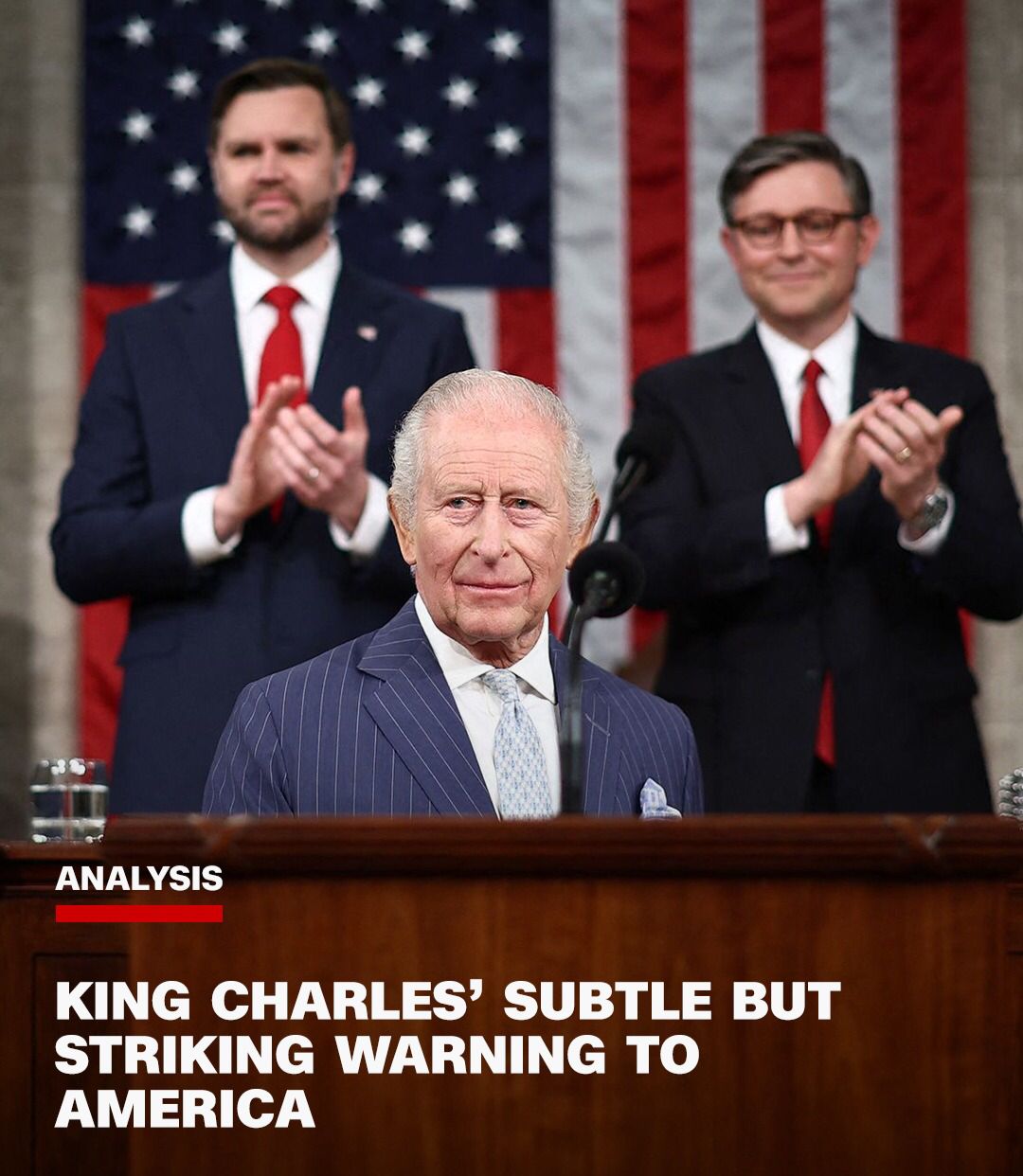
King’s Visit Reminds America of Democratic Values Amid Global Uncertainty Analysis In what has been described as a symbolic moment during a turbulent political era, Britain’s monarch used a high-profile visit to the United States to highlight the enduring principles of democracy, the rule of law and international cooperation,The analysis argues that at a time marked by political polarization and global instability, it took a visiting king to underscore the republican ideals upon which the United States was founded values rooted not in monarchy, but in democratic governance and constitutional order. Collinson notes that the royal visit carried deeper political meaning beyond traditional diplomatic pageantry. The monarch’s speeches emphasized shared democratic traditions between Britain and America, highlighting respect for institutions, peaceful governance and adherence to the law. According to the analysis, the moment served as a reminder of America’s historical role as a global democratic example a position increasingly challenged by domestic political tensions and rising authoritarian trends worldwide. Rather than interfering in American politics, the monarch’s message subtly reinforced democratic norms and international alliances that have long defined Western cooperation. The analysis suggests that the United States is navigating a “new age of revolt,” marked by ideological divisions, mistrust in institutions and debates over the future of democracy. Collinson argues that America’s global credibility depends not only on military or economic power but also on its ability to demonstrate democratic stability at home. The king’s remarks, therefore, resonated as both praise and caution celebrating democratic traditions while implicitly urging their protection. A central theme of the analysis is America’s influence through example rather than dominance. The United States historically inspired democratic movements worldwide by projecting constitutional governance, civil liberties and alliances grounded in shared values. Collinson writes that reaffirming these principles is vital as geopolitical rivalries intensify and democratic norms face pressure in multiple regions. The royal visit, he concludes, illustrated how longstanding allies can play unexpected roles in reinforcing democratic ideals during uncertain times. The commentary also reflects on the enduring transatlantic partnership between the United States and the United Kingdom, suggesting that symbolic diplomacy can still shape political narratives and public reflection.
While ceremonial in nature, the visit demonstrated how historical relationships continue to influence modern geopolitics and debates about leadership, legitimacy and global responsibility. Collinson’s analysis portrays the moment as paradoxical yet powerful: a monarch reminding a republic of the values that define it. In an era of political upheaval, he argues, reaffirming commitment to democracy, rule of law and international cooperation remains essential to America’s standing at home and abroad.