Kanye West Offers To Meet UK Jewish Community After Wireless Festival Controversy
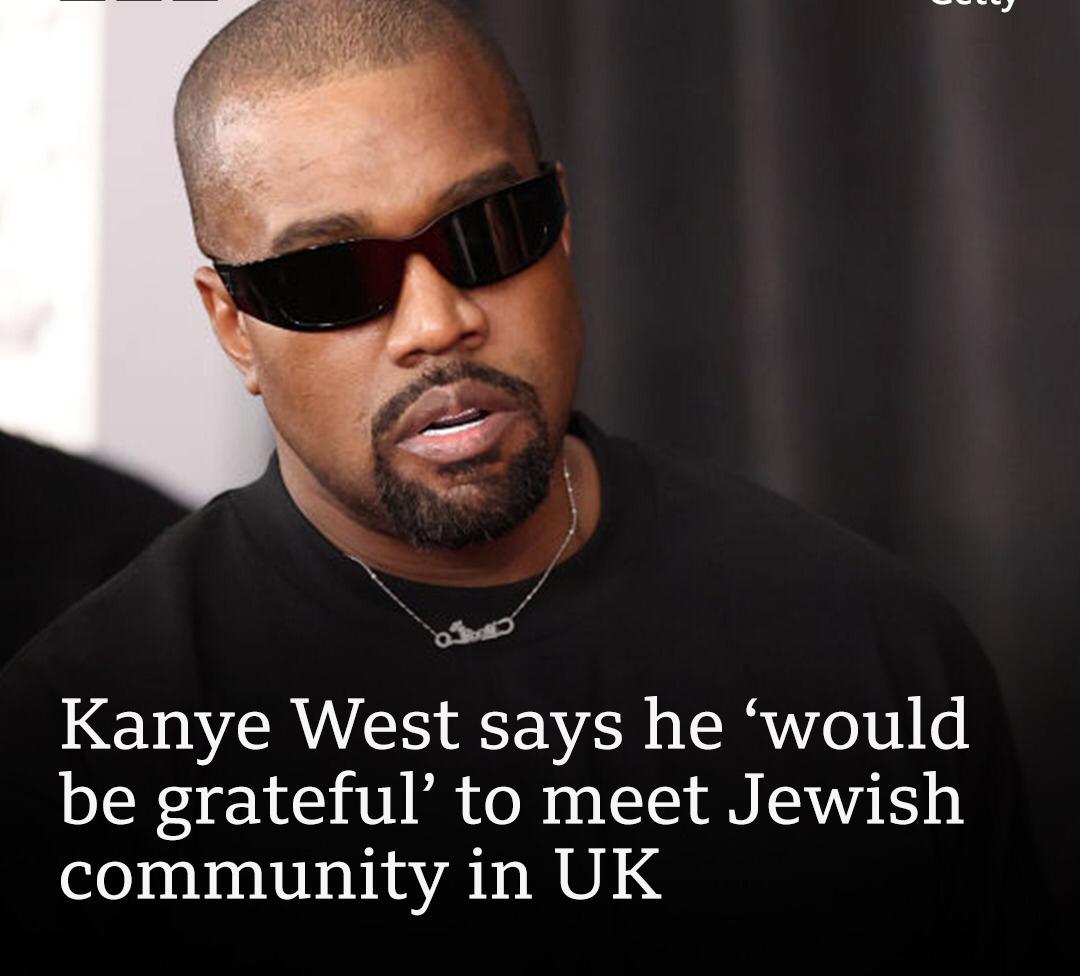
Kanye West Offers to Meet UK Jewish Community After Wireless Festival Controversy American rapper Kanye West, also known as Ye, has said he would be “grateful” to meet members of the Jewish community in the United Kingdom following growing backlash over his headline booking at this year’s Wireless Festival. The controversy erupted after organisers confirmed West as the main headliner for all three nights of the London-based music festival scheduled for July 2026, sparking criticism from politicians, Jewish organisations and sections of the public over the artist’s past antisemitic remarks. In a public statement addressing the uproar, West said he wanted to engage directly with British Jewish leaders and demonstrate genuine change. “I would be grateful for the opportunity to meet with members of the Jewish community in the UK in person, to listen,” the rapper said, adding that words alone were insufficient and that he hoped to show progress through his actions. He emphasised that his goal was to bring “unity, peace and love” through music during his planned performance in London. West’s booking has drawn sharp criticism across the UK political spectrum. Prime Minister Keir Starmer described the decision as “deeply concerning,” while Health Secretary Wes Streeting argued the festival organisers showed poor judgement in inviting the rapper. Critics cite West’s history of antisemitic comments and controversial actions, including praise for Adolf Hitler and the promotion of imagery linked to Nazism, which triggered widespread outrage and calls for his performance to be cancelled or for authorities to deny him entry into the UK.
The fallout has also affected commercial partners, with major sponsors including beverage giant Pepsi and other brands withdrawing support from the festival following the announcement of West as headliner. Despite the backlash, festival organiser Festival Republic has defended the decision, urging critics to allow room for forgiveness and personal rehabilitation while stressing that the performance would focus on music rather than controversy. Responses from Jewish organisations have been mixed. Some groups have rejected the meeting proposal, arguing that the outreach came only after public criticism, while others indicated dialogue could be possible under certain conditions. The situation has ignited a wider national debate about freedom of expression, accountability for public figures, and the responsibility of cultural institutions when hosting controversial artists. With the festival approaching, UK authorities are also reportedly reviewing whether West should be permitted to enter the country. West, who has previously apologised for antisemitic remarks and attributed some of his behaviour to mental health struggles, says he now hopes direct engagement and future actions will help rebuild trust.