Israel Launches Strikes On Iranian Military Targets After Missile Attack
Israel Launches Strikes on Iranian Military Targets After Missile Attack
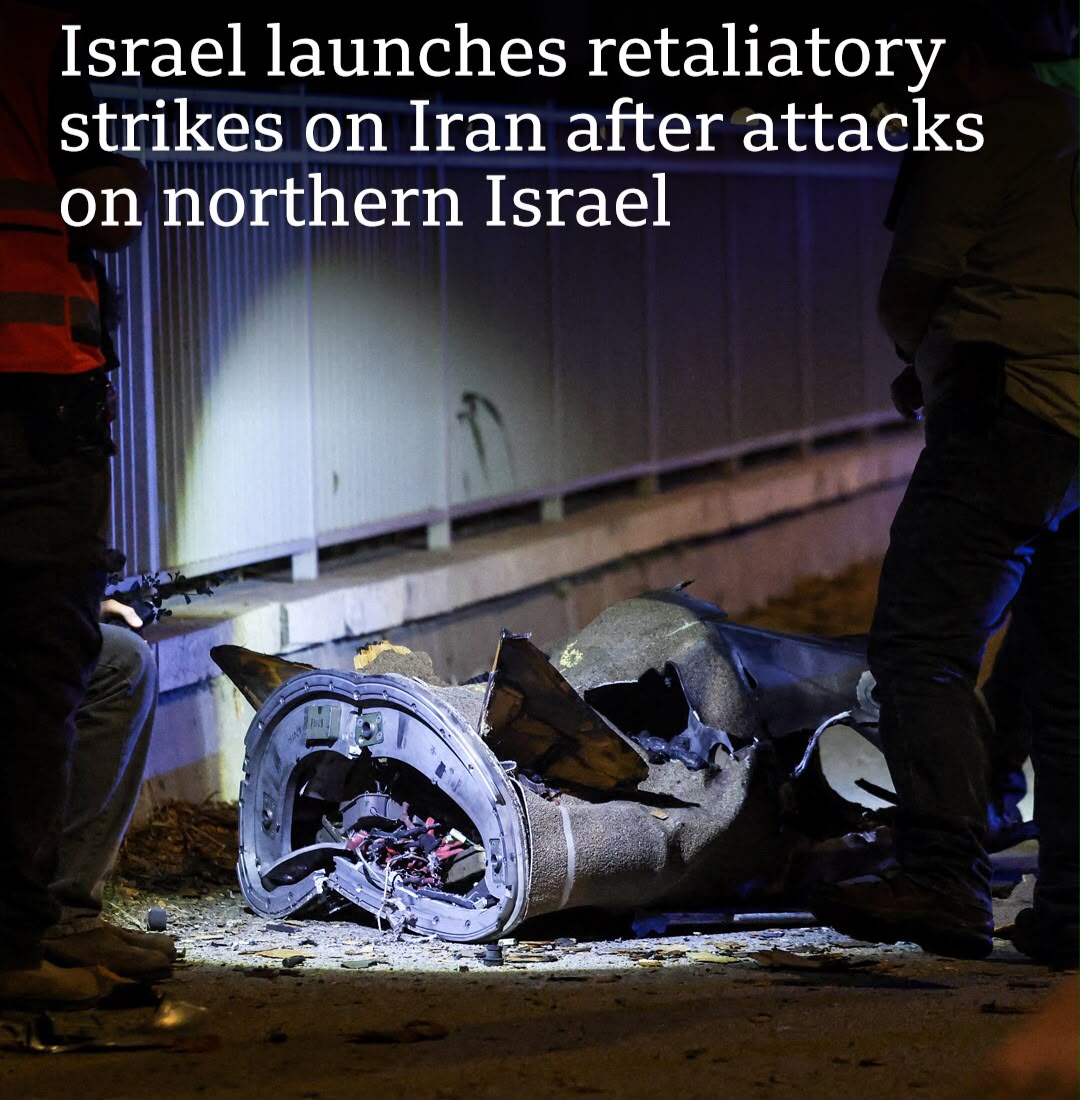
Israel said it carried out airstrikes against military targets in western and central Iran after intercepting missiles launched by Tehran, in what officials described as retaliation for the first direct Iranian attack on Israel since a ceasefire was reached in April. Explosions were reported in several Iranian cities, including the capital, Tehran. The Israeli military said its operation targeted missile-launch infrastructure and other military facilities linked to Iran’s recent missile barrage. According to Israeli officials, the strikes were aimed at degrading Iran’s ability to conduct further attacks against Israeli territory. Earlier, Iran launched a series of ballistic missiles toward Israel following an Israeli strike in Lebanon. Israeli air-defense systems intercepted the incoming missiles, and authorities reported limited damage from the attack. Iranian media and eyewitnesses reported explosions in Tehran and other cities, including Isfahan, Tabriz and Kermanshah. Iranian officials said air defense systems were activated in several areas following the Israeli strikes.
The exchange represents one of the most serious escalations between the two countries since the April ceasefire, raising concerns about the possibility of a broader regional conflict. Diplomatic efforts have been underway in recent weeks to prevent renewed hostilities, but the latest attacks have cast doubt on the durability of those efforts.The United States said it was not involved in Israel’s latest operation. However, Washington and other international actors have urged restraint amid fears that continued military exchanges could destabilize the wider Middle East and threaten key energy and shipping routes. The latest violence has also heightened concerns in global energy markets. Analysts warned that any prolonged confrontation between Israel and Iran could affect oil supplies and maritime traffic, particularly around strategic waterways in the region. Meanwhile, regional armed groups aligned with Iran have signaled support for Tehran. Yemen’s Houthi movement announced additional measures against Israeli linked shipping, while tensions remained high along several fronts across the Middle East. International leaders have called for immediate de-escalation, warning that further retaliatory actions could trigger a wider conflict involving multiple countries and armed groups across the region. Diplomatic contacts among regional and global powers were continuing as officials sought to prevent another major escalation. Israel and Iran have exchanged direct attacks on several occasions since 2024 amid wider regional tensions involving Lebanon, Gaza, Syria and Yemen. The current confrontation follows months of instability despite efforts by international mediators to maintain a ceasefire and prevent a broader war.