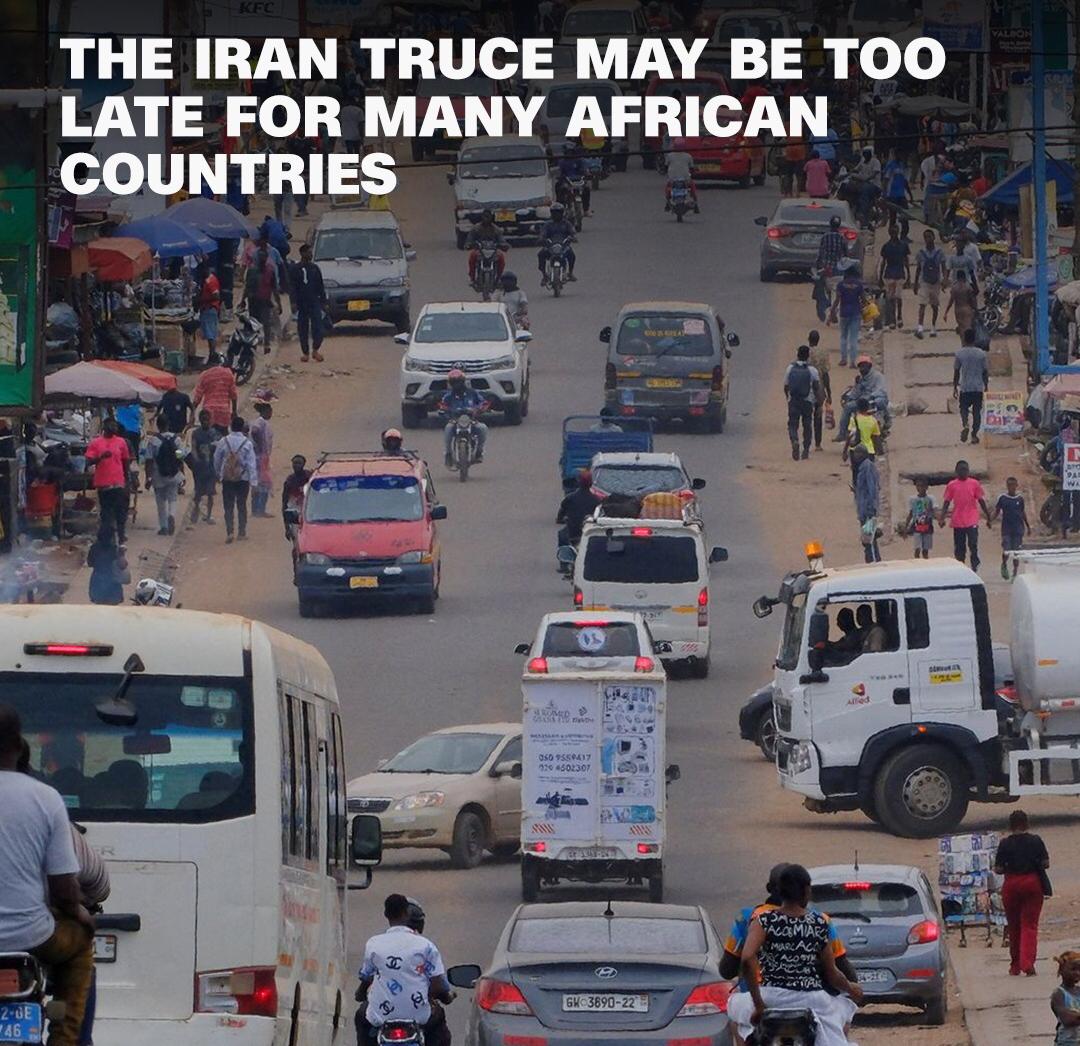
Iran War Drives Living Costs Higher, Malawian Farmer Warns Of Looming Crop Crisis
Iran War Drives Living Costs Higher, Malawian Farmer Warns of Looming Crop Crisis A smallholder farmer in northern Malawi has sounded the alarm over a potential food crisis as the economic shockwaves from the Iran conflict continue to ripple across vulnerable nations. Suteny Williams Nsamba, who cultivates maize, groundnuts and tobacco, says rising global prices linked to the war have made essential farming inputs increasingly unaffordable, threatening agricultural production ahead of the next planting season. According to a report, Nsamba is struggling to purchase fertilizer after living costs surged following disruptions to global shipping and energy supplies triggered by the conflict involving Iran. The farmer warned that if shipping disruptions persist into Malawi’s main crop-growing season in November, the country could face a “devastating low yield,” raising fears of worsening food insecurity. Global supply chains have been severely affected as tensions in the Middle East disrupted oil routes and fertilizer exports. Much of the world’s fertilizer supply passes through critical shipping lanes in the Gulf region, making agricultural economies especially vulnerable. Experts note that higher fuel prices increase transportation costs, fertilizer production expenses, and food prices worldwide impacts felt most strongly in import-dependent countries like Malawi.
The ongoing crisis has contributed to rising inflation across developing economies, where farmers rely heavily on imported agricultural inputs. Increased shipping costs and delayed deliveries have pushed fertilizer prices beyond the reach of many small-scale growers. Agriculture remains the backbone of Malawi’s rural economy, meaning reduced harvests could quickly translate into higher food prices, lower household incomes, and greater hunger risks. Analysts warn that continued instability could disrupt planting schedules, reduce crop output, and intensify global food shortages into the next year. Farmers like Nsamba represent millions worldwide facing similar pressures as geopolitical tensions reshape food systems far beyond the battlefield. As governments and aid organizations monitor the situation, experts stress that stabilizing supply chains and ensuring fertilizer access will be critical to preventing a broader agricultural crisis.