IRAN AGREES TO OPEN STRAIT OF HORMUZ FOR TWO WEEKS AFTER TRUMP ANNOUNCES CEASEFIRE CONDITIONS
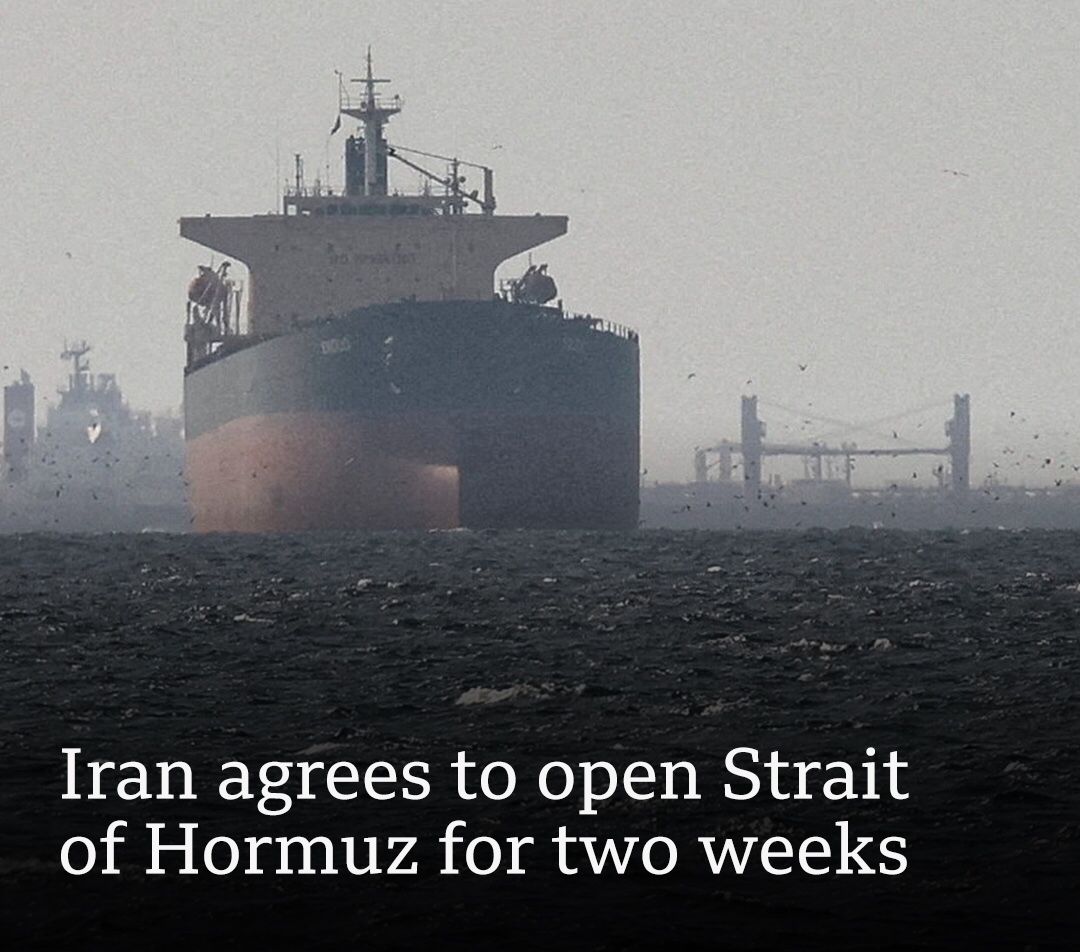
IRAN AGREES TO OPEN STRAIT OF HORMUZ FOR TWO WEEKS AFTER TRUMP ANNOUNCES CEASEFIRE CONDITIONS Iran has agreed to reopen the strategically vital Strait of Hormuz for a two week period following conditions set by United States President Donald Trump aimed at halting escalating military tensions between Washington and Tehran. The decision came after Trump announced a temporary suspension of planned military strikes against Iran, offering what he described as a “double-sided ceasefire” contingent on Iran allowing safe and immediate maritime passage through the narrow waterway, a critical route for global oil shipments. According to international reports, Trump agreed to pause bombing operations for 14 days after diplomatic interventions led by Pakistan’s Prime Minister Shehbaz Sharif and military leadership, who urged de-escalation between both countries. Iranian officials confirmed that the country would reopen the Strait of Hormuz provided attacks against Iranian targets were halted during the agreed ceasefire window. The waterway handles roughly one-fifth of global oil trade, making its closure a major threat to international energy markets.
Before announcing the truce, Trump had issued a dramatic ultimatum warning that “a whole civilisation will die tonight” if Iran failed to comply with demands tied to reopening the strait and entering negotiations. Hours before the deadline expired, the U.S. president confirmed that military operations would be suspended while diplomatic discussions continued, describing Iran’s proposed 10-point peace framework as a workable starting point for negotiations toward a long-term agreement.
The reopening of the Strait of Hormuz immediately eased fears of supply disruptions in global energy markets. Oil prices fell sharply and financial markets responded positively after concerns that prolonged closure could trigger severe economic consequences worldwide. Despite the temporary ceasefire, officials cautioned that the agreement remains fragile. Talks between U.S. and Iranian representatives are expected to continue during the two-week period, with international mediators seeking a permanent resolution to the conflict. World leaders have welcomed the move as a critical step toward preventing further military escalation in the Middle East, though analysts warn that failure to reach a lasting settlement could quickly reignite tensions once the ceasefire expires.