Investigation Exposes Dangerous Advice From SelfStyled Infant Sleep Experts
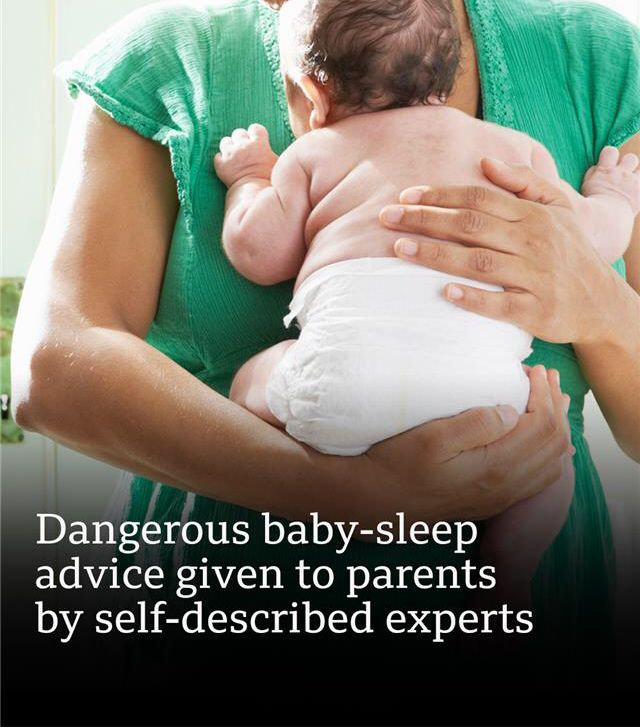
Investigation Exposes Dangerous Advice From Self-Styled Infant Sleep Experts A undercover investigation has revealed that some self-described infant sleep experts are providing guidance that could put babies at risk of serious harm and even death. The investigation found that several individuals offering paid sleep training services online lacked recognised medical qualifications but were still giving authoritative advice to new parents struggling with infant sleep routines.Secret filming conducted by the showed experts recommending practices that contradict established safe sleep guidance issued by paediatric and health authorities. According to the investigation, some consultants advised parents to adopt sleep techniques that specialists warn could increase the risk of Sudden Infant Death Syndrome (SIDS). In certain cases, parents were encouraged to place babies in potentially dangerous sleeping positions or environments, despite long-standing safety recommendations stressing that infants should sleep on their backs, in a clear cot, and in the same room as caregivers during early months. Medical professionals consulted during the investigation said such advice could have devastating consequences. Experts warned that misinformation presented as professional guidance can be especially harmful because exhausted parents are often desperate for solutions to sleep deprivation The reported that many families paid hundreds of pounds for consultations, personalised sleep plans, and online coaching sessions. One parent interviewed said she became confused after receiving conflicting instructions that went against NHS recommendations. Health specialists noted that the booming online parenting-advice industry amplified by social media has allowed unregulated sleep consultants to build large followings without formal oversight. Child-health advocates are now calling for stricter regulation of infant sleep consultancy services. They argue that while sleep support can be valuable, advice relating to infant safety should only come from properly trained healthcare professionals. Campaigners also urged parents to verify credentials before following guidance and to rely on established medical organisations for safe-sleep recommendations.
Health authorities continue to recommend key safe-sleep practices, including.
- Placing babies on their backs to sleep
- Using a firm, flat sleep surface
- Keeping pillows, blankets, and toys out of cots
- Sharing a room with the baby but not the same bed during early infancy Experts emphasised that evidence-based guidance remains the safest approach for reducing infant sleep-related deaths. The investigation highlights broader concerns about misinformation spreading through social media and commercial parenting platforms, where professional titles are often unregulated. Doctors warned that well-meaning but inaccurate advice can quickly circulate online, giving parents a false sense of security. Authorities say increased awareness and clearer regulation may be necessary to prevent unsafe practices from endangering vulnerable infants.