INQUIRY FINDS DEATHS IN 2021 CHANNEL MIGRANT BOAT TRAGEDY WERE ‘AVOIDABLE’
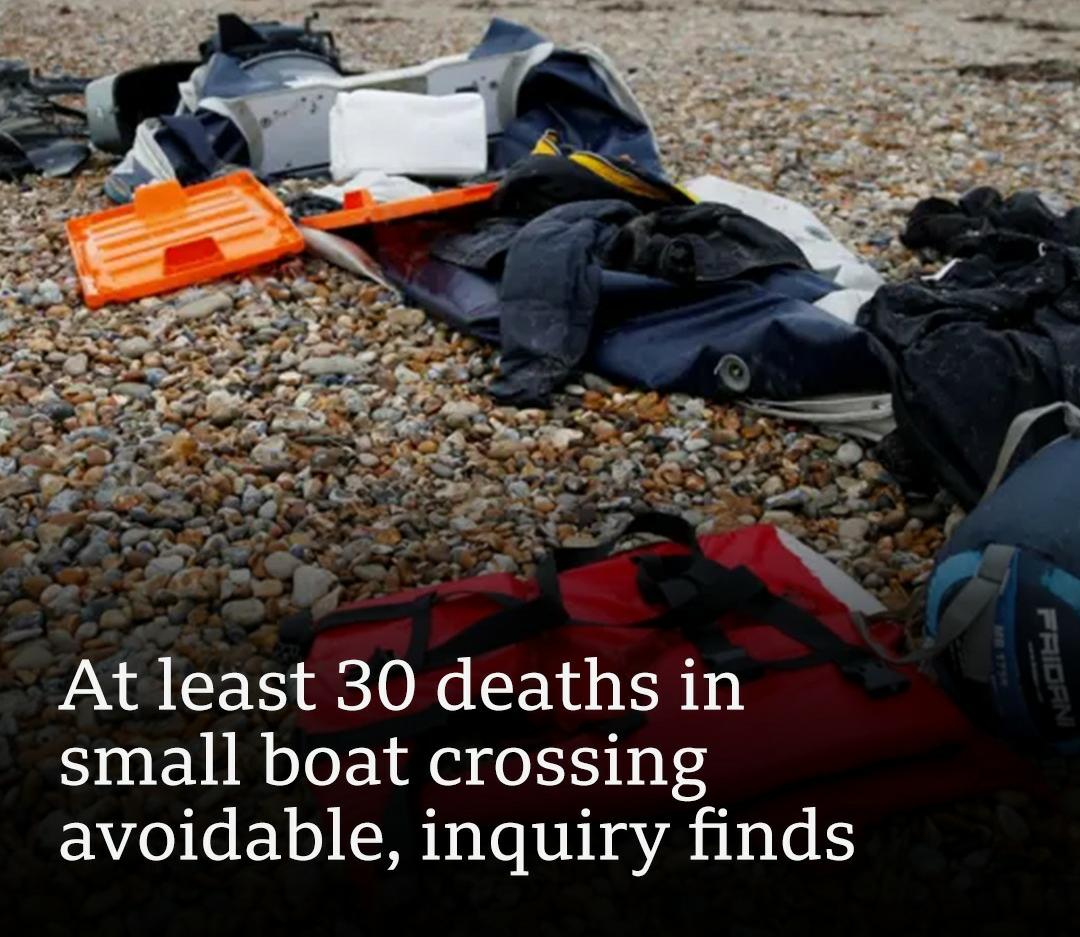
INQUIRY FINDS DEATHS IN 2021 CHANNEL MIGRANT BOAT TRAGEDY WERE ‘AVOIDABLE’ An independent UK inquiry into the deadliest small boat disaster in the English Channel has concluded that the loss of life in the 24 November 2021 tragedy was avoidable, and that systemic failures by authorities worsened the outcome. At least 27 people men, women and children were confirmed dead and four remain missing after the overloaded dinghy capsized en route from France to the UK. Only two passengers survived.
The Cranston Inquiry, chaired by former High Court judge Sir Ross Cranston, examined the events of that night and the response by maritime and rescue authorities ultimately highlighting mistakes, missed opportunities and structural problems in the handling of the emergency. In the early hours of 24 November 2021, a crowded inflatable boat carrying migrants set off from the French coast toward the UK. Shortly after midnight, the vessel became swamped and capsized in one of the world’s busiest shipping lanes the English Channel as it struggled in rough conditions.
Distress calls were made to authorities, including a Mayday relay, but the nearest ship a French naval vessel did not respond to the call despite being close by. Meanwhile, the UK’s HM Coastguard’s search and rescue response was hampered by chronic staff shortages, communication problems and flawed decisions, the inquiry found.
Sir Ross concluded that some of the deaths could have been prevented if the response had been more effective particularly if the search and rescue effort had continued into daylight hours when visibility improved and survivors may have been found more readily.
Experts instructed by the inquiry, including cold water immersion specialists, believe that many of those aboard may have survived for hours after the boat capsized, with some even alive into the morning before rescue efforts reached them.
The report outlined several key issues that contributed to the tragedy: Unsafe, overcrowded vessel with inadequate safety gear, supplied by people smugglers. A French Navy ship failed to respond to the Mayday relay, a decision now subject to separate investigation. HM Coastguard’s response was undermined by chronic staff shortages, poor communication and assumptions that small‑boat distress calls were exaggerated.
The search was prematurely suspended based on mistaken beliefs that the incident had been resolved, delaying efforts that might have saved lives. The inquiry report confirmed the identities of most of the 27 recovered victims and identified that there were at least 33 people aboard the boat. Evidence from one of the two survivors indicated there may have been more.
Sir Ross issued 18 recommendations aimed at improving UK maritime search and rescue capacity, communication protocols, staffing levels and joint operations with France to prevent similar tragedies in the future. The inquiry stressed that the practice of small boat crossings must end not only because of the dangers posed by unseaworthy craft but also because lives continue to be put at risk each year by hazardous Channel crossings.
A UK government spokesperson acknowledged improvements since 2021, including closer cooperation with French authorities and increased rescue capacity, but advocacy groups used the findings to reiterate calls for safe, legal routes for asylum seekers.
This 2021 Channel tragedy the deadliest migrant boat disaster recorded in the busiest seaway between the UK and continental Europe underscored the profound risks faced by people seeking refuge or better lives. The inquiry’s conclusion that the loss of life was avoidable raises deep questions about preparedness, coordination and humanitarian response in European waters.