How Superyacht Sailed Through Strait Of Hormuz Despite Blockade
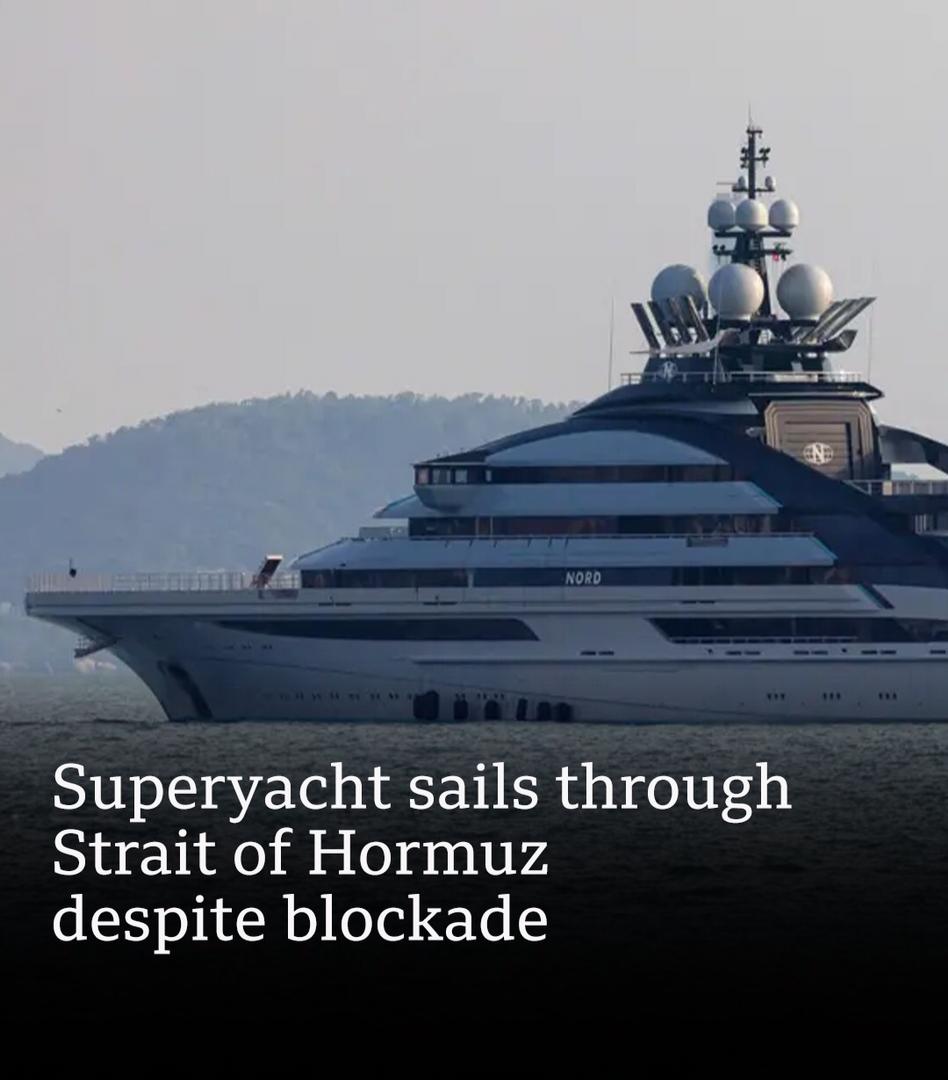
How Superyacht Sailed Through Strait Of Hormuz Despite Blockade
A luxury superyacht has successfully navigated the highly volatile Strait of Hormuz, raising questions about how vessels are still managing to pass through one of the world’s most sensitive maritime chokepoints amid escalating military tensions and shipping restrictions The Strait of Hormuz a narrow passage linking the Persian Gulf to global shipping lanes has become a flashpoint following military confrontations involving Iran and Western allies. Authorities and naval forces have imposed strict monitoring measures, while warnings and unofficial restrictions have discouraged commercial vessels from entering the region.
Insurance premiums for ships have surged dramatically, and many oil tankers have avoided the route altogether due to fears of interception, attacks, or seizure. Global energy markets have also felt the impact, with disruptions affecting oil supply chains worldwide.
Despite the heightened security environment, maritime experts say the blockade is not a complete physical closure of the waterway
Analysts highlight several reasons why a privately owned superyacht could still sail through:
- International Maritime Law The Strait of Hormuz remains an international transit corridor. Under global navigation rules, vessels technically retain the right to “innocent passage” even during geopolitical crises.
- Selective Enforcement Military forces typically focus enforcement efforts on ships suspected of carrying sanctioned cargo or linked to rival governments rather than private leisure vessels.
- Risk Assessment By Operators Some shipowners continue voyages after conducting security risk evaluations, hiring private maritime security teams, or coordinating closely with naval authorities.
- Traffic Still Occurring Reports indicate that a limited number of vessels including tankers and private ships have continued to transit the waterway despite warnings. The yacht’s successful journey highlights how enforcement measures differ from a total shutdown. While tensions have reduced overall traffic, the strait remains partially functional because a complete closure would severely disrupt global oil supplies and international trade. Experts warn, however, that voyages through the area remain extremely risky. Ships face threats ranging from drone surveillance and naval interception to potential escalation between regional powers. Images and tracking data showing the superyacht’s transit quickly spread online, sparking debate among maritime observers about loopholes in the blockade and the continued vulnerability of one of the world’s most strategic energy routes. As geopolitical tensions persist, shipping companies, insurers, and governments are closely monitoring developments, knowing that any major incident in the Strait of Hormuz could have immediate consequences for global energy prices and international commerce.