How Content Creator Killer Stephen McCullagh Used A YouTube Alibi In Murder Plot
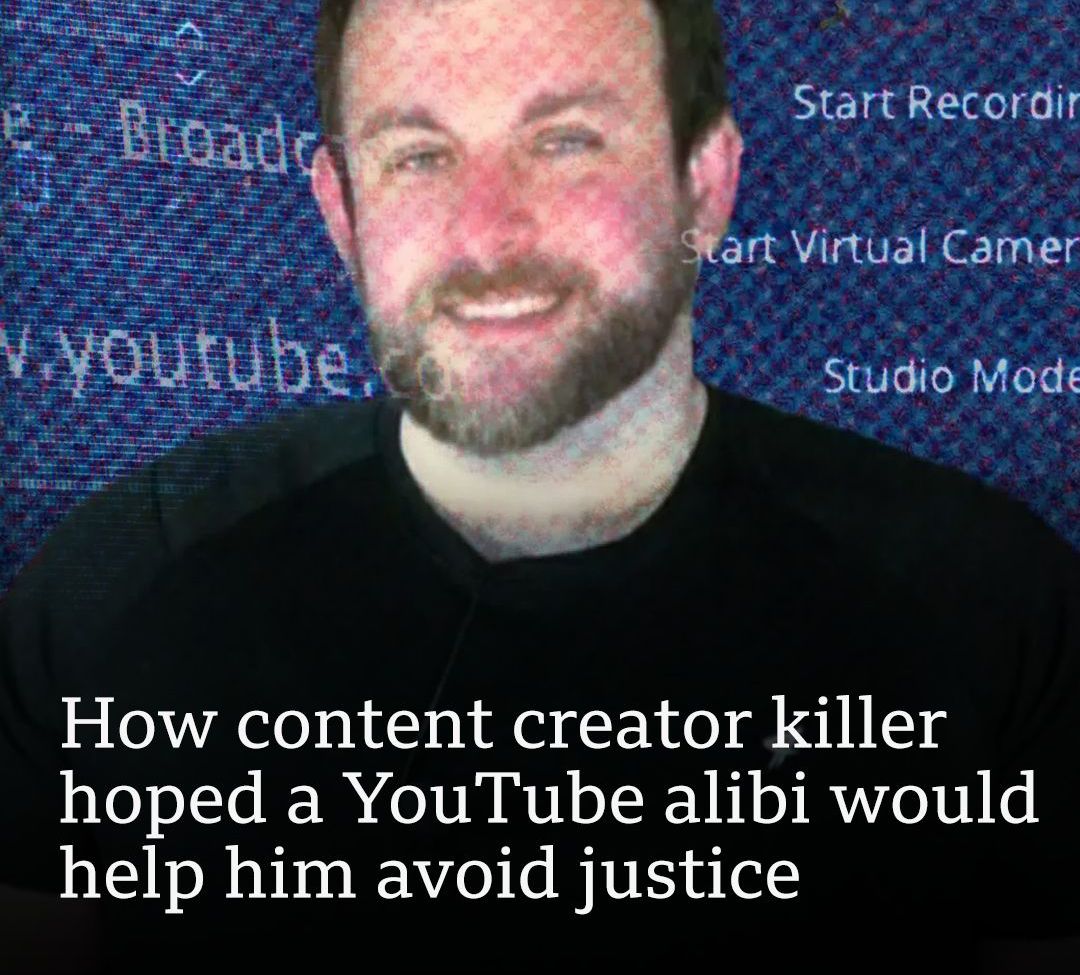
How content creator killer Stephen McCullagh used a YouTube alibi in murder plot A content creator who murdered his pregnant girlfriend tried to avoid detection by creating a fake YouTube livestream to make it appear he was at home during the killing. Stephen McCullagh, a YouTuber from Northern Ireland, was found guilty of murdering 32-year-old Natalie McNally at her home in Lurgan in December 2022. Prosecutors said McCullagh carefully planned the killing and attempted to cover his tracks using a staged online broadcast. He pre-recorded a six-hour video of himself playing video games and later streamed it on YouTube as if it were live on the night of the murder.During the broadcast, he appeared to be drinking and interacting as though in real time, giving the impression he had remained at home throughout the evening.However, investigators later discovered the video had been recorded days earlier and was deliberately used to construct a false alibi. While the pre-recorded video was playing, prosecutors said McCullagh travelled roughly 17 miles to McNally’s home, where she was attacked and killed between about 20:50 and 21:30. Ms McNally, who was 15 weeks pregnant, suffered a violent assault before her death. after the killing, McCullagh returned home, believing his digital alibi would protect him from suspicion. Initially, the apparent livestream helped McCullagh avoid immediate suspicion, and he was even treated as a grieving partner. But police cybercrime experts later analysed the footage and found inconsistencies showing it was not broadcast live.
Further evidence, including CCTV, phone data and witness testimony, linked him to the scene. The court heard McCullagh attended Ms McNally’s wake and continued to present himself as a devastated partner. Prosecutors described his actions as calculated and deceptive, saying he had constructed the alibi to mislead both investigators and the public.
After a five-week trial at Belfast Crown Court, a jury found McCullagh guilty of murder in March 2026 following just a few hours of deliberation. He now faces a mandatory life sentence, with a later hearing set to determine the minimum time he must serve. The case has drawn widespread attention due to the unusual use of digital technology in an attempt to evade justice.
Prosecutors said the killing was “planned, calculated and premeditated”, with the fake livestream forming a central part of the cover-up. It has also highlighted how online activity and forensic digital analysis are increasingly central to modern criminal investigations.