Historic Oil Shock And Surging Fuel Prices Strengthen Case For Electric Vehicles As China’s EV Makers Gear Up
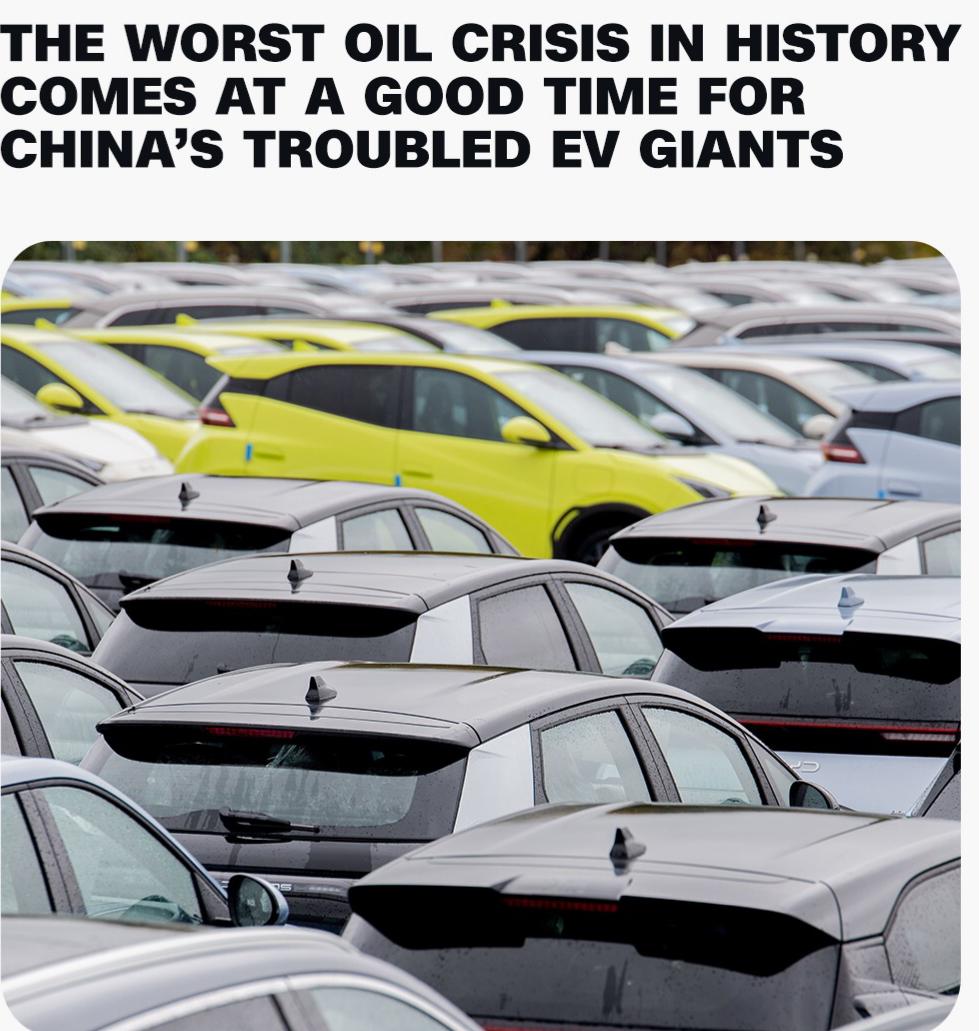
Historic oil shock and surging fuel prices strengthen case for electric vehicles as China’s EV makers gear up A historic oil shock and sharply rising fuel prices are intensifying the global push toward electric vehicles (EVs), and China’s EV manufacturers are positioning themselves to capitalise on the accelerating shift, industry analysts say The spike in crude oil prices partly driven by geopolitical tensions in the Middle East and disruptions to key export routes such as the Strait of Hormuz has made traditional petrol and diesel increasingly costly for consumers and businesses worldwide. This, experts contend, is making EVs a more economically compelling alternative and could stimulate a broader transition away from fossil‑fuel‑dependent transport.
Rising fuel prices have reminded consumers and policymakers alike of the vulnerability of global oil markets to geopolitical events. Analysts say repeated price shocks particularly when oil climbs above $100 per barrel highlight the economic risk of relying on combustion‑engine vehicles, prompting many drivers to consider EVs as a hedge against volatility.
Critics of continued dependence on oil suggest that, just as past energy crises eventually reshaped industry trends, the current turmoil may serve as a catalyst for long‑term electrification of transport a theme echoed by energy and clean‑air think tanks comparing the current climate to the push for renewables seen in Europe after the Russia‑Ukraine conflict.
China already the world’s largest EV producer and consumer market is expected to be a principal beneficiary of the shift. Chinese EV makers, which dominate global production and export markets, are seen as well‑positioned to absorb increased demand both domestically and in Asia and other emerging regions where fuel costs are biting hardest.
With more than half of new car sales in China now electric vehicles a trend reflecting years of government support, massive manufacturing scale and technological investment Chinese brands have a strong base from which to expand abroad and meet rising demand for cost‑competitive EV models.
Industry consultants say that as gasoline becomes costlier, especially in markets where fuel affordability impacts consumer budgets most, Chinese EVs which tend to be priced more attractively than many Western alternatives could gain significant market share internationally. Despite the promising backdrop, China’s EV sector still faces hurdles. Domestic overcapacity and fierce competition mean that manufacturers must look beyond domestic sales to maintain growth, pushing them to target markets in Southeast Asia, Europe, Latin America and Africa where affordability and demand for electric mobility are rising.Additionally, policy barriers such as high tariffs in North America and mixed regulatory environments in parts of Europe complicate direct expansion, even as some Chinese makers pursue local partnerships and assembly operations abroad to ease market entry. The energy shock arrives at a moment when global attitudes toward vehicle energy sources are shifting. In markets like Europe and the U.S., interest in EVs is rising alongside fuel costs, although inconsistent policy incentives and infrastructure gaps remain constraints. As global carmakers recalibrate strategies, analysts say electrification is not just a short‑term reaction to high oil prices but could become a structural pivot for the industry. China’s expanding role in EV manufacturing combined with surging fuel costs and increased consumer interest in electric alternatives may accelerate the global transition to sustainable transport, with implications for oil demand, automotive supply chains and future mobility trends.