Head Teacher Pays Tribute To ‘Genuinely Caring’ Teenage Girl Who Died After Contracting Meningitis
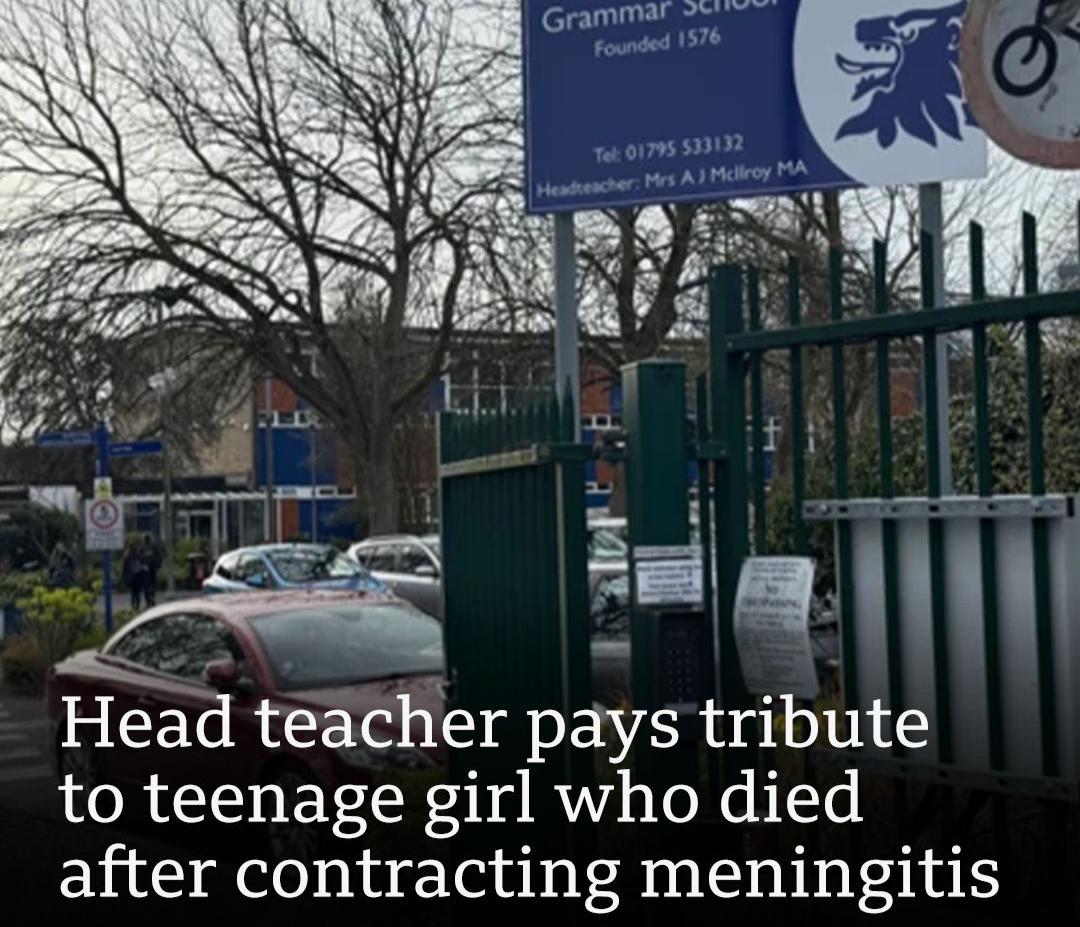
A head teacher has paid an emotional tribute to a “genuinely caring” teenage girl who died after contracting meningitis amid a serious outbreak affecting young people in Kent, health and education officials confirmed. The Year 13 student, identified only as Juliette, was a pupil at Queen Elizabeth’s Grammar School in Faversham, Kent. She was among two people reported to have died in the wave of infections that has also left 11 others seriously ill in hospital, including students and young adults from the Canterbury area. In a statement to parents and the school community, Amelia McIlroy, head teacher at Queen Elizabeth’s Grammar School, described Juliette as an “incredibly kind, thoughtful and intelligent” young person who had been part of the school for seven years. School officials said they are offering support and counselling to students and staff affected by the news, and have encouraged families to monitor health and wellbeing during this difficult time. The outbreak, centred in and around Canterbury, was first reported on 15 March 2026, when authorities confirmed two deaths from invasive meningococcal disease a severe form of meningitis combined with septicaemia. Public health officials from the UK Health Security Agency (UKHSA) are coordinating a response that includes contacting close contacts, arranging prophylactic antibiotics, and issuing health guidance to more than 30,000 students, staff and families linked to the outbreak. At the University of Kent, where one of the deceased was a student, hundreds of people queued to receive antibiotics at clinics set up on campus, with some describing scenes as reminiscent of earlier pandemic‑era precautions. Meningococcal disease can progress rapidly and may be mistaken for flu or other common illnesses. Symptoms often include fever, severe headache, vomiting, rash and sensitivity to light. Public health experts stress the importance of immediate medical care if these signs appear.
Health authorities are urging young people especially those in communal settings such as universities and schools to remain vigilant and seek help if they feel unwell. Vaccination remains an important tool for preventing some forms of meningitis, though coverage varies by age group and strain
Invasive meningococcal disease, the form involved in this outbreak, is caused by Neisseria meningitidis bacteria. It can lead to meningitis and septicaemia, both of which are life‑threatening without rapid treatment.